 Your Browser is Outdated


When it comes to body armor, there are tons of different types to choose from. Whether you’re a civilian looking for a little extra protection, a police officer who wants to upgrade their duty gear, or anyone else that desires more personal protection, picking the right body armor is crucial. There are countless brands that produce bulletproof vests, ballistic plates, tactical helmets, and more, and selecting the right gear goes even further than picking out what types you want. In fact, one of the more confusing things about body armor that can trip up buyers is the difference between “levels” of protection offered by body armor. These levels are determined by the National Institute of Justice (NIJ), and they refer to the strength of the bullet that a specific piece of body armor can block, ranging from Level 2 to Level 4 (these levels are often represented with Roman Numerals, such as Level II, Level III, and Level IV.) If you’re looking to purchase some bulletproof tactical gear, here is everything you need to know about the different levels to ensure you get the right armor for your needs.
Level 2 Body Armor
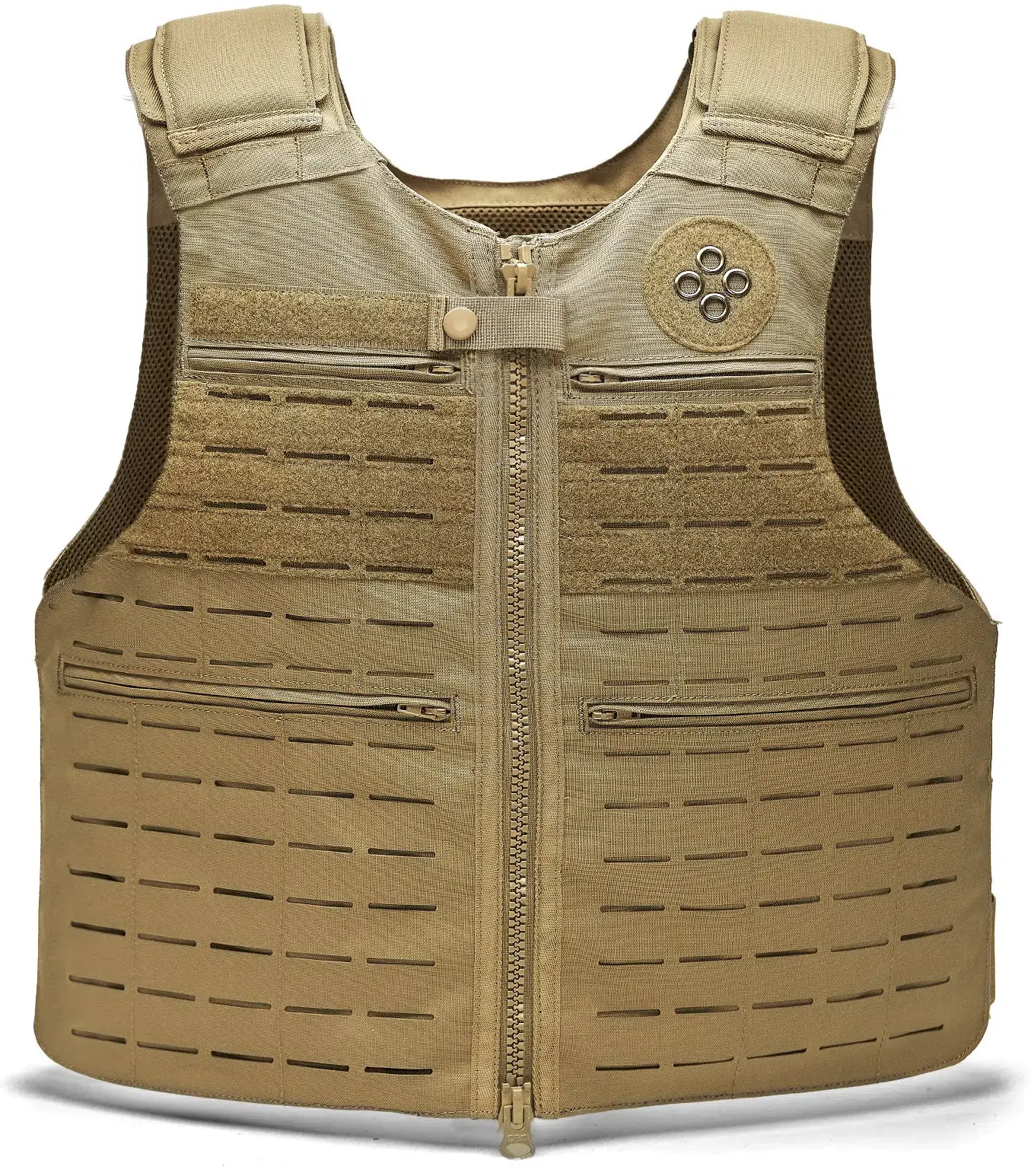 The most basic level of body armor is Level 2, and while it is the “weakest” level of protection, that doesn’t mean it is actually weak. There are two different types of Level 2 body armor: Level 2 and Level 2A, with 2A being slightly weaker. However, all Level 2 armor is rated for protection against common handgun rounds, which is why it is still very popular, especially amongst law enforcement. Generally, Level 2 body armor is known as soft body armor, which means it is a lightweight, flexible type of armor that is usually made of tightly woven synthetic fibers, such as Kevlar. By utilizing soft materials to make up the armor, the person wearing it can move and react to their surroundings easily without using too much stamina or experiencing major issues. However, the drawback to being lightweight and flexible is that Level 2 and Level 2A body armor cannot protect from rifle-caliber threats. Additionally, soft body armor is compromised after it has stopped a bullet, which means you have to replace it after it is struck.
- Level 2A Body Armor: This type of body armor is rated for standard pistol rounds up to and including 9mm and .40 S&W rounds. It is an excellent choice for daily wear for civilians, as it is extremely unlikely that most people will encounter threats of this level or greater in their normal lives.
- Level 2 Body Armor: While similar to level 2A, this level is rated for stronger pistol calibers. Specifically, it is rated to stop overpressured 9mm ammo as well as .357 Magnum Ammo. This is the minimum level recommended for police officers, as they are more likely to experience greater threats.
Level 3 Body Armor
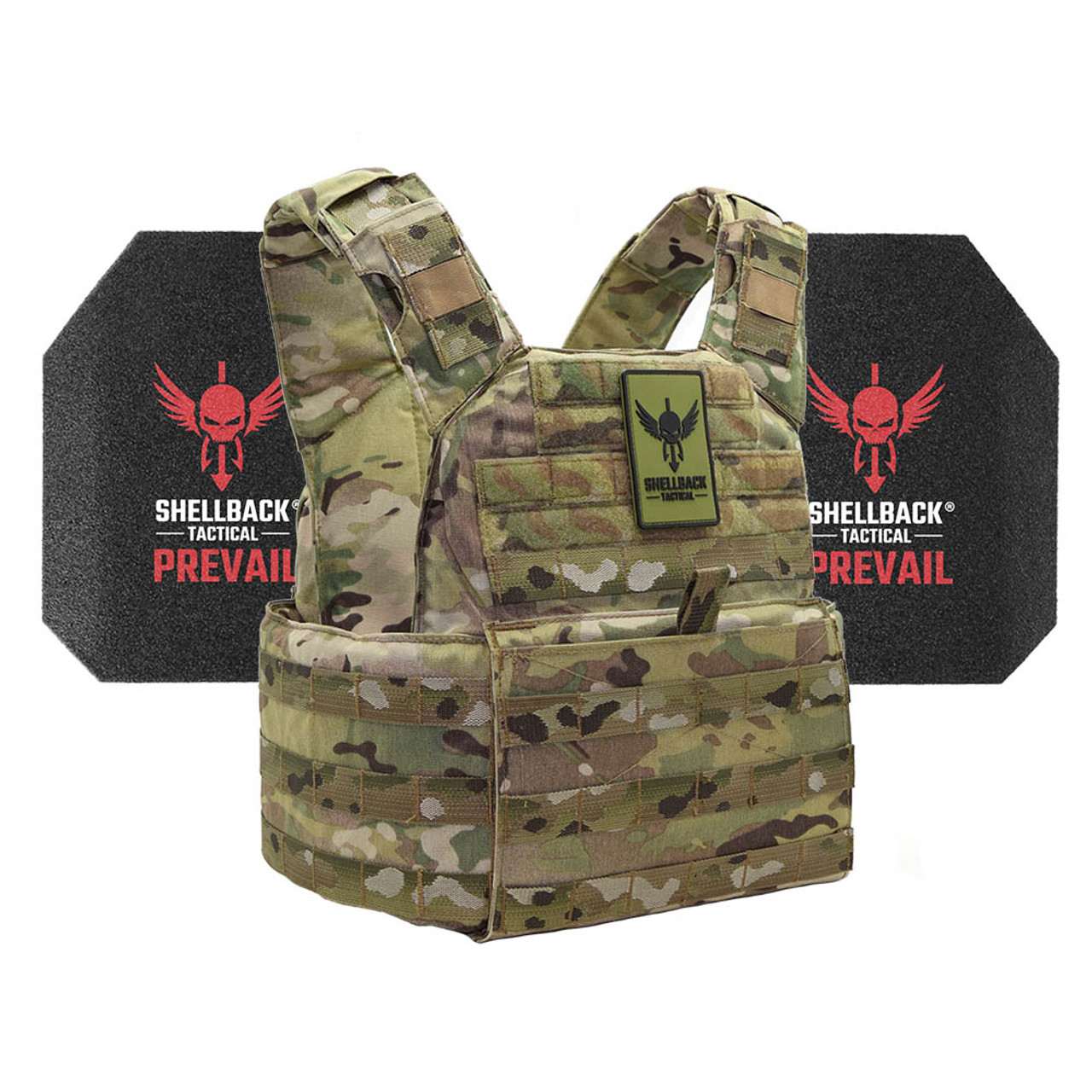 Like Level 2 armor, Level 3 is also broken up to include a minor level, known as Level 3A, with a much greater difference between the minor level and the main one. For example, Level 3A body armor is usually still soft armor, and it is most suited for protecting someone from large-caliber pistol rounds. Once you get to the true Level 3 armor, this is where it transitions from soft armor to hard armor. This means that while you can find a bulletproof vest that contains everything you need for Level 3A protection, upgrading to true Level 3 protection is much more involved. However, since you have to make larger upgrades, there are a lot more choices to be made regarding function, material, aesthetics, and more. This is because most people opt for ballistic plates when shopping for Level 3 armor, so you can fully customize how you want to use and present your body armor.
To break it down, if you plan to use ballistic plates, the first thing you’ll need is a reliable plate carrier. These tactical chest rigs are designed to hold ballistic plates in specific positions. For example, some only hold front and back plates to protect your abdomen, while others include pouches for multiple front, back, and side plates. Some of our most popular are Shellback Tactical Plate Carriers and Ace Link Armor Plate Carriers, with each brand offering a wide range of styles, colors, and materials to choose from. For more info about plate carriers, check out our How to Choose a Plate Carrier guide. Once you select the right carrier, your next step is selecting the right plates, which can be pretty involved. From choosing between ceramic and steel plates to the right style and shape, there are lots of decisions. Generally, steel is much heavier but lasts longer, while ceramic is lighter and more durable initially, but is not effective once it has been damaged. We even have an entire guide about How to Select Armor Plates to help guide you here!
- Level 3A Body Armor: Designed as the peak of soft body armor for help with most pistol calibers, this body armor can protect from most calibers up to and including a .44 Magnum round. For military members and police officers, even if Level 2 armor is allowed, this is generally the lowest level of protection they should use.
- Level 3 Body Armor: The first level that is designed with the capability of stopping rifle rounds, this armor is extremely durable. In fact, despite being in the same category as Level 3A, true Level 3 armor can block up to a 7.62x39mm FMJ rifle round. This means that you are protected from the most common rifle calibers available, such as .223 Remington and .308 Winchester.
Level 4 Body Armor
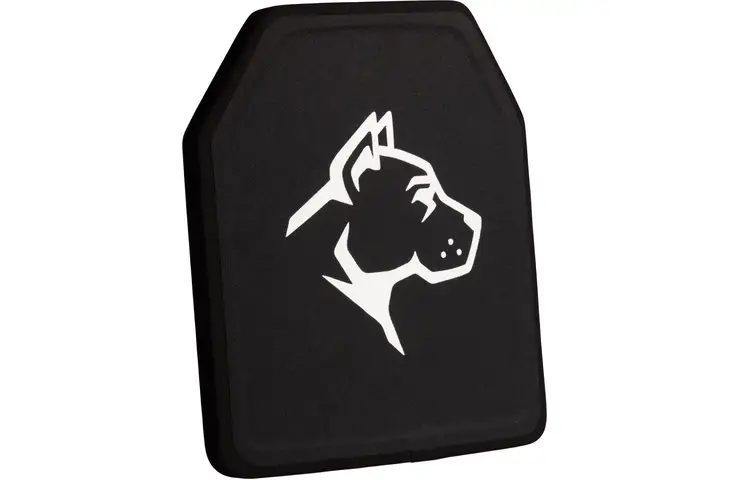 While much more rare than the other types of body armor and almost primarily used by the military and special forces, civilians can still buy Level 4 armor plates! This is the highest NIJ-certified body armor rating, and it provides impressive protection against a wide range of both common and uncommon threats. The materials used in Level 4 plates are designed to be extremely dense and durable, providing maximum protection. Since it is specifically for military use, it makes an excellent layer of protection for anyone who buys it. However, the downside to Level 4 armor is that it is much more expensive and can be much harder to use efficiently, since it’s usually bulky.
- Level 4 Body Armor: This level is capable of withstanding shots from .30 caliber steel-core armor-penetrating rifle ammo. While this can be a somewhat vague description, it means that most rifle rounds that start with a “3” or lower as the caliber are not effective. This includes both common calibers like 5.56 and 7.62, as well as even large hunting calibers like .30-06 and 300 Win Mag ammo.
Protect Yourself & Your Wallet By Shopping at OpticsPlanet!
Here at OpticsPlanet, our goal is to make sure you have everything you need for your next adventure, whether you need new gear or the information to use it properly! Check out our massive selection of military and tactical gear today to ensure you’re ready for anything. And if you’re looking to upgrade your own arsenal, we have a wide range of rifle scopes, weapon accessories, and more to choose from.


