 Your Browser is Outdated


With the weather turning cold, you might be wondering how you can still enjoy the great outdoors when many of your favorite activities are no longer viable. If you live in the northern part of the United States, the list of available hobbies shrinks even further with how brutal the winter can be, but there is still one classic activity that never goes out of style: ice fishing. While ice fishing is extremely popular in states like Minnesota and Wisconsin, it’s not limited to these areas. If you enjoy fishing and think that ice fishing might be a good way to stay active and have fun with your family and friends this winter, you’ll need some background info before heading out to the ice. Additionally, you’ll need some specialized ice fishing gear to get the most from your outing. Thankfully, this guide will cover all the ice fishing basics and give you some solid tips on the best gear for beginner ice fishers to buy so that you’re as prepared as possible when you head out.
What Is Ice Fishing?
 Simply put, ice fishing is just like regular fishing except you cut a hole in thick ice and set up around the hole to catch fish. You don’t need to worry about a boat or casting your line far from the shore, as you don’t really cast in a traditional sense. Instead, there are two main ways to go about ice fishing. First, you can use a specialized ice fishing rod, also known as a jigging rod, to entice fish with bait, similarly to traditional fishing. Where it differs is that the rod is designed for weighted lures, called jigs, that you move up and down in a jerky fashion to simulate live bait in the water. Since the fish are extra hungry in the winter due to the lack of bugs, the motion attracts them, and you can catch some fish if you’re lucky. This is what most people think of when considering ice fishing and is generally the best way to make an outing out of ice fishing, as you’re more actively involved in the process.
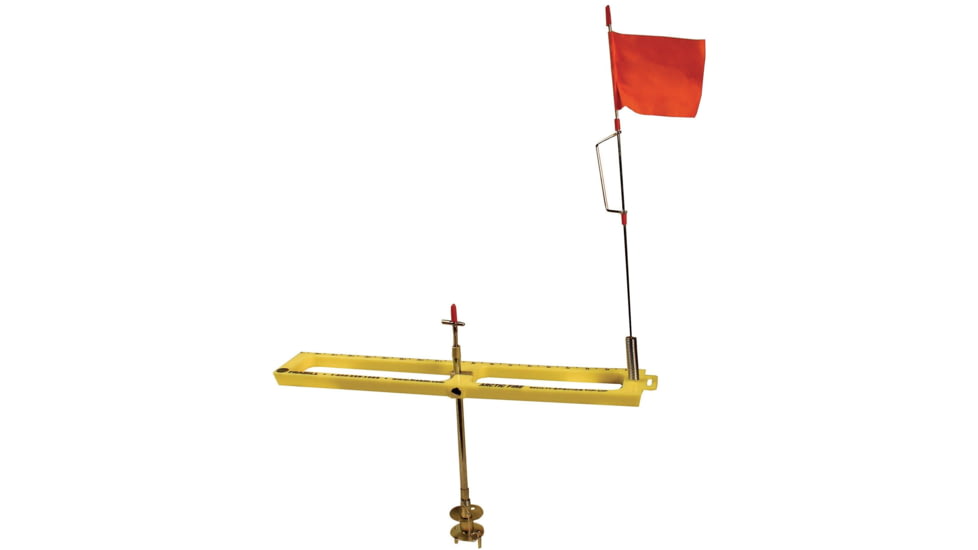
The second type of ice fishing involves setting up fish traps, which are known as tip-ups. The name comes from the fact that these small traps are placed on top of the hole in the ice with the lure and bait below the water line. There is also a spring-loaded flag beneath the water that is connected to the fishing line, and when a fish grabs the bait, the flag pops up above the water and signals to you that a fish is on the line. This is an excellent method if you have multiple ice fishing holes and want to catch as many as possible, such as if you’re planning on harvesting and eating the fish that you catch.
How Can You Start Ice Fishing Safely?
If you’re excited about a potential ice fishing trip after reading about the two styles of ice fishing, the next step is to learn more about what you need to do and own to make the trip both fun and successful. There are some unique dangers when it comes to ice fishing, so taking precautions is paramount to ensure your safety. For example, the first thing you should do is check the thickness of the ice. If you’re on a small pond or lake and only you are planning to head out on the ice, the thickness should be no less than 4 inches, and if you’re going in a small group of people, the ice should be at least 6 inches thick. For maximum safety, stick to 6 inches as a minimum guideline even if you’re by yourself, as this helps eliminate extra risk. Experienced ice fishers often have ATVs, snowmobiles, or even small campers out on the ice, and in these situations, the thickness should be 10+ inches, depending on the weight of the vehicle.
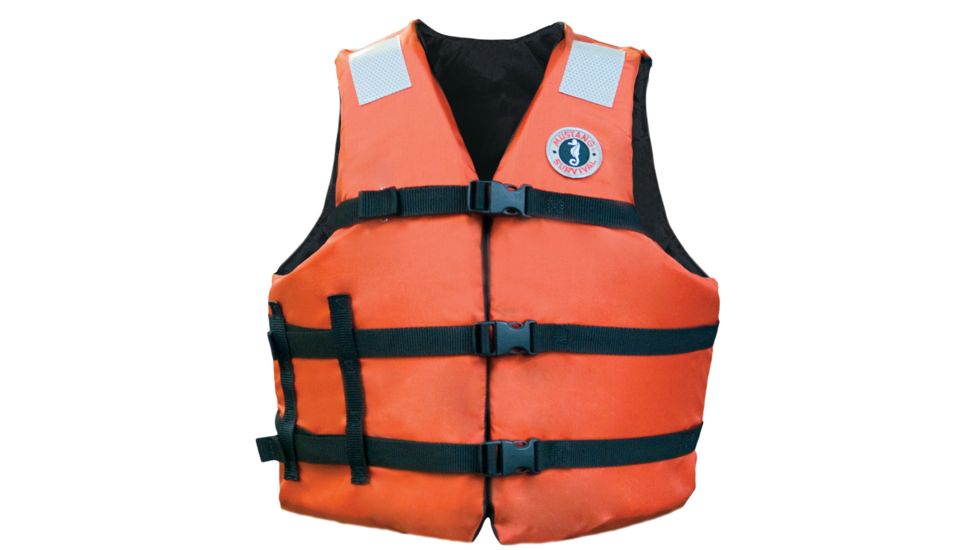 Another tip to keep in mind while you’re testing the ice and searching for a fishing spot is to head toward clear ice. Clear ice is much stronger than cloudy ice because the clarity comes from a uniform crystalline structure, which reduces the risk of cracks and fissures while you’re cutting out a hole. Additionally, always keep safety equipment on you while you’re walking on the ice, such as a personal flotation device, ice pick, and throw ropes. These items can save you if you fall into the water or be used by you to save someone else who has fallen in if you encounter an issue while out on the ice. Finally, you should dress appropriately for the weather. It goes without saying that it must be extremely cold for ice to get to the required thickness to support the weight of ice fishing, and if you’re planning on being outside for several hours, you need proper clothing. Layers are the most important aspect for trapping your body heat, so start with baselayers, then move on to thicker clothes, and cap it off with a reliable winter coat, boots, gloves, and a hat. We have an entire guide on How to Select Cold Weather Gear that goes into detail about the best options for all of your layers and how to combine them properly.
What Gear Do You Need for Ice Fishing?
Now that you know the basics of ice fishing and some preliminary safety information, it’s time to get into the fun stuff: specifically, the equipment you need to start ice fishing. As mentioned above, traditional fishing rods don’t work for ice fishing because they’re not designed for jigging, so you won’t have much success trying to cast like normal. However, this isn’t the only piece of gear you’ll need, so we put together a brief list of some of the most important items.
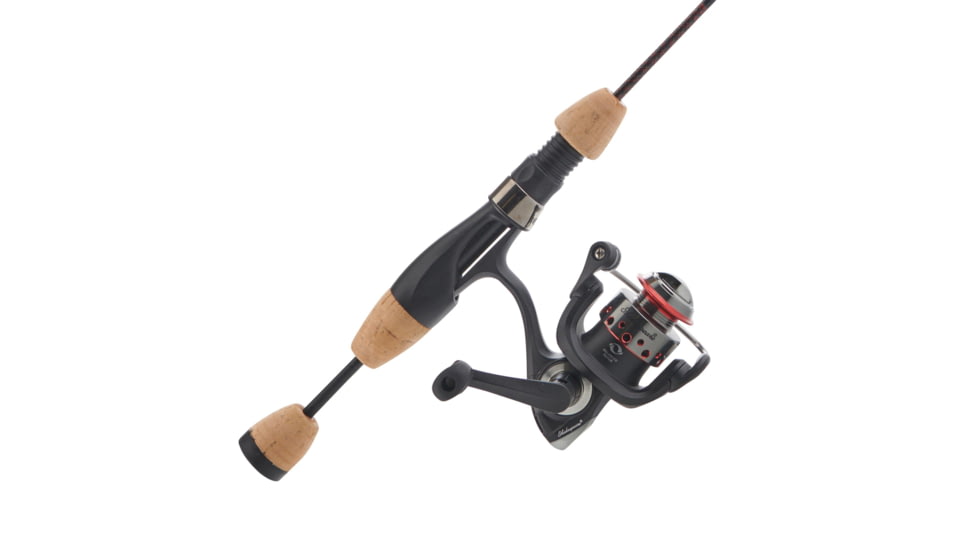 Ice Fishing Rod/Jigging Rod: Like all fishing gear, ice fishing rods run the gamut from extremely cheap to outrageously expensive, so selecting the right one can be difficult. For people who are new to ice fishing, we recommend picking up one of our inexpensive ice fishing rod and reel combos. These are designed to give you a great starting point to find out what you like and don’t like about a particular rod, giving you some clear guidelines in the future if you want to purchase a more expensive model. If you want to dive into the deep end and get your own rod and reel, check out our guide How to Buy the Best Fishing Reel For You for tons of info on all the different types and styles.
- Ice Auger: Just like a fishing rod, the other piece of required gear is an ice augur. These are available as both power tools and manually operated devices, and they cut a hole in the ice to give you a place to fish. If you already have an auger but need an ice bit for it, check out our ION Ice Fishing Gear for their steel auger bit that is perfect for your needs.
- Tip-Up Traps: If you’re planning to try your hand at trapping fish under the ice, you’ll need tip-ups to help you snag the fish and alert you when it’s on the line. Our most popular tip-up traps come from Frabill, with several varieties available depending on your needs.
- Safety Gear: As previously mentioned, getting the right safety gear is crucial before you even step foot on the ice. This point really can’t be stressed enough, as falling under the ice is extremely dangerous. In addition to a life jacket, you should also pack plenty of water and snacks to keep your body moving and energy high while you’re outside. If you’re going to be away from regular cell phone service, having a satellite communicator can let you stay in contact with your family or call for help if something happens. We recommend the Garmin inReach family of satellite communicators, as they’re packed with tons of extra features to help you get to and from your location safely.
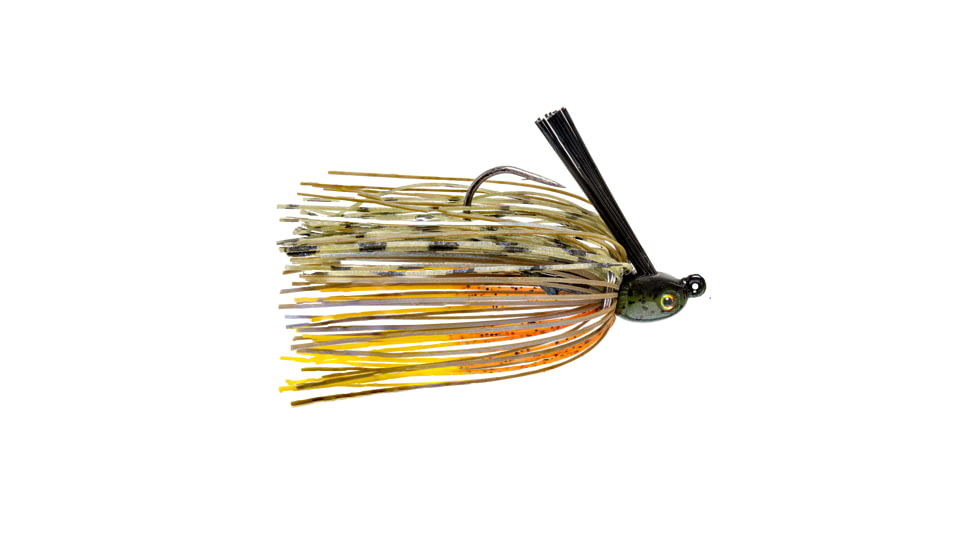 Ice Fishing Tackle: Just like how you need a specialized rod for proper ice fishing, you need unique baits, lures, jigs, and more. Most ice fishers opt for tungsten jigs because they’re much heavier than lead, allowing them to sink to the bottom quickly. You’ll also need jigging spoons that flutter near the bottom of the water to attract the fish, as well as glide baits that cover a wide area below the surface. Getting several types of lures lets you test different methods to see which one works for you.
- Portable Heat Source: One reason why ice fishing is so popular is because people often set up small shelters around their fishing hole and spend the day with friends and family while out on the ice. To help combat the frigid temperatures, keeping a small portable heater nearby will take the bite out of the air and extend the time you can comfortably stay outside. If you don’t have a shelter to sit under, grab some small handwarmers, such as those from Hot Hands, that you can stick in your gloves and shoes to help you stay toasty. We also have Zippo Rechargeable Hand Warmers available that you can use for every trip this year.
Start Fishing for Deals at OpticsPlanet
With all the ice fishing basics out of the way, you’re ready to grab your gear and head to your local pond this winter! We have tons of winter sports equipment to help you make all your snowy activities as fun as possible, as well as plenty of boots, men’s and women’s apparel, and more for you to choose from. And check out the rest of our How-To Guides to learn more about all your favorite outdoor hobbies and equipment.


