 Your Browser is Outdated


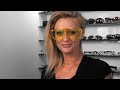

Whenever you're using a firearm, wearing high-quality shooting glasses or shooting goggles is crucial for remaining safe. Whether you're at the shooting range, hunting, or on the battlefield, you should have proper eye protection. It has also become common for eye injuries to occur when playing sports such as paintball or any other high-impact activities. Getting the right shooting glasses or shooting goggles depends on a lot of factors. For example, you may need side protection if shrapnel or other debris will come at you from multiple angles. For operating in extremely bright conditions, tinted lenses are helpful. If you plan on wearing a helmet or night vision device that your shooting goggles will need to accommodate?
And remember to consider worst-case scenarios. A pierced primer may shoot debris back at your eye from your slide or receiver. Without the proper safety eyewear for shooting you may soon be sporting an eye patch. If you don't want to wear protective eyewear, remember that an eye patch only looks cool on pirates. In addition to spent brass, shrapnel, and other airborne hazards you may also have to contend with dust, dirt, and other small particles that can cloud your vision. If you are temporarily blinded by dust you become a danger to yourself and also those around you. Keeping your eyes clear and protected is an essential part of gun safety and should never be neglected.
Shooting Goggles Vs. Shooting Glasses
There is always a tradeoff between various types of protection. Many casual firearms enthusiasts prefer shooting glasses because they have a sleek look and weigh much less than goggles. This makes shooting glasses the perfect choice for range trips and hunting, as you don't have to contend a lot of outside factors. However, they don't provide the same level of defense against projectiles as a quality pair of shooting goggles. When choosing shooting eyewear, remember that while goggles are heavier, bulkier, and more prone to fogging, your eyes have greater all-around protection. With a quality seal, your eyes aren't vulnerable from the bottom or sides in the same way as with shooting glasses.
Bottom and side protection is especially important if you're going paintballing, as shots can and will come from all directions. Even at the range, it's a good idea to have extra side protection, as it may not be your gun that malfunctions. While you know your firearm's condition, you don't know if the guy next to you takes the same care cleaning and maintaining his rifle. Additionally, military and law enforcement professional are better suited to shooting goggles as they face unpredictable conditions.
Shooting glasses are lightweight, comfortable, and stylish, but shooting goggles give much more protection and are a better choice in situations where projectiles might come at you from the side.
What Is The Best Lens Color for Shooting Glasses?
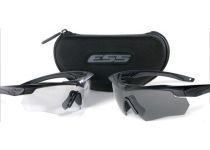 Many shooting glasses and goggles come with interchangeable lenses so that you can switch to the best color for the conditions. When choosing lens sets, avoid extreme colors; the darker the lens, the less light will transmit, and you won't see as much detail through your scope. Make sure to have a clear set, as they'll give maximum light transmission. This allows you to use your rifle scope with the most clarity, as these optics have advanced lens coatings and a substantial objective lens that you don't want your glasses clouding. The most common lens colors for shooting glasses are:
- Smoke Gray Shooting Glasses - Effective at blocking glare without altering color perception. Good neutral choice.
- Amber Shooting Glasses - Good for cloudy days; Amber enhances contrast and depth perception-another good all-around choice.
- Yellow Shooting Glasses - Improved Contrast. Driving glasses are usually yellowish brown. Brighter yellow is suitable for higher contrast in low-light situations.
- Purple Shooting Glasses - You'll see an orange target better with purple lenses, especially if you have a terrible background-reduced glare. You should practice with purple lenses before a competition, as they offer a different experience than traditional lenses.
How Do I Choose the Right Shooting Glasses?
- Lens Size - Take a look at the various shooting goggles and glasses. Shooting glasses will generally maintain your peripheral vision better than goggles, though many modern goggles are incorporating larger lenses to prevent view obstruction. With a larger lens, the thick frame of goggles is pushed further from your eyes. A wider field of view (FOV) increases situational awareness without sacrificing protection.
- Lens Quality - Just like your scope, the quality of the lenses in your eyewear significantly affects their performance. You want a flawless lens so there's no distortion. An astigmatic effect will cause blurriness on the top and sides of the glass. This distortion can make it challenging to acquire targets quickly. A prism effect can also occur with bad lenses, and this causes you to see a target off-center, which can cause serious accuracy issues at longer ranges. Purchasing a high-quality set of shooting glasses or goggles provides optical advantages, as well as a longer life span when your eyewear is enduring rough activities. Invest in high-quality goggles or glasses for better lenses and a perfect image.
- Shooting Glasses Additional Features - Shooting glasses and goggles can come with many of the same features as regular eyewear, with polarized, photochromic, and mirrored lenses, as well as lens coatings such as anti-reflective coatings and UV blockers. Polarized lenses minimize light transmission, which is great for sunglasses out in a boat but can limit your shooting ability, especially if you're a precision shooter at long range.
- UV Blocking - Most shooting glasses and goggles have a high degree of UV protection, but it's always a good idea to double-check. Shooting glasses are all about eye safety; you want to protect your eyes from all hazards, including invisible ones.
- Thermal Lenses - Thermal lenses are a great feature on many shooting goggles today. A thermal lens has two lenses, one next to the other, to add a layer of insulation between the lens next to your warm face and the lens to the cold outside air. This helps minimize fog in your goggles. Alternatively, you can use an anti-fog system, which helps reduce fogging in skiing, snowboarding, and shooting goggles. However, these anti-fog systems need to be reapplied, so a thermal lens is a more consistent choice.
- Ventilation - As shooting glasses are open on the sides and bottom, you don't need to worry about ventilation. Still, if you're using goggles, consider a fan ventilation system to minimize fogging. Many ventilation systems today have a small fan that draws humid air out the top of the goggle and cool, dry air up through the bottom. Filters on the ventilation system prevent dust and dirt from entering the goggle, so your eyes will be clear of contaminants and have a great view.
Shooting Eyewear Frames
- Material - Lightweight and strong is the name of the game for frames. Rigid polycarbonates or plastics are used in many goggles and glasses. Although you will see metal frames in many aviator-style shooting glasses, be aware that a metal frame will heat up in direct sunlight and may not be as comfortable against the skin as frames made from plastic. Another side benefit of some plastic and polycarbonate frames is their flexibility. They will give in a flexible frame to enhance their ability to absorb shock and provide a snugger and more comfortable fit.
- Coverage - A larger pair of goggles or sunglasses will cover more of your face and extend the protected area beyond your eyes. Your eyes aren't the only vulnerable part of your face, so combining a good pair of goggles with a helmet provides great protection. Coverage goes back to the difference between goggles and glasses, with the tradeoff of comfort and style with a pair of glasses for greater protection with goggles. When comparing different goggles, check how much of your face is covered and how large the lenses are. You will have optimal protection and FOV if you have big enough lenses and a wide frame.
- Fit - Always ensure the shooting glasses or goggles you pick fit correctly. Adjust the strap for comfort on goggles and ensure you have a proper seal. You won't perform at your best if you constantly have to readjust your glasses. It is frustrating to miss a shot because you're pushing your glasses up, and no matter how good your eyewear protection is, it won't provide any protection if it falls off your face. Be sure also to consider if your ballistic goggles will need to accommodate a helmet, hearing protection, or any other headgear that might get in the way of a proper fit, so choose a model designed with helmets or ear muffs in mind so you don't have to make adjustments later.


