 Your Browser is Outdated


The AR15 is one of the most popular firearm platforms in America, partly due to the fact that it is easy to customize, repair, and replace parts without help from a professional gunsmith. While this style of rifle is durable, especially when you purchase one from a reputable brand, regular use can still cause issues or result in damage to different AR15 parts. Thankfully, the most common issues with an AR15 are extremely simple to identify and fix, letting you get back to shooting without wasting a ton of money or time. Whether you’re new to owning an AR15 or just want to brush up on some easy maintenance basics, this guide talks about the most common problems you’re likely to encounter and how to fix them.
Failure to Eject or Extract
Firing a round and not seeing the shell casing come out of the ejector port is one of the most common gun problems in general, and an AR15 is not immune to this issue. Thankfully, this is usually a simple issue with your ammo, not an underlying issue with the firearm. A failure to eject happens when you fire a round, and the empty casing is removed from the chamber but not the firearm. Alternatively, a failure to extract means the empty shell is still in the chamber. In either instance, you can’t load or fire another round before removing the obstruction.
To fix this, start by removing your magazine. This step helps keep you safe because it prevents another round from loading prematurely while you’re still investigating the issue. Once your AR15 magazine is safely removed, point the rifle in a safe direction and shake it gently or tap the stock carefully to dislodge the stuck casing. If this doesn’t work, use a cleaning rod to push the cartridge out of the barrel. After removing the brass, try loading your magazine, chambering a round, and firing again. Usually, this is an isolated problem, and you won’t encounter the issue again. However, if you do, there is likely an issue with the bolt carrier group. To fix this, you’ll need to break out your gun cleaning equipment to clean and oil the BCG thoroughly. While cleaning, inspect it for any damage or imperfections. If you don’t find any, then carbon and other debris buildup is likely the cause of your failure to eject or extract.
Failure to Fire
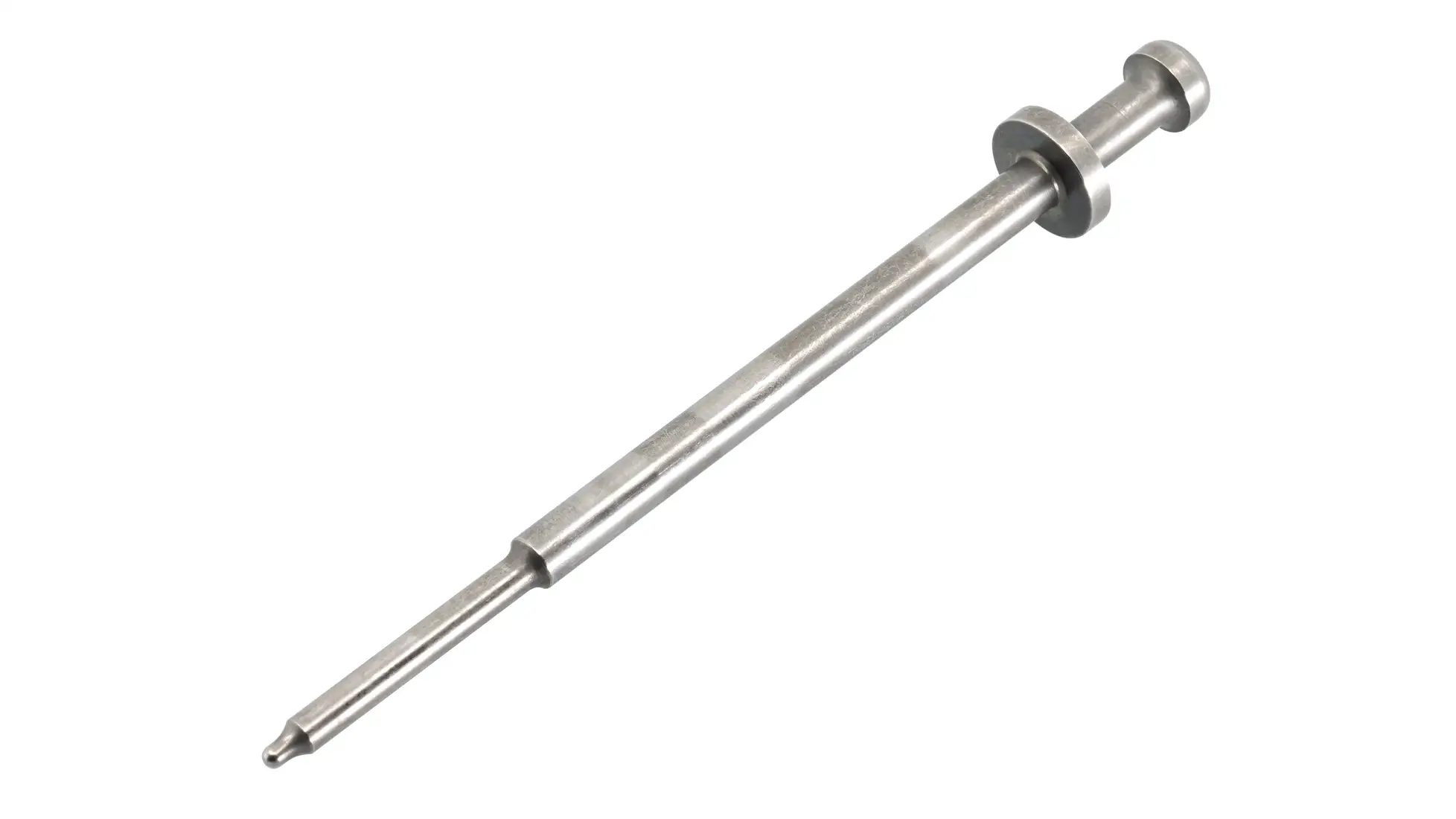 Unlike a failure to eject or extract, a failure to fire issue is both more serious and often easier to fix. This issue occurs when you pull the trigger, hear the click of the firing pin, but the AR15 doesn’t fire the round. Generally, this happens with poorly made ammo, such as improperly reloaded rounds or those bought from less reputable sellers or manufacturers. If this is the case, the fix is extremely simple: after removing the magazine and locking the bolt back, remove the unfired round carefully. Then, load your magazine back, chamber a new round, and try to fire. Imperfections in the primer or round can cause this issue, and if the gun fires normally after clearing the problem round, you’re unlikely to have a failure to fire again.
While this problem is usually simple to fix, it can also be a sign of a larger problem with your rifle. If loading a new round doesn’t fix the issue, the next step is to inspect the cartridge that didn’t fire for an absent, misaligned, or shallow indent on the primer. If you notice one of these issues, then you might have a damaged firing pin. To check, you’ll need to break down the rifle, remove the bolt carrier group, and disassemble it to get to the firing pin. Clean everything thoroughly and inspect for damage. If you notice anything, the easiest fix is to get a new bolt carrier group. If you don’t, debris may have caused the issue and cleaning likely fixed it.
Insufficient Gas
This problem is a bit harder to diagnose, but the warning signs are still easier to spot. An AR15 uses a gas block to direct and cycle the gases from firing a round, allowing the weapon to fire semi-automatically. When the gas block isn’t tuned properly, not enough gas may cycle back through the firearm, resulting in a few issues. If you don’t have enough gas, you’ll notice that the bolt doesn’t reliably lock open or brass doesn’t eject very far from the rifle after you fire a round. This can lead to malfunctions if not handled properly and generally will get worse unless you fix the underlying issue.
Like other problems, taking apart the rifle and cleaning it thoroughly is the first step before replacing or trying to repair any of the parts. If the problem persists, the next step is to remove the bolt carrier group. The first failure point in an issue like this is with the gas rings on the bolt carrier group, which you can easily test by moving the bolt head fully forward and balancing the bolt on its head on a smooth, stable surface. When the gas rings are defective, the bolt will start to slide forward instead of standing still. If this happens, you can replace the rings, and your issue should be fixed. For further issues, move on to inspecting the gas block itself. If you have an adjustable gas block, simply changing the settings to allow for more gas may fix the issue. If you don’t, double-check the gas block and gas tube to make sure they are undamaged, secured properly, and the correct model. For any noticeable damage or issues, it’s often easier to replace the gas system than repair it.
Failure to Feed
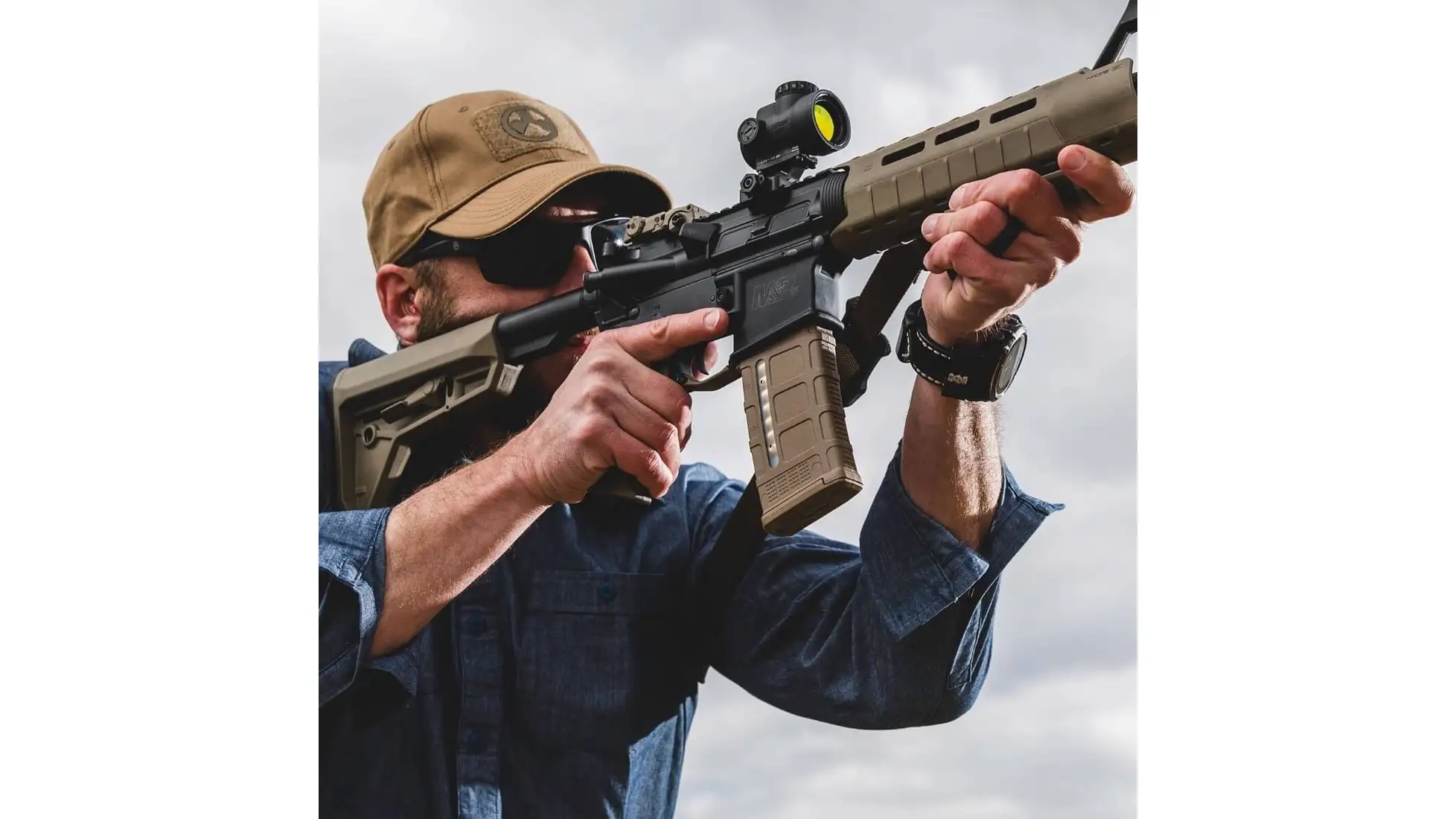 Rounding out the most common issues is the easiest fix of the bunch. This one is straightforward and occurs when you fire a round but the rifle doesn’t feed the next one into the chamber. While this is annoying when you’re at the range, this could be extremely dangerous if it happens to your duty rifle or while you’re hunting. Thankfully, this has a quick fix and almost never stems from an issue with the rifle.
To fix it, start by taking out the magazine and putting it back into the rifle. Don’t be gentle; push the magazine in fully with force to make sure it is fully seated and secured by the firearm. You should hear an audible click when the magazine is properly seated, and you can test this by pulling downward on the magazine after it is in place, as it shouldn’t move. If your firearm still fails to feed, try a new magazine entirely. Even with proper maintenance, magazines can break down over time, especially the springs that feed the ammo. If this occurs with the factory magazines that you got with the rifle, it might be time to switch to some Magpul PMAGs or another brand to ensure your rifle is functioning properly.
Gear Up & Save Big With OpticsPlanet!
We know it’s always frustrating having to replace damaged parts, which is why we aim to make the process as easy as possible here at OpticsPlanet! We have thousands of AR15 parts available all in one place to help you get everything you need. Or, if you’re just looking to customize your rifle, you can browse our massive selection of red dot sights, rifle scopes, and AR15 accessories to get the performance and accuracy you need.


