 Your Browser is Outdated


From going out to the dock with a fishing rod and reel to taking a boat off the coast, fly fishing in a river, and even noodling for catfish out in the backcountry, there are countless ways to try and catch a fish. As one of the most popular outdoor activities, trying out different fishing methods can be extremely fun, especially when you find one that really resonates with your hobbies and lifestyle. One of the lesser-known fishing methods is called bowfishing, and it is just as it sounds: you use a bow and arrow to hunt the fish and reel them in. However, this isn’t as simple as taking your favorite compound or recurve bow to the water and letting arrows fly. Aside from understanding some of the finer points of bowfishing, you’ll also need some specific gear to make sure you aren’t just losing your arrows and wasting money. If bowfishing sounds interesting to you, here’s what you need to know to get started.
What Is the Point of Bowfishing?
Just like any other fishing style, the point of bowfishing is to catch fish, primarily for food. Since bowfishing doesn’t allow for catch and release since you have to hurt the fish to catch it, it is also a useful tool for targeting and removing invasive fish species from local waterways. And finally, bowfishing is a fun activity and a great way to spend time with friends and family members, especially when you’re camping and hunting for your own food.
With that being said, many people wonder: Is bowfishing ethical? And the answer to that question is much more complicated. Generally, bowfishing is seen as ethical when the anglers are practicing it in an ethical way. This means that bowfishing is extremely ethical when used as a conservation tool or when the anglers plan to utilize the harvest of fish fully. However, just like any form of hunting or fishing (that doesn’t involve catch and release), some people give the sport a worse image than it truly deserves by depleting native species without proper oversight, wasting the harvest of fish, and disrespecting the local environment and residents. Essentially, bowfishing is as ethical as you make it, and making sure you learn all the ins-and-outs and get the proper gear is one of the best ways to prevent issues.
What Kind of Bowfishing Gear Do You Need?
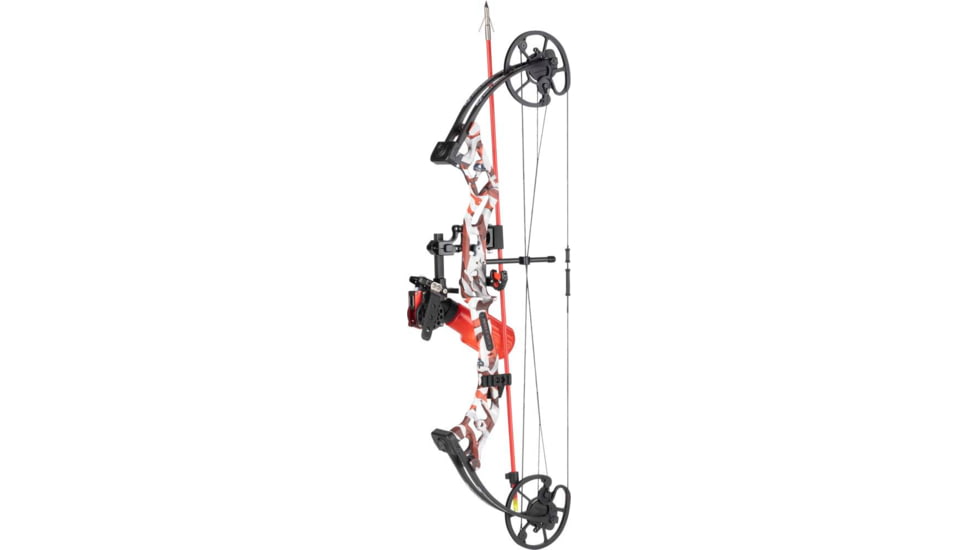 First and foremost, you’ll need a reliable bow. Most people opt for a compound bow, as these are the easiest options to use for people who are brand new to archery. This is because the mechanisms in a compound bow help relieve some of the strain of holding the string fully drawn. However, you can also use a recurve bow for bowfishing, and this is even the preferred method for experienced bowfishers as the draw is much smoother if you have sufficient practice. If you’re completely new to archery, we recommend getting a compound bow and checking out our guide How to Choose the Right Compound Bow. Some of the top compound bow brands that we recommend are Bear Archery, Barnett Archery, and PSE.
Once you have your bow, you can move on to the rest of the needed items, starting with arrows. While normal arrow shafts are often made from carbon fiber or aluminum, you usually want to avoid these types for bowfishing. Instead, you’ll want to use arrow shafts that are made of fiberglass. This is because fiberglass has a much higher density, which results in more kinetic energy when you fire. This is crucial because you need more weight and energy to pierce the water quickly and accurately to catch the fish. You may also need a new arrow rest to accommodate your fiberglass arrows, as standard models aren’t designed for the weight or friction of fiberglass.
Aside from the shafts, you’ll also need specialized arrow heads to make sure you secure your harvest after hitting them. Unlike traditional broadhead points or field points, bowfishing arrows utilize heavy-duty, barbed steel points that latch onto the fish and don’t rip through as you start to reel the arrow back in. There are two styles of these arrow heads, Carp Points and Gar Points, that are designed for soft-flesh fish and armored fish, respectively. The gar points are designed to penetrate the armor, so make sure you pick this style up if you plan to hunt alligator, gar, stingray, or other armored fish.
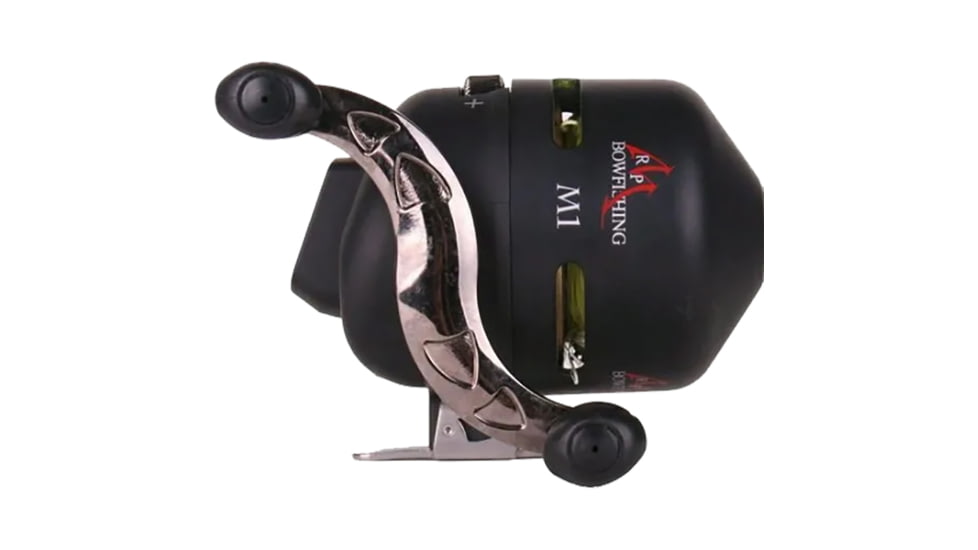 Finally, you need a bowfishing reel and line to attach to your bow and arrows. The bowfishing reel connects directly to the bow riser, which is the center point of your bow. This keeps it even and prevents the arrow from jerking your bow in a strange direction when you shoot, as it is placed along the path of the arrow. There are several options available for different reels, with everything from traditional spincast reels to winch-like reels that can help you haul large catches in. If you don’t have much experience with traditional fishing reels, your best bet is to start with something basic and test it out to find what you do and don’t like before upgrading to one that matches your needs. Once you have your reel, it’s time to move on to the line, which is a bit simpler. Unlike regular fishing line, which you usually match to the expected weight of the fish you’re targeting, bowfishing line must be even stronger to reel in both the fish and the heavy-duty arrow. Thankfully, fishing line that is designed for bowfishing is clearly marked, so you can narrow down your options easily. Additionally, make sure your reel is rated to withstand the line that you choose, as getting a heavy-duty line for a reel that isn’t designed for it is likely to break sensitive components.
Beginner Tips for Bowfishing
Once you have all your gear and have located the perfect honey hole to start bowfishing, you’ll need some tips to make the most of your excursion! While not an exhaustive list, here are a few things that will help make your bowfishing trip more successful.
- Aim Low: Water refracts light, which means that the fish, rocks, and other things you see below the surface aren’t actually in the positions in which you see. To counteract the bending light, you have to aim much lower than you think to actually hit the fish. A general rule is to aim 4 inches low for every 10 feet of distance to account for the refraction.
 Practice Often: Unless you have a pond in your backyard, practicing bowfishing is a lot harder than regular archery as you can’t simulate the conditions with a static target. Instead, you have to go out to the water and practice! This means that failure is guaranteed, as you will almost definitely miss your first few (or even first few dozen) shots before you finally land a hit. Don’t be discouraged; hitting a moving target below the waterline is extremely hard.
- Check Local Laws: Much like any other type of hunting or fishing, there are plenty of laws and regulations surrounding the activity. These change depending on where exactly you are, so you should always check the local laws and ordinances before hunting or harvesting anything. Make sure you have all relevant licenses and permissions to fish and be on the water.
- Start Close: When you’re first starting out, you want to be as close to the fish you’re targeting as possible. This reduces the flight time of the arrow and makes it much more likely you’ll land your shot. Avoid long shots until you’re very comfortable shooting to improve your chance of success.
- Don’t Forget Safety Gear: You’re going to be out on the water for long periods, so don’t forget to bring sunglasses, sunscreen, a hat, and other items that will help you stay comfortable. Bring plenty of water and anything else you might need. Additionally, make sure you have a first-aid kit, especially if you’re after more dangerous fish, such as alligator gar. Also, if you’re going out on a boat or crossing deeper water, bring a life jacket. Preparing for injuries and issues beforehand is crucial to make sure you’re ready for anything.
Start Bowfishing Today!
Our team at OpticsPlanet is here to help you with all of your favorite activities, projects, and adventures. From bowfishing and hunting to long-range shooting and more, we have a massive range of gear to help you get started. Check out our collection of archery gear today to be prepared for your next trip, and don’t forget to grab the right hunting apparel before the season starts!


