 Your Browser is Outdated


From an experienced hobbyist to a total newcomer who is looking for a fun way to spend time outdoors and potentially make some awesome finds, metal detecting is an excellent activity that you can partake in by yourself or with a group. And it goes without saying that one of the most important pieces of gear is the metal detector that you use. While there are plenty of other metal detector parts and accessories that can make the process easier or more enjoyable, the actual metal detector is what facilitates your search and helps you hone in on precious valuables and forgotten treasures. If you’re looking to learn more about this exciting hobby, here is everything you should know about metal detectors.
How Do Metal Detectors Work?
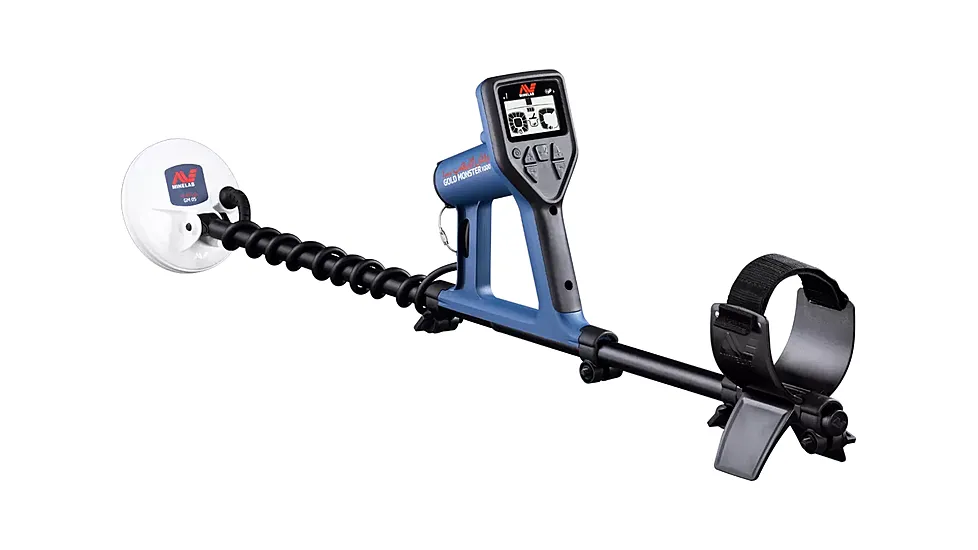 Even though metal detectors are relatively common tools, many people do not understand how they work to find buried metal that can be pretty deep in the ground. To do this, they use an oscillator to produce an alternating electric current that passes through a coil. This process creates an alternating magnetic field that can penetrate the ground and hit metal that it finds, which causes the metal to become electro-magnetically charged and emit a signal. The return signal is what the metal detector finds and relays to you, usually through a readout on a screen or a pinging noise through a speaker or headphones.
This process is fairly complex, but it makes hunting for hidden metals easy. The strength of the return signal is important, as this can help you determine what kind of metal you are detecting as well as how deep the item is buried. Generally, metals are broken down into three categories when metal detecting, which are: ferrous metals, non-ferrous metals, and stainless steel. Ferrous refers to iron and metals mixed with iron that are magnetic, while non-ferrous metals are not magnetic. This means that ferrous metals emit the strongest return signal, with non-ferrous metals providing a weaker signal and stainless steel providing almost no signal. The strength of the signal also changes based on how far away the sensor is from the metal, so as you dig in the ground and get closer, the signal should increase in intensity.
How Deep Do Most Metal Detectors Go?
The range of a metal detector depends on a lot of factors, but you can expect most well-made models to give you an accurate reading at a depth of 12 to 18 inches. However, one big factor that significantly impacts the detection range is the size of the object that you are scanning. For example, an old coin or button that is small and doesn’t contain a lot of metal might only show up if it is within 9 to 10 inches of the surface, while a large cannonball or metal plate can be detected at multiple feet below the surface.
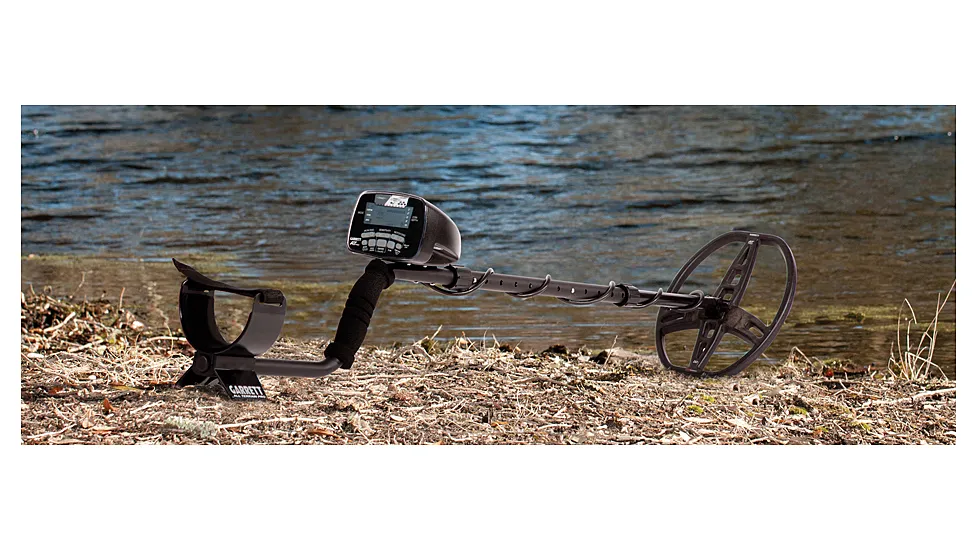 Other factors that influence the detection range of your metal detector include the soil conditions, the size of the coil on the detector, the frequency you’re using to detect, and the makeup of the object in the ground. For soil conditions, the most important factor is magnetic susceptibility. This essentially refers to how magnetic the soil is, which can derail your findings. For example, if the area you are detecting has a lot of iron in the ground, you may get false readings that interfere with real signals of something buried. Another significant factor for your maximum depth is the frequency of the metal detector. Most modern metal detectors give you some control over the frequency of the pulse they emit, which can help you hone in on specific materials. This means turning the frequency to “high” sends a much stronger signal into the ground, which helps it penetrate deeper and potentially find even older objects. However, there is a downside to doing this, as it can result in interference and erratic responses from your scanning. Instead, you should keep the frequency to a little lower than 75% of the maximum.
Can Metal Detectors Detect Gold?
Yes they can. Despite not being a ferrous metal, gold is an extremely conductive metal, which is all that matters for a metal detector to work. Since the electromagnetic field is most useful on conductive materials, any buried gold responds with a strong signal when it encounters the field. Other valuable non-ferrous metals that you can find with a metal detector are silver, copper, lead, nickel, and aluminum. The ability to detect a wide range of metals is why metal detectors are so popular and useful, giving you the best chance of making a valuable find.
What Should You Look for in a Metal Detector?
The first thing you should know when choosing a metal detector is that there are three main types. While they all ultimately perform the same job, they are best suited to different types of metal detecting and even different scanning locations. Here are the three types you should know:
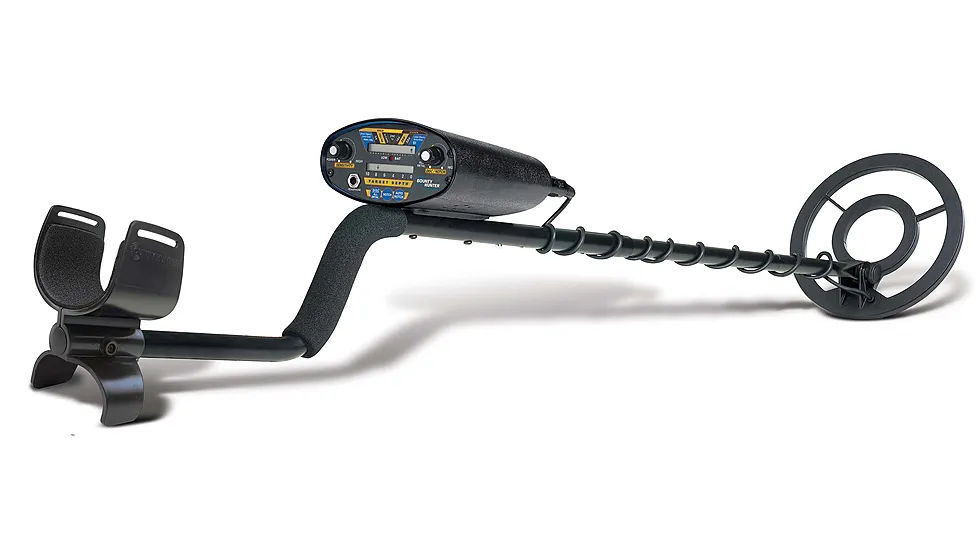 Very Low Frequency (VLF) Detector: An excellent all-around choice because it can detect a wide range of metals and has sensitivity settings that let you fine-tune your search. VLF detectors are the perfect choice for general metal detecting in a variety of areas.
- Pulse Induction (PI) Detector: This is the best option if you’re metal detecting near or in water, such as on the beach. PI detectors are resilient tools that can withstand saltwater and heavy mineral presence, protecting your investment.
- Beat Frequency Oscillation (BFO) Detector: This is the most basic option. BFO Detectors are the simplest option to use and generally cost less than other models, which makes them perfect for people just getting into the hobby.
Aside from these technical differences, most metal detectors function similarly. However, this doesn’t mean they’re all the same, as the differences that do exist are what separate decent metal detectors from really nice metal detectors. If you’re shopping for one, some of the best things you can look for are accessibility and functionality features. For example, getting a metal detector that has an adjustable shaft length is extremely useful, as you can change how long it is to ensure it is comfortable to use for long periods of time. This prevents you from having to hunch over or move around awkwardly as you’re scanning the area. Another useful feature is the ability to use wireless headphones with the metal detector. Traditional models used either an onboard speaker or required wired headphones, both of which are cumbersome and can be awkward to use for long periods. If you get a model with wireless connectivity, you can choose your favorite pair of headphones without having to deal with a cord getting in the way.
Find Your Treasure Here at OpticsPlanet!
Our team at OpticsPlanet is here to help you with all of your adventures, from metal detecting along the beach and around old battlefields to camping, skiing, shooting, and more. We have tons of gear for any situation you find yourself in, so you’re sure to get exactly what you need. We even have plenty of boots and footwear to help you keep your feet while you’re out searching for your next find.


