 Your Browser is Outdated


When it comes to ammo, there are countless factors that affect how well the bullet will perform when you fire it. Of the things those factors affect, the range of the bullet is often one of the most important aspects, especially for people who like long-range shooting. The effective range of a bullet signifies the ideal distance for it to reach a target and achieve its intended effect. Unfortunately, the definitive answer to a cartridge's effective range remains elusive, as it hinges on various factors such as the specific cartridge load, bullet type, bullet weight, the firearm utilized, your rifle scope, and the nature of the target engagement. 
How Do Varying Effective Ranges Affect Different Types of Ammo?
The bullet's effective range is not a fixed parameter but varies depending on the application. The effective range leans towards the potential maximum when engaging steel or paper targets, as you only need to hit the target, not penetrate it. In target shooting scenarios, the primary concern is for the bullet to contact the target without transferring significant energy. However, when hunting, the objective is to ensure that the bullet reaches the target with ample terminal energy to ethically and effectively dispatch the game.
The amount of energy required for ethical hunting varies by species, with an Elk typically requiring 1500 ft/lbs and a Whitetail Deer needing 1000 ft/lbs of kinetic energy. This information becomes crucial when selecting a hunting cartridge, as energy decreases with distance. For instance, the Hornady 6.5 Creedmoor 129 grain InterLock American Whitetail ammo boasts 1676 ft/lbs of energy at 200 yards, dropping to 1427 ft/lbs at 300 yards—ideal for Whitetail Deer. On the other hand, the 6.5 Creedmoor Hornady 143 grain ELD-X Precision Hunter Ammo maintains 1658 ft/lbs of energy at 300 yards and 1475 ft/lbs at 400 yards, making it a better choice for Elk, especially beyond 200 yards. It's crucial to note that having a cartridge with a specific energy capacity doesn't automatically make it suitable for hunting different game species.
The Bullet's Role in Defining Effective Range
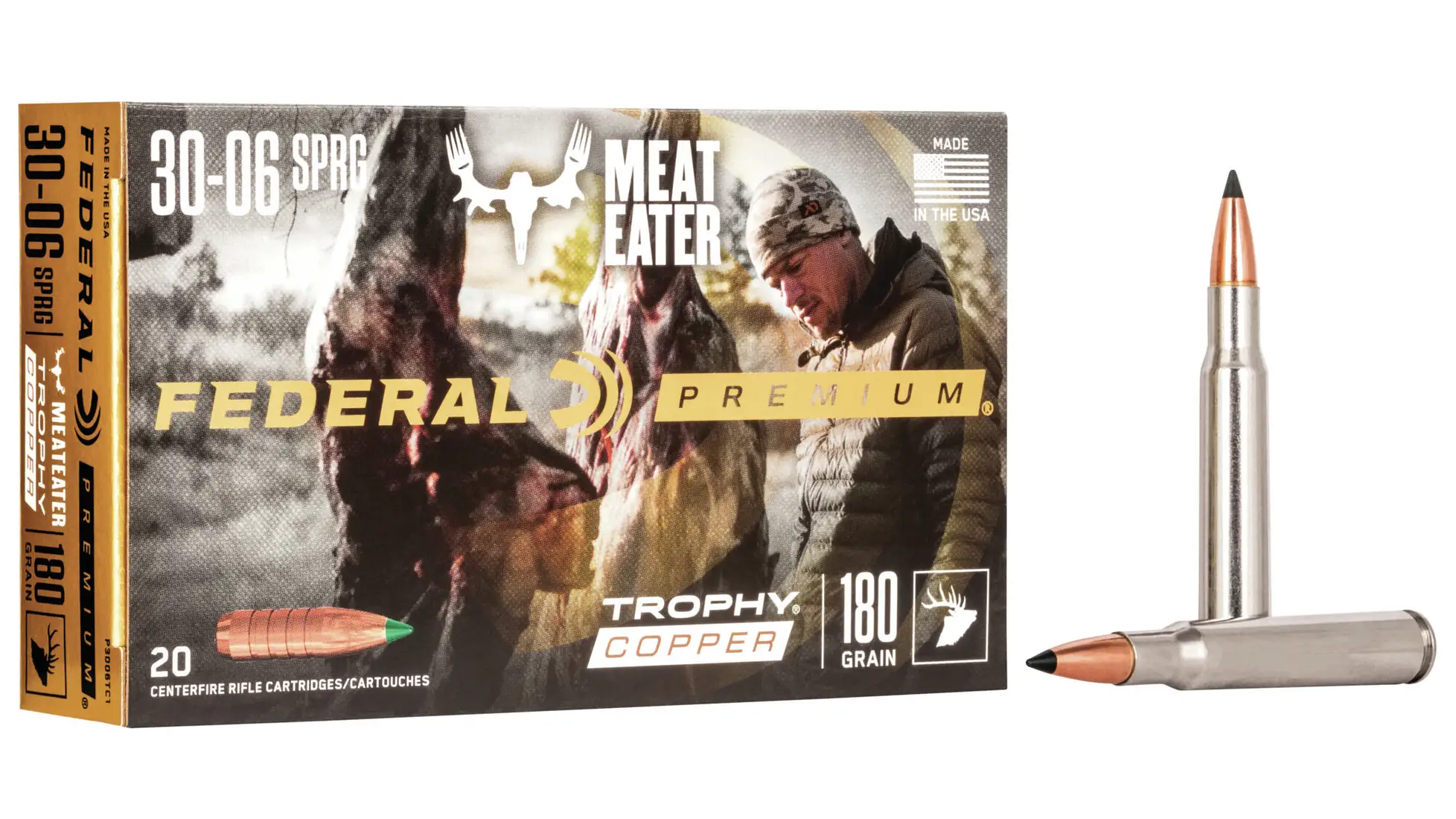 The effective range of a bullet is intrinsically tied to the cartridge and bullet type. For example, 308 Winchester ammo has a shorter effective range than .300 Winchester Magnum due to the latter's larger case capacity, propelling the similarly-sized .30 caliber bullet faster. The bullet's weight also plays a significant role, as showcased by the .300 Blackout Supersonic ammunition, where the bullet weight drastically affects performance.
Bullet specifications, including construction and type, are tailored for specific purposes like hunting, target shooting, long-range shooting, or self-defense. Long-range shooting bullets, for instance, feature a higher ballistic coefficient, enhancing their ability to overcome air resistance, maintain velocity, and extend their effective range. These bullets are almost always long and thin, allowing them to pierce through the air while maintaining stability even at extreme ranges. These differ widely from pistol ammo, which is generally flatter and wider than rifle ammo.
Environmental Factors and Their Impact on Range
While you can control a lot of conditions to maximize the effective range of your ammo, some are almost entirely out of our control, such as the environment. Unfortunately, the conditions in which you shoot significantly impact a bullet's effective range, which is only compounded as your range gets higher. For example, air density, temperature, and wind influence the bullet's trajectory, significantly impacting your overall accuracy. Higher air density increases resistance and decreases velocity, while various environmental factors, like ambient temperature, affect powder burn rates inside the cartridge, influencing bullet velocity. The wind is particularly influential, with changing conditions throughout the day making it challenging for a shooter to hit a target consistently.
Thankfully, you don't need to control the weather or environment to accurately shoot long distances. Instead, the best method of counteracting these forces is to work with them and around them. For example, avoid shooting during poor weather, when possible. For competitions and practice, opt for shooting on a day with mostly clear skies and a relatively stable temperature with minimal wind. Since these factors can't be entirely avoided, you should also pick up some gear to help you mitigate their effects. A reliable rangefinder, spotting scope, and other tools can help you plan each shot carefully so that you have the highest chance of success.
The Role of Firearm Features in Effective Range
The firearm and the shooter's skill also influence the effective range of a bullet. Features like barrel length impact muzzle velocity, with longer barrels generally allowing for greater velocity. However, there's a point where additional barrel length negatively affects velocity. Additionally, a rifle's stock, trigger, and scope play roles in accuracy and consistency during long-range shooting. A shooter's understanding of these factors and mastery of shooting fundamentals are crucial for maximizing a bullet's effective range and hitting targets accurately.
Key Takeaways on Bullet Range Dynamics
In summary, the effective range of a bullet is contingent on factors such as the cartridge, bullet weight/construction, application, environmental conditions, and firearm and shooter characteristics. Considering these elements is imperative when selecting a firearm and cartridge for any shooting scenario. Thankfully, we have all the gun parts and shooting accessories you need to make the best shots possible right here at OpticsPlanet.


