 Your Browser is Outdated


Knowing where to shoot a deer is the first step to becoming a better and more ethical hunter. 
Whether you’re hunting in a ground blind or taking elevated shots from a tree stand, this guide will teach you where to properly aim at a deer for a one-shot kill.
Deer Vitals: What to Aim For
Deer are the most popular game animal to hunt, and knowing the location of deer vitals will help you swiftly take down a doe in the most ethical manner. These shot placements are critical for both bowhunters and rifle marksmen. The biggest difference between the two is simply knowing your skillset and ensuring that you can effectively cover the distance and bring enough power to inflict as little pain as possible on your target.
Here is a list of the most common deer vitals to aim for while hunting:
- Lungs
- Heart
- Liver
- Brain
- Neck
The lungs, heart, and liver are the best deer vitals to aim for while hunting because they are the easiest to hit from a variety of positions and will result in a quick takedown. Also, there are many major blood vessels and arteries in this area, so if you somehow miss the vitals, you will eventually take down the deer and be able to easily track it.
While video game aficionados know headshots are everything, that does not translate well to real-life hunting scenarios. The brain and neck are small targets, and even the best hunters can experience difficulty trying to hit these minute areas. Plus, these vitals are only exposed from certain positions, whereas the lungs and heart can be easily penetrated while the deer is turned at different angles.
Where to Shoot a Deer at Eye-Level
Knowing what whitetail vitals to target is one thing, but you also need to consider your positioning and the deer’s in order to take the best shot possible. If you’re hunting on foot or in a ground blind, you’ll be eye-level with the deer and need to take your shot accordingly.
Eye-Level Broadside Shot Placement
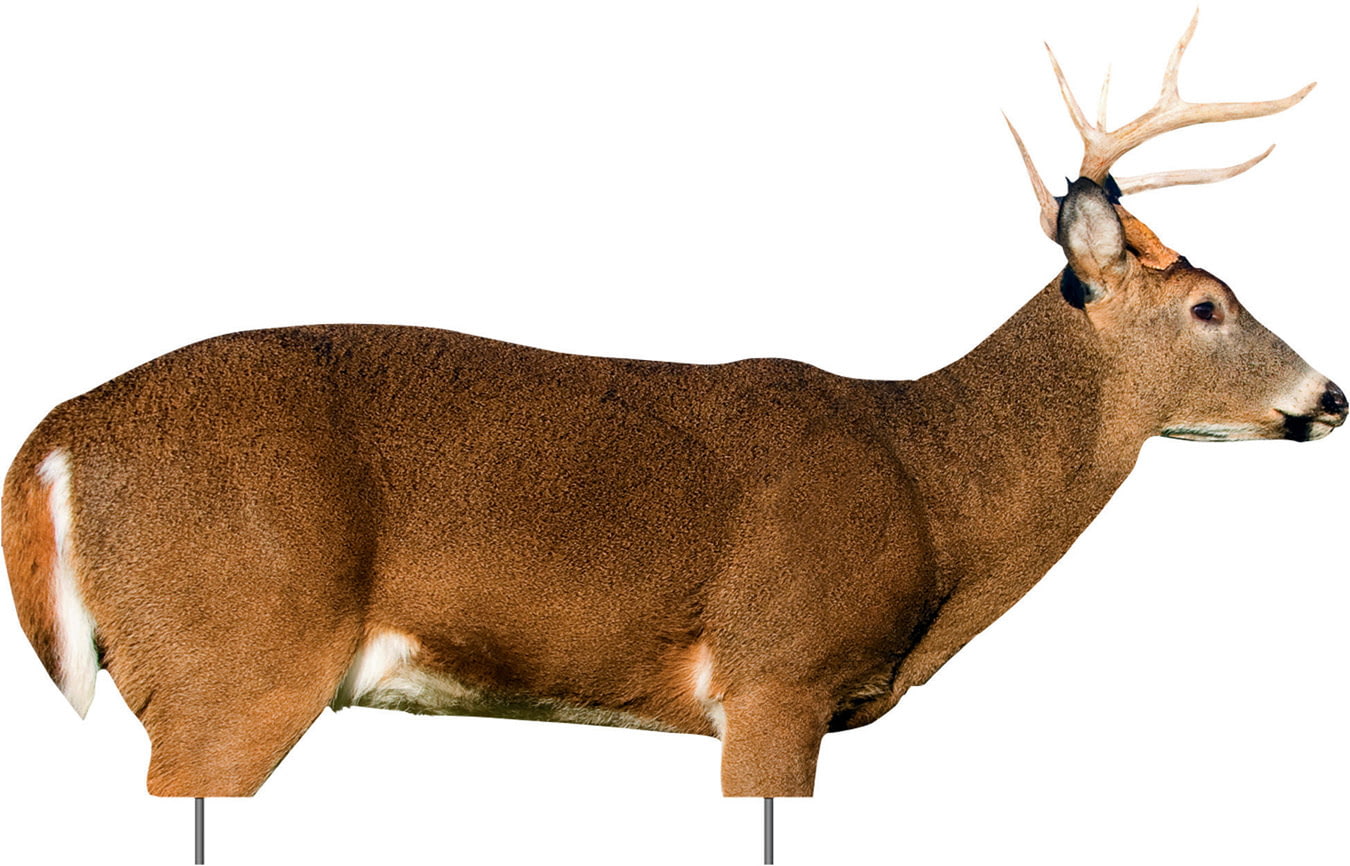
Broadside means that the deer is perpendicular to you, providing the largest target with exposed vitals. Bowhunters should definitely not take this shot for granted, as it provides the easiest and cleanest route to an effective takedown.
Eye-Level Quartering Away Shot Placement
When a deer is quartering away, that means it is facing away from you at an angle that still leaves several vitals exposed. This is a bowhunter’s bread and butter because the deer will not see you draw your bow, and the quartering away shot is especially lethal with a rifle. Aim for the opposite shoulder, and your ballistic of choice should penetrate the essential vitals and lead to a swift takedown.
Eye-Level Quartering Toward Shot Placement
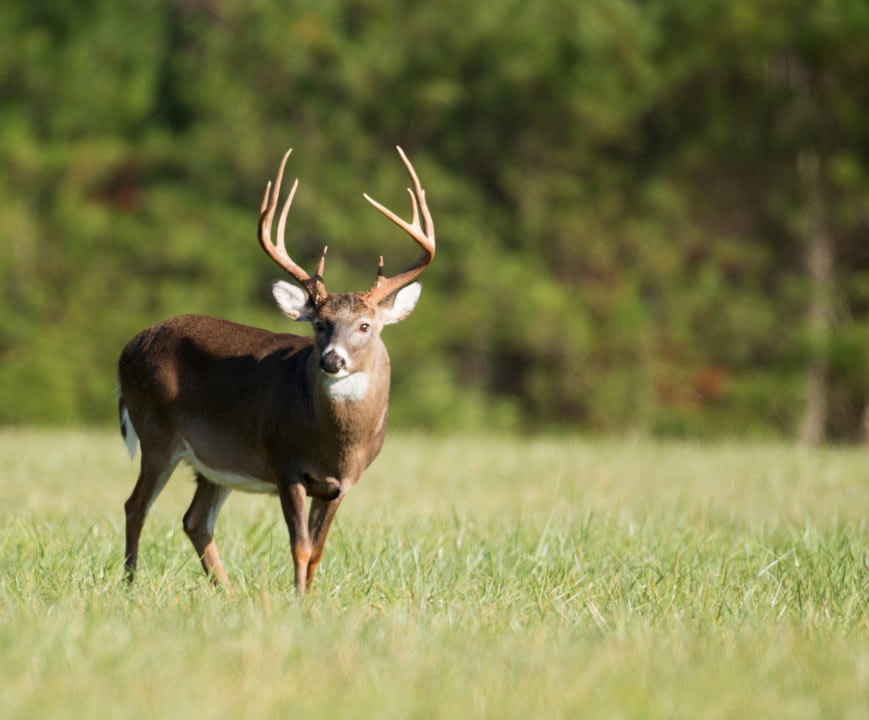
Quartering toward is like the quartering away position, only this time, the deer is angled facing towards you rather than away. It is best to aim at the front of the shoulder near the leading leg to ensure the vitals are struck in this position. This is a tough shot to take with a rifle, and bowhunters should definitely avoid taking this shot, if possible. Drawing a bow while any game animal faces you may cause them to react and result in a poor shot placement, which may harm the animal instead of providing you with fresh venison.
Eye-Level Head-On Shot Placement
When a deer is directly facing you, you should aim for the area where its neck and shoulders meet for the best possible shot. Again, bowhunters should not attempt any shot with the deer facing them unless they are expertly trained, and sure they can get the job done right.
Eye-Level Straight Away Shot Placement
Straight away is the opposite of the head-on position, where the deer’s behind is facing you. This may as well be a deer’s way of showing you where to stick your hunting equipment because this is one of the worst possible shots to take on any big game animal. The bullet has to travel through the deer’s bowels before it gets to the vitals, which can be quite messy and will ruin a good portion of the meat. Always wait for a better shot, and your patience will pay off.
Where to Shoot a Deer from a Tree Stand
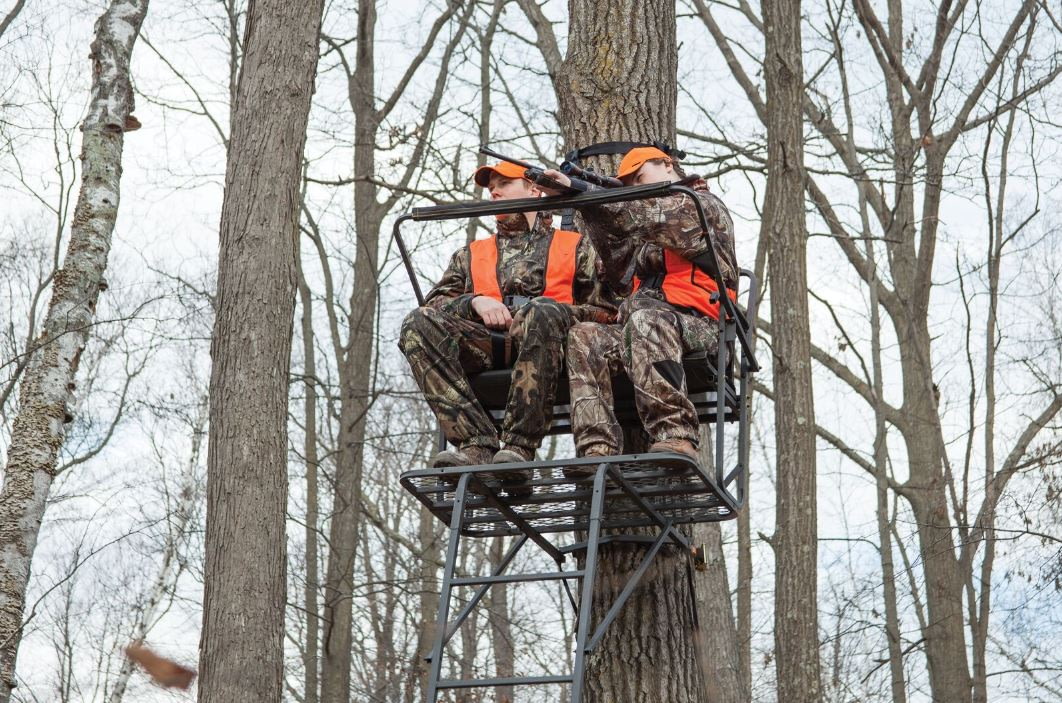
Shooting from an elevated position changes things a bit. After all, deer are 3D objects and not paper targets, and the entry points to their vitals shift when you’re perched up in a tree. While tree stands make hunters harder to see and smell, it is important to understand how your elevated advantage impacts the ideal shot placement on bucks. Remember, shooting a bow or rifle from a tree stand or elevated blind will impact both the entry and exit points of your projectile, which means you need to properly adjust your aim in order to take out the vitals in one clean hit.
Elevated Broadside Shot Placement
On a spot-and-stalk hunt, the broadside shot is clean and simple. However, a tree stand adds a bit more difficulty to the shot because you need to consider the exit point. The best exit point for a projectile will be on the opposite side of the deer, right behind its shoulder. Visualize where you want the arrow or bullet to exit the deer, and viva la venison, which is my way of saying congrats on your takedown.
Elevated Quartering Away Shot Placement
This is the shot that will bring a tear to a bowhunter’s eye and instill great confidence in a rifle marksman. The deer will be less aware of your movements and expose its vitals like a huge welcoming target. Aim for the opposite shoulder, and have your field dressing knife at the ready because dinner is about to be served.
Elevated Quartering Toward Shot Placement
Out of the three elevated shot placements, this is the most difficult for bowhunters and rifle hunters to accomplish. If you must take the shot, you’ll ideally want to aim slightly above the elbow of the leading leg. This shot should only be taken if you’re confident you can nail those vitals because it poses a high risk of wounding or scaring off your prey.
One Shot by Land, One Shot by Tree
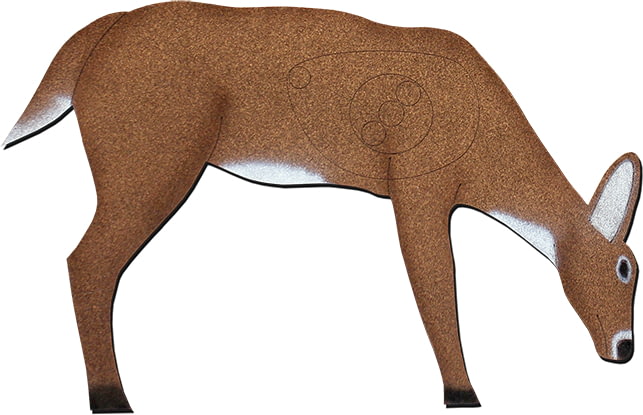
Following these guidelines, you should now know how to shoot a deer with a bow and rifle from both the ground and from a tree stand. Remember that visualizing your exit point is one of the best ways to improve your aim on the hunting grounds and ensure those vitals are hit. If you want to practice your shot placement before your next hunt, scoop up some 3D targets for a more realistic hunting experience. With the knowledge in place, it’s time to stock up on broadheads and ammo and hit your next hunt with confidence.
