 Your Browser is Outdated


With winter approaching, getting ready for the colder weather is crucial to ensure that you can still go outside and enjoy your favorite activities without issues. One of the best ways to make sure your season proceeds smoothly is with a brand new winter jacket! Even if you already own one, investing in a new one is a great way to refresh your style and make sure your jacket is properly insulated, especially if you’re replacing an old favorite. When it comes to modern winter jackets, you usually have to pick between two choices when it comes to the insulation material: down insulation and synthetic insulation. There are benefits to both insulation styles depending on how you plan to be active during the winter, so before you checkout, here’s what you should know about choosing a reliable winter jacket.
What Is Down Insulation?
The best way to decide which type of insulation is a better choice is to fully understand the options presented. Down insulation refers to natural feathers that make up a fine, fluffy under-layer of plumage that sits beneath the outer layer of feathers on waterfowl. This is an extremely old form of insulation, with people using down feathers for pillows, mattresses, jackets, and more for centuries. It is still in use today because down is extremely soft and warm, making it much more comfortable than other options. Additionally, down feathers are extremely lightweight, so you can pack them into a jacket without making it too bulky and heavy to actually wear. Instead, your jacket remains lightweight while still insulating your body heat and keeping you warm despite the frigid conditions.
What Are the Pros and Cons of Down Insulation?
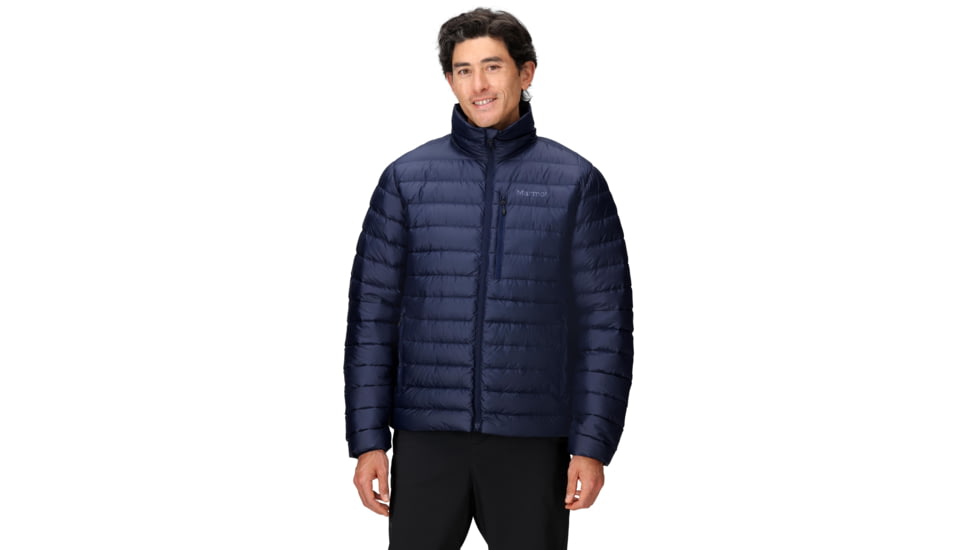 As mentioned above, down is extremely warm. In fact, it has the best warmth-to-weight ratio for insulation, which means it provides the most warmth for the least amount of weight. It also has unmatched packability in dry weather, as the feathers can easily fold and pack without issues. However, down insulation does have some drawbacks that you should be aware of if you plan to purchase a down winter jacket. For example, down feathers have to be harvested from waterfowl, so this material is often more expensive than a synthetic alternative. Traditionally, products that used down insulation were considered luxury items, and while down is more affordable now, it will still increase the price of a jacket. Another downside of using down insulation is that it doesn’t perform as well in wet weather. Down feathers are porous at both a microscopic level and macroscopic level, which essentially means that they can hold a significant amount of water. When the feathers are soaked with water, they no longer function as a proper insulator, letting your body heat escape.
Thankfully, there are still plenty of benefits to using down over synthetic insulation. For example, high-quality down can maintain its warmth and softness for decades with proper care and maintenance, such as using soaps and detergents designed specifically for garments with down insulation. Additionally, down jackets often use high-quality materials throughout the construction, since the insulation itself is expensive. This means that the entire garment is more likely to last longer, as everything from the stitching to the outer layer is usually made to a higher standard by the manufacturer.
What Is Synthetic Insulation for Jackets?
Unlike down, which is a natural material, synthetic insulation is created by companies to serve the same purpose as down but using materials that are cheaper to produce and use. Generally, manufacturers use polyester fibers to create synthetic insulation, as these fibers can be spun into microscopic strands that trap air bubbles. The trapping of the air is what insulates you, as it prevents your body heat from escaping through the jacket. There are many construction styles when it comes to synthetic insulation fibers, including short-staple, continuous filament, and sheet/wadding, with each one referring to how the fibers are processed. Short-staple insulation is made of short, densely packed strands, while continuous filament uses thick, unbroken fibers, and the sheet/wadding style consists of large continuous mats of insulation that are packed into the garment. These styles even allow companies to use synthetic insulation to mimic the properties of down insulation by recreating the fluffy, multi-directional fiber cluster of down that allows it to trap so much heat with minimal weight.
What Are the Pros and Cons of Synthetic Insulation for Jackets?
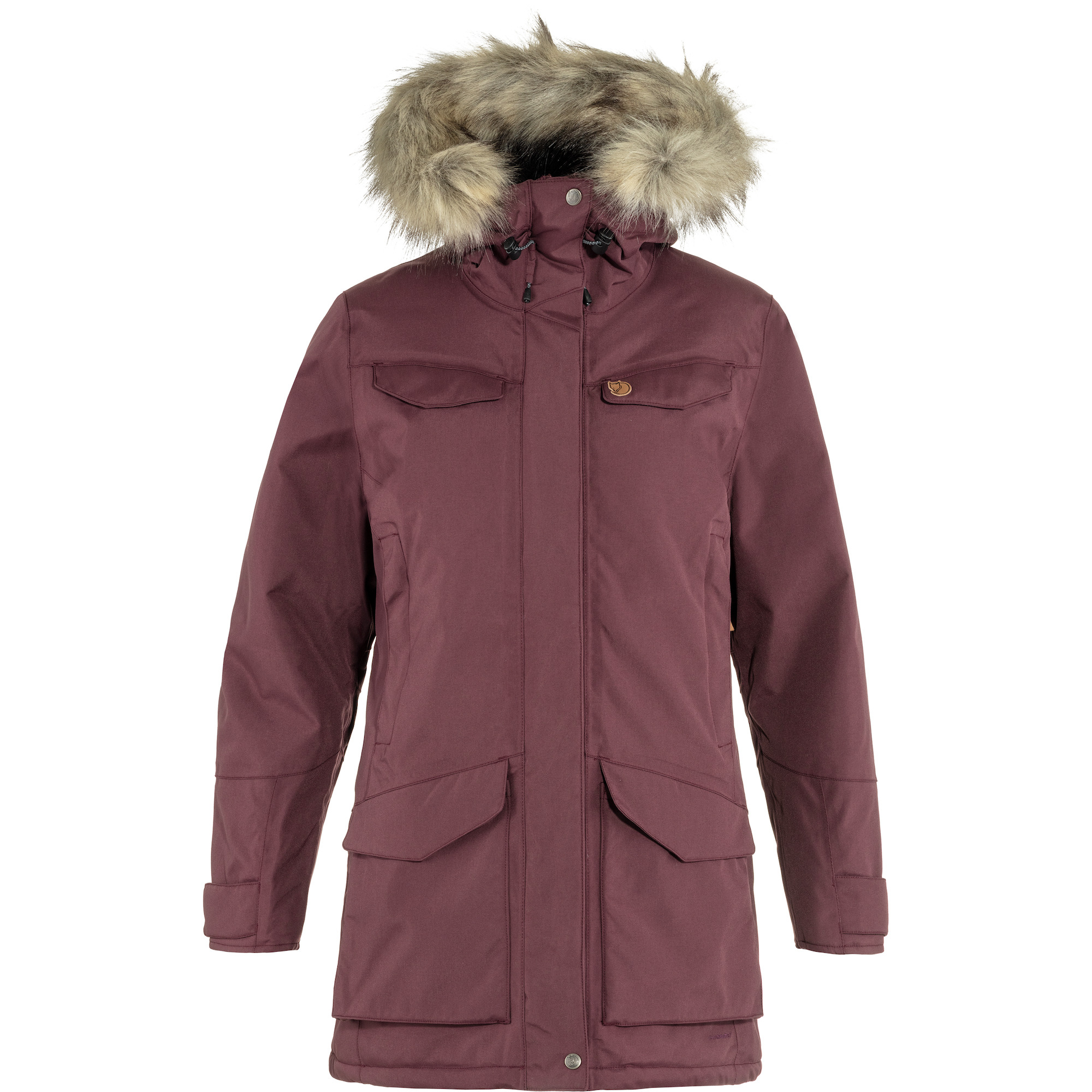 The biggest benefit of synthetic insulation is that it is extremely affordable. Chances are, if you’re unsure if your current winter jacket has synthetic insulation or down insulation, it most likely has synthetic. This is because synthetic insulation is often the “default” option since it reduces costs for manufacturers, which usually reduces costs for consumers. However, this isn’t the only reason why synthetic insulation is popular. It actually performs much better in wet weather than down insulation because it doesn’t absorb moisture. Instead, the water runs off of the jacket, allowing the synthetic insulation to maintain its loft and continue trapping air, even if it is damp. This also means that winter jackets that feature synthetic insulation are much easier to wash and maintain, as you don’t have to worry about permanently damaging the fibers due to excess water.
On the other hand, there are some slight downsides to opting for synthetic insulation. Specifically, it doesn’t have as high of a warmth-to-weight ratio as down, which means that you need a bulkier jacket that weighs more than a comparable down jacket to get the same warmth. While this might not be an issue for you if you only plan to wear the jacket briefly while walking to and from your car, it is a much more significant issue if you plan on hiking. This is because adding more weight to your hike will tire you out faster, so opting for lightweight materials is often better. Additionally, synthetic insulation holds its form better than down, which means you can’t compress the jacket and pack it easily. Finally, synthetic insulation breaks down faster than down insulation, which means you’ll have to replace your jacket more frequently if you prefer this style.
Should You Choose Down Insulation or Synthetic Insulation?
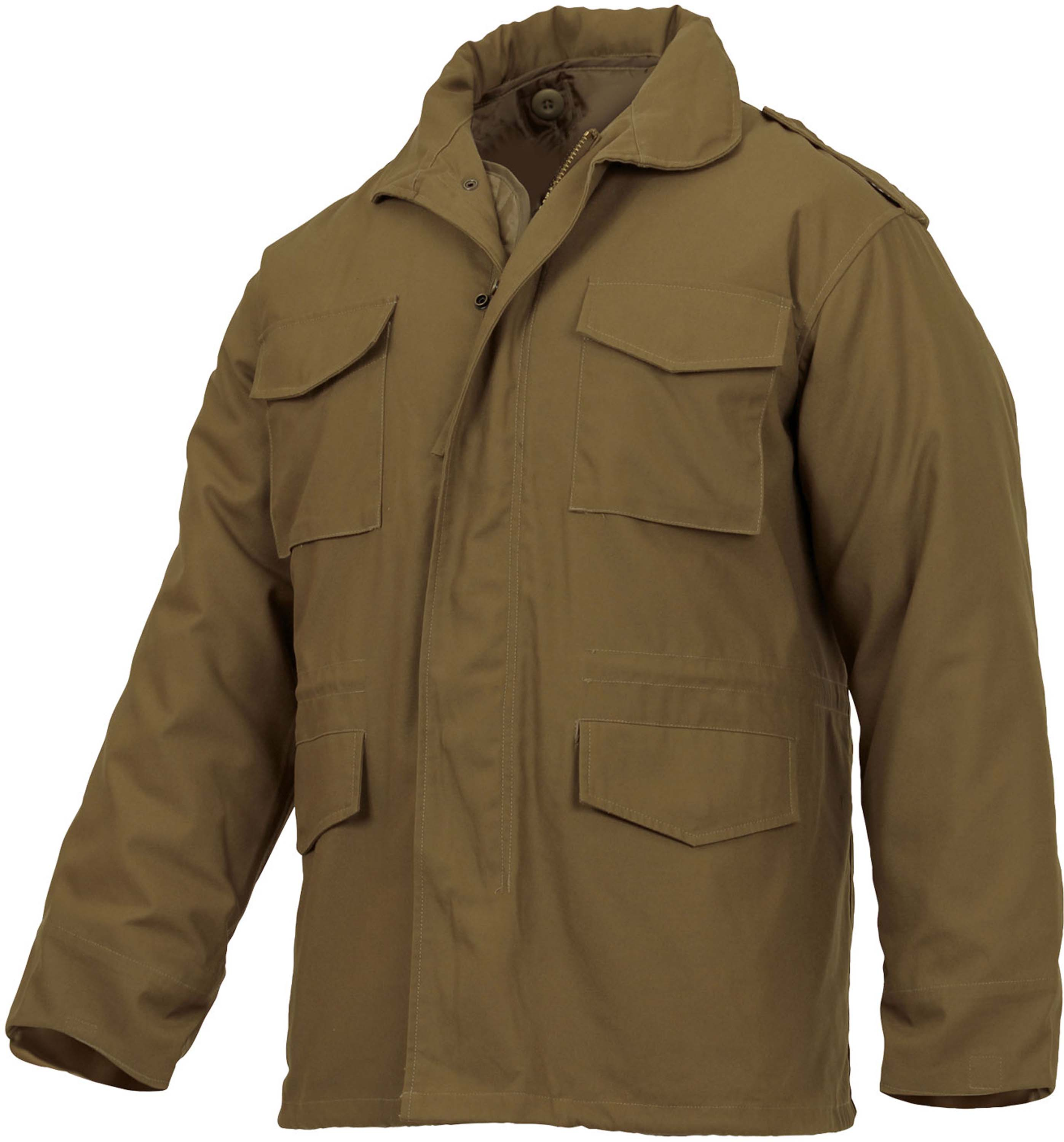 The right jacket for you depends on where you plan to wear it and what activities you plan to participate in. Generally, you should choose a down jacket when you need to stay as warm as possible and when weight is extremely important. For example, if you’re planning on hiking, traveling, or doing a lot of moderate-effort outdoor activities in the winter, a down jacket is often the best bet because you won’t get as cold, and you don’t have to worry about lugging around a massive jacket all day. Additionally, it is particularly well-suited to high-altitude activities, as these are cold, dry areas. If you’re looking for recommendations for high-quality down jackets, we have tons of options! Check out the Kryptek Ares Winter Jacket if you’re looking for a camo hunting jacket that will keep you toasty throughout the entire winter deer season. For a down jacket that’s a bit more professional and can be worn everyday, we recommend the Outdoor Research Helium Down Hoodie, which has an adjustable hood, plenty of pockets, and is available in several colors.
Alternatively, you should opt for a jacket that uses synthetic insulation if you plan to wear the jacket during wet weather or high-sweat activities, such as cross-country skiing and running, as the synthetic insulation will help repel the moisture. Another good reason to opt for synthetic insulation is if you’re buying a jacket for a child. Children grow quickly and instead of spending a lot of money on a down winter jacket that will only fit them for a single season, it’s often better to buy them a good jacket that uses synthetic insulation but is a little bit cheaper. Then, you can resell or donate the less expensive option when they need a new size. You should also get a winter jacket with synthetic insulation if you just need something simple for quick trips outside, such as shoveling snow from your patio or getting the mail, as you don’t have to worry about carrying around the extra weight for long periods. One of our top options for a reliable winter jacket with synthetic insulation is the Fjallraven Expedition X-Latt Jacket, which is extremely durable, water-resistant, and has zippered pockets to keep your accessories safe. For long winter trips, the Black Diamond Solution 4.0 Parka is an excellent choice, as this heavy-duty jacket has a helmet-compatible hood and a front zipper that can work with a two-way belay device for all your outdoor adventures.
Stay Warm & Cozy With Help From OpticsPlanet!
This winter, do all your seasonal shopping at OpticsPlanet to save big! We have a huge selection of Men’s and Women’s Apparel, so whether you’re shopping for new tactical pants, winter boots, or baselayers for your next outing, we have you covered. And don’t forget to check our Deals page to save big on your favorite brands and products!
