 Your Browser is Outdated


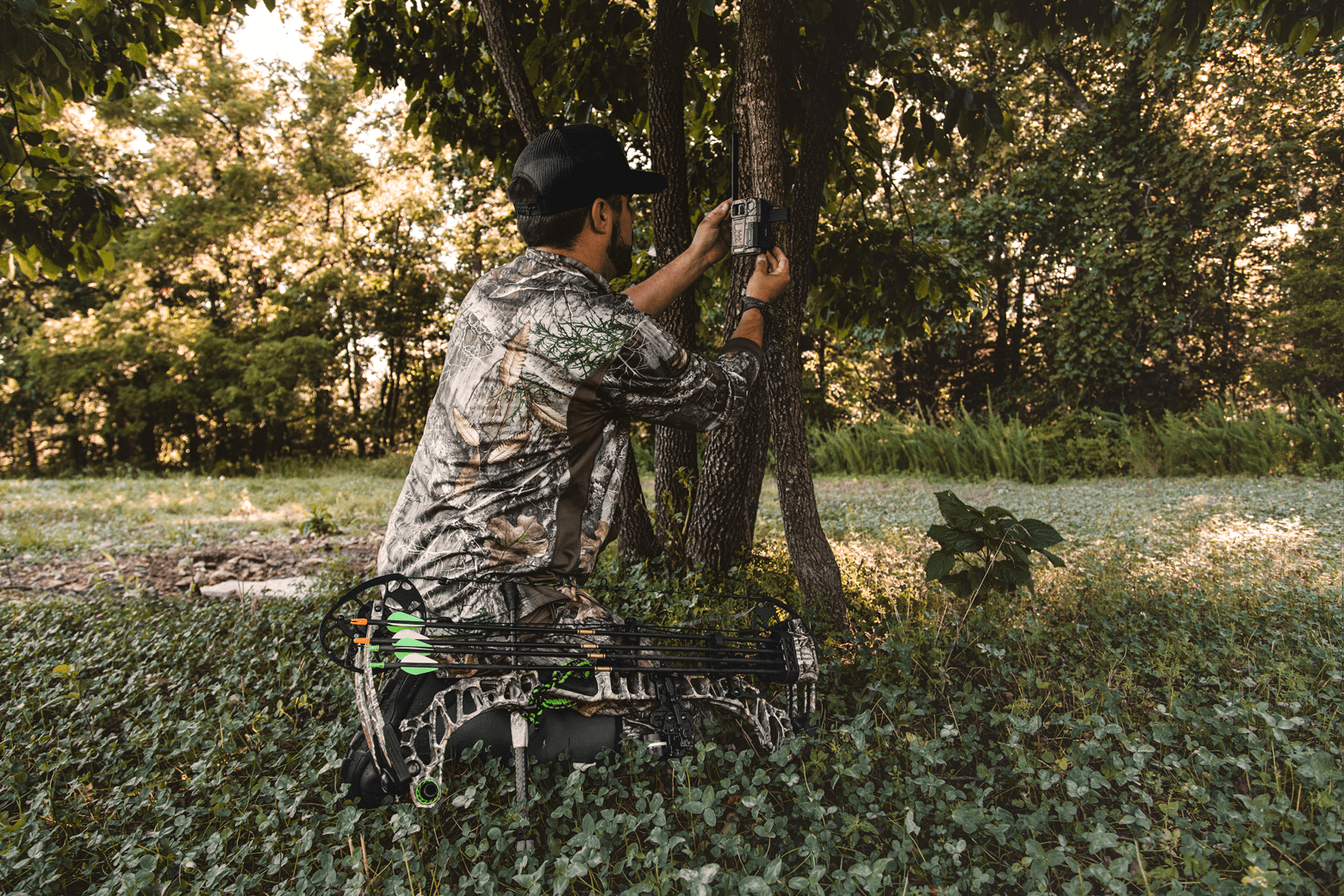 Getting the best trail camera shots can be tricky, but if you know how to set them up and tune them to your needs, they are great assets. Trail cam pictures are a great way to know where the animals are and where they're going. Game cameras are most often used as a deer camera for hunting or for wildlife observation. In this article, we'll give you some tips for getting started or improving your results for trail cam photos.
Although this article covers primarily hunting trail camera tips, they are also useful for nature lovers and the security-minded. Trail cameras have not just changed how we scout for animals but also how we observe wildlife in their natural habitat or safeguard property in remote locations.
Best Trail Camera Setups
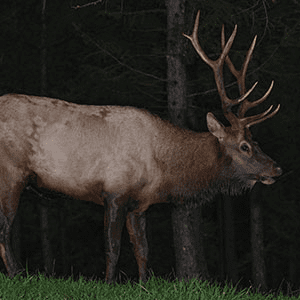
A good deer camera setup is applicable to any target species and is best for patterning their behavior to determine if it's even worth spending valuable time on a certain location. It can also help you zero in on a particular animal and get to know its specific habits. Whether you're using a live deer cam that accesses a cellular network to send you images or a more traditional camera that uses a memory card, these tips are all applicable.
The only difference to note is that you'll need to ensure you have a good signal on the live cellular trail cameras. Here are some tips for the best game camera setups. There are a lot of schools of thought on the subject, so these may just be guidelines for you to tailor to your specific situation.
Face North
Although this may be obvious to some, others have had to learn this mistake firsthand. Never set your trail cam up facing east or west, as the lens will face direct sunlight during sunrise and sunset. This is when animals are most active, resulting in whiteout images that don't offer much more than a psychedelic headache. If you can't set it north-facing due to the particular geology you're working with, then south will suffice. You'll get more sunlight but won't be trying to overcome the hurdles that east and west present.
Where to Set Up a Trail Camera?
You should set up your trail cam along known trails with clear, fresh signs like scat and tracks. Here are some other tips to consider.
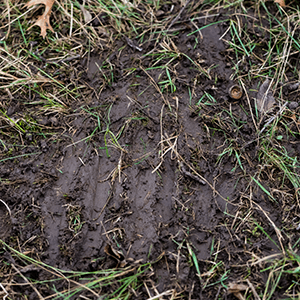 For Elk or Hogs, Set up Near Wallows
These are shallow, muddy holes that animals roll around in. Bull elk do it during the rut to spread their scent and pheromones all over themselves, making them (hopefully) irresistible to cow elk. Hogs do it to cool off, scrape off parasites, and some speculate it's a way of marking their territory.
If You're Hunting Deer, Look for Scrapes
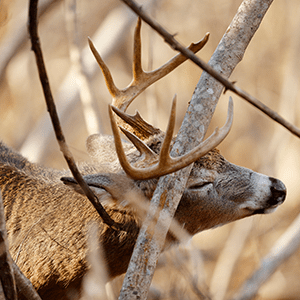
Mule deer scrapes can be harder to identify than whitetail, but when you're setting up a game camera, these are prime spots that deer use to communicate and are heavily trafficked. It's sort of a bulletin board showcasing who's been coming through the neighborhood.
Facing Potential Food Sources
Even if the food's running low by the time hunting season kicks into gear, they'll still be traveling in the area. If it's legal in your area, hunting bait like salt and mineral licks can be used to your advantage (especially if a farmer doesn't like you hanging around their property).
Water Sources Are Good, But You Don't Have to Stick to the Rivers and the Lakes That You're Used To
Many animals like to exploit out-of-the-way watering holes like spring seeps and troughs full of rainwater. Spring seeps, where water comes up from the ground but doesn't run enough to make a stream further down, can be particularly good spots for trail cameras because trees have grown up around them and provide concealment as they slip on down to the oasis.
Bedding Areas Are Good, Particularly if They Look to be Used Fairly Often
A lot of deer and elk are transient and may not stay in the same place every night. However, in bad weather, they'll tend to gravitate to places that are known to provide good cover.
Avoid Longshots and Falling Short
10 yards is a good goal for your pictures. Less than that and you run the risk of a whole bunch of pictures of deer rumps and little more. Too far out and your trail cam may not trigger at all.
 How Should You Position a Trail Camera?
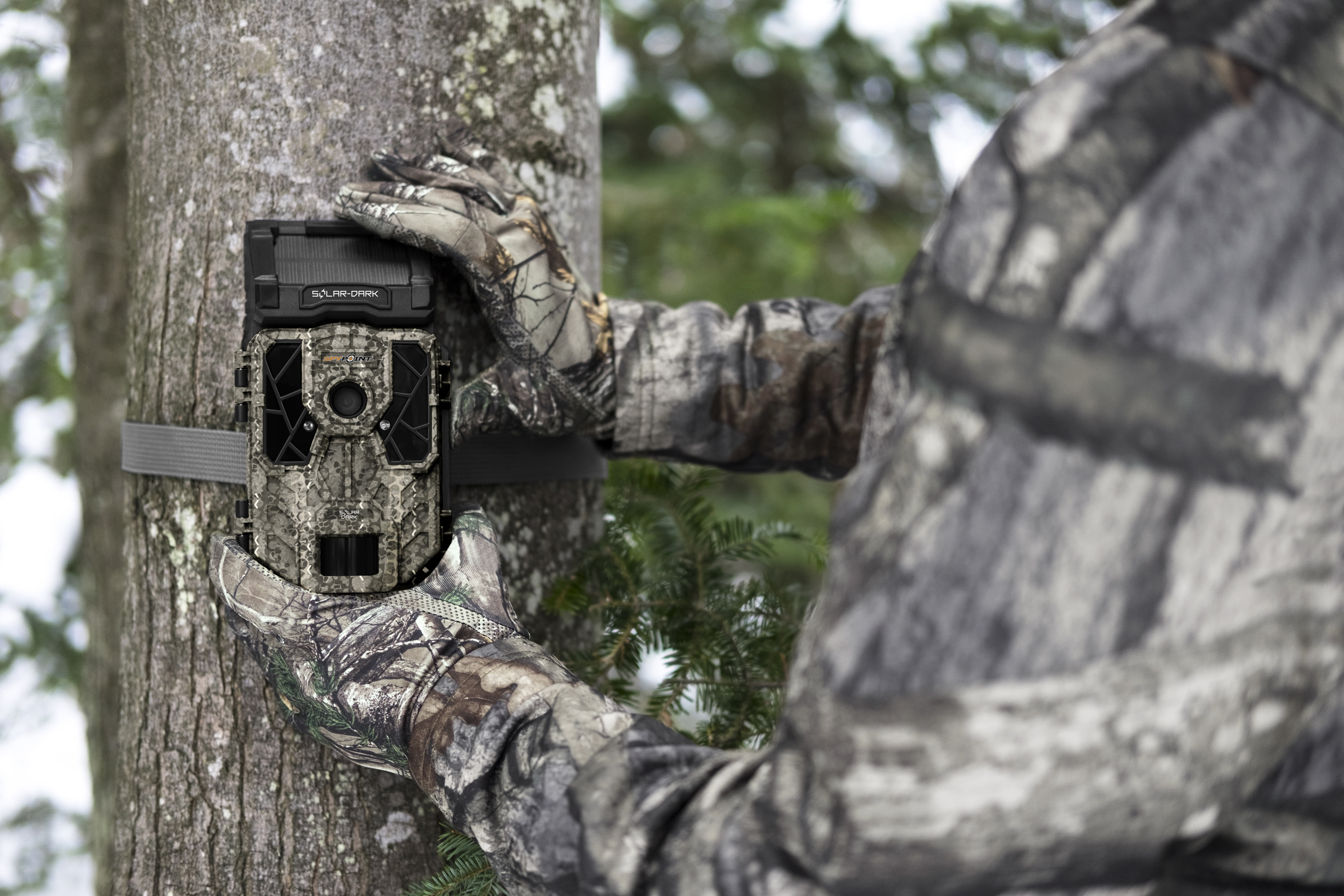
This is where opinions can really get mixed. There are those who insist that it needs to be mounted 3-4 feet off the ground to be on a deer's level. Others maintain that this will spook deer, so you should go with six feet. Still, others say that the risk of camera theft is so high that even with trail cam accessories like cable locks and lockboxes (which are highly recommended for both public and private land), you should mount them 10 feet off of the ground and angled downward. Try a few sets and see what works best for you, mix them up when you're setting the height, and don't be afraid to be flexible.
Foliage: Friend Or Foe?
You can and should use existing natural foliage for camouflage around your camera setup. Make sure that your trail cam still has a wide field of view though, since even a light breeze will cause a false trigger, and you'll get useless shots of branches and grasses swaying in the breeze.
Set the Right Angle
The temptation is always to setup pointing straight at the trail, but it's a mistake. It doesn't give the camera enough time for the shutter to capture whatever triggered it. Instead, angle about 45 degrees to the trail to capture them as they approach or move away. This will also give you a wider field of view for optimal results.
Start Where They're Moving
If you're just strapping your camera to a tree and hoping for the best, it's really no different than just hiking along a trail and hoping to see something. You can't force animals to be where you want based on your own access trails, avoiding private property, or within sight of your tree stand. As you see which way they're moving and patterning their behavior, you can move your cameras further down the trail to help you scout out a spot to focus on and set up your stand or blind.
What Should You Do Before Setting Up a Trail Camera?
Practice with Your Game Camera at Least a Day Before
Mess around with it, see how far out it triggers, how close is too close, etc. Reading the box or product info is great when you're shopping, but the reality may be somewhat different than advertised.
Use the Proper Batteries
If your unit isn't solar-charging, avoid rechargeable batteries. They don't hold a charge as long as others. Alkaline batteries are a bare minimum, but lithiums are generally considered superior as they hold a charge up to 30% longer and perform much better in cold weather. Don't try to rig them to an ATV or tractor battery; this can fry your camera and will void your warranty. Some models have separate batteries that can be used this way and are specifically designed for the purpose and equipment.
Use the Suggested Memory Card.
The manufacturer of the game camera often has a preferred brand of memory card, so make sure to use what they recommend. Also, format the card before you take it to the field. Using other types of memory cards can result in improper formatting or more battery drain.
 Set the Date and Time
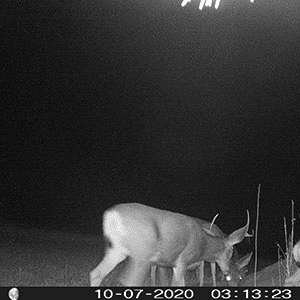
Many units will also include the moon phase when you do this, which is a real bonus once hunting season comes around.
Adjust the Trigger Sensitivity So That You're Not Missing Animals or Getting False Triggers
Some of the best hunters in the field recommend a lower game camera sensitivity and 30 seconds to 1 minute between pictures to ensure you maximize your battery life while still getting that big buck or bull on camera.
What Are the Final Steps Once You're in the Field?
Video Uses More Battery and Memory, So Stick to Pictures if You're Leaving the Camera Out for Extended Times.
If you've got a target animal picked out closer to hunting season, that would be the time to switch to video to get a feel for how skittish they are and what kind of feeding and breeding behaviors make up their average day.
Set up Multiple Game Cameras
This can be cost-prohibitive for some, and that's okay. Add one more camera to your kit every year, and you'll have a fair collection in no time.
 Checking Your Game Cameras Frequently can be Tempting, But Unless You're Using a Cellular Camera, This can be a Bad Idea
Your presence will put pressure on the animals and spook them out of the area. Check every other week or so, use scent control when you do, and try to go right before rainstorms that will wash out any people-smell you leave lingering around.
So there you go, and hopefully out you go! Trail cams can be a lot of fun, whether or not you hunt, and they will get you out in the field more (never a bad thing). Bring the whole family, it'll allow for some outdoor bonding and get kids interested and involved in wildlife and the natural sciences. Shop OpticsPlanet.com for trail cams, accessories, and a whole bunch of other hunting gear for your outdoor pursuits!


