 Your Browser is Outdated


Whether you’re new to shooting entirely or just the realm of shooting competitions, getting started and competing against other people is an exciting way to have fun, build skills, and practice your marksmanship. One of the most popular types of shooting sports is PRS, which stands for Precision Rifle Series. This shooting sport prioritizes practical shooting and involves hitting targets at a variety of distances, some of which can be quite far away. While this is difficult without some practice and training, one of the most important factors in improving and doing well at competitions is your rifle.
Every part of the rifle matters when taking long-range shots, which is why many competitors opt to build their own, ensuring it is perfectly customized to their unique needs. If you’re looking to get into PRS competitions or just need help building a rifle that can reliably ring steel at a massive distance, here are some tips to help you with that process.
1. Start With the Caliber
Building a rifle is an involved process, and it starts with selecting the action of your rifle. Traditionally, bolt-action rifles are used in PRS shooting, but there is an entire gas gun division that is dedicated to semi-automatic firearms as well. This means the first step in building your PRS rifle is to choose whether you want to participate in bolt-action or gas gun events. Since bolt-action is the most popular and widely used, that’s what this article is going to focus on.
While bolt-action rifles are not as complex as an AR15 or other modern semi-automatic rifles, there are still plenty of parts to choose from when it comes to putting one together from scratch. To that end, the first item you need to decide on is the caliber you want to shoot. This is a necessary distinction because it will guide your choices for every other piece. The most popular calibers are fairly niche 6mm rounds, including 6mm Dasher and 6mm Creedmoor. However, there are also more widely available calibers that are popular, including 6.5 Creedmoor and 7mm PRC. Each one has a wide variety of pros and cons, but all of them were originally designed for maximum accuracy at a distance. The best way to decide which one you want for your rifle is to test them and see what works for you. Often, you can do this by renting firearms from a shooting range or even just asking other competitors and enthusiasts if you can test their rifles. If you can’t test out other calibers, then going with a popular option is an excellent choice, especially for your first rifle. This gives you a baseline to build from in the future if you decide you want a different caliber or style.
2. Build the Body
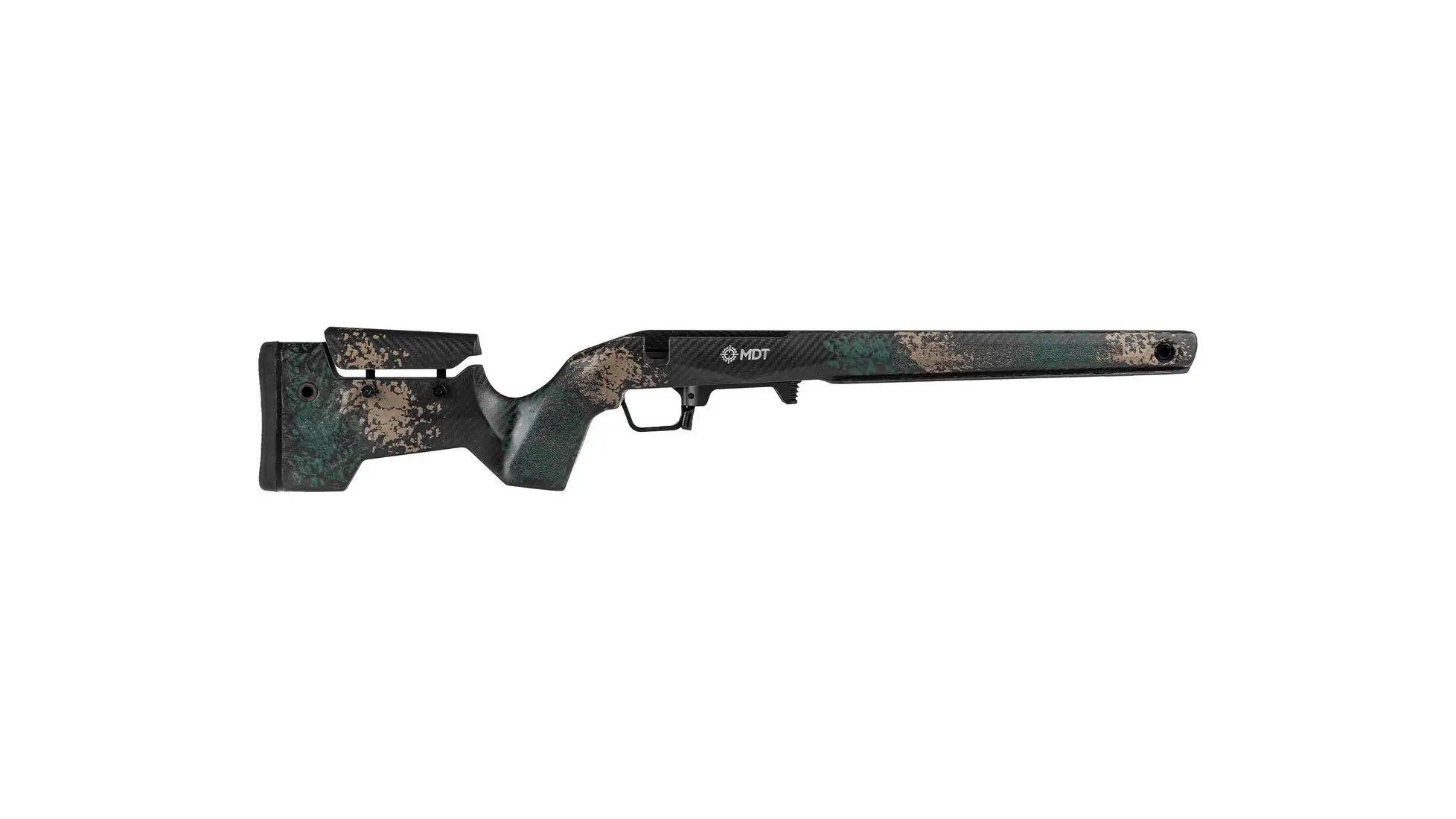 Once you’ve determined the appropriate caliber for your rifle, the next step is to actually start picking parts that will fit together. Most shooters start by selecting their rifle action based on the length they need. The three main options are: short-action, long-action, and magnum-length action. If you’re curious to learn more, check out our Rifle Action Lengths How-To Guide that explains each one in more depth. Essentially, though, the caliber determines the action length, with the vast majority of PRS calibers using short-action rifles. Once you’ve matched your caliber with your action, the next step is to get the receiver that houses it. Following that, it’s time to expand the rifle by selecting a bolt action rifle stock, also known as a chassis system, as well as a barrel.
These three components take up the vast majority of the rifle, so it’s necessary to do your research and find out what works for you. For example, barrel length is extremely important when it comes to long-range accuracy, so testing various lengths can help you get an idea of what you need. Additionally, the stock you use for your rifle affects every aspect of shooting. If you want a traditional, classic feel, there are hardwood bolt-action rifle stocks that are tough and durable. Alternatively, you can opt for a modern chassis system that combines a variety of lightweight alloys and materials to give your rifle a sleek, minimalist look that is designed for maximum ergonomics and reliability. Either way, there’s no concrete answer as to what the right choice is; you have to pick what you are most comfortable using.
3. Select the Trigger
After getting the largest pieces together, the next step in putting together a PRS rifle you can be proud of is installing a high-quality bolt-action rifle trigger. Many people consider the trigger as the most important part of the rifle, and there are plenty of arguments to support that. To add even more pressure to choosing a trigger, there are thousands of options out there, so you can be overwhelmed with choices if you don’t know where to start. The first step is easy and allows you to significantly narrow down your choices, as bolt-action triggers are not as universal as AR15 triggers. Instead, the trigger is designed to work with a specific receiver or action. For example, if you plan to use a Remington 700 Receiver, then you will need a trigger that is designed for use in a Remington 700 rifle.
Once you’ve reduced your choices, the next step is picking what type of trigger you want. Specifically, this refers to choosing between a single-stage trigger and a two-stage trigger. Both trigger styles are effective, but for PRS competitions and overall accuracy, it’s hard to compete with a well-made two-stage trigger. As the name suggests, a two-stage trigger is pulled in two separate stages, so you’ll encounter a break in the trigger movement that marks the end of the first stage. This reduces the overall trigger pull of the rifle so that you can line up your shot, rest on the first stage of the trigger pull, and then give the trigger a slight squeeze to fire a round. This is a significant benefit because it greatly reduces the likelihood of pulling your shot or using too much finger pressure. However, a two-stage trigger is not a requirement, and some shooters prefer single-stage variants and perform very well with them; it just takes a lot of practice. Either way you choose, we have tons of high-quality rifle triggers from brands like Triggertech and RISE Armament. We also have a Single-Stage vs. Two-Stage Rifle Trigger guide if you want to learn more about each one.
4. Finish With the Optic
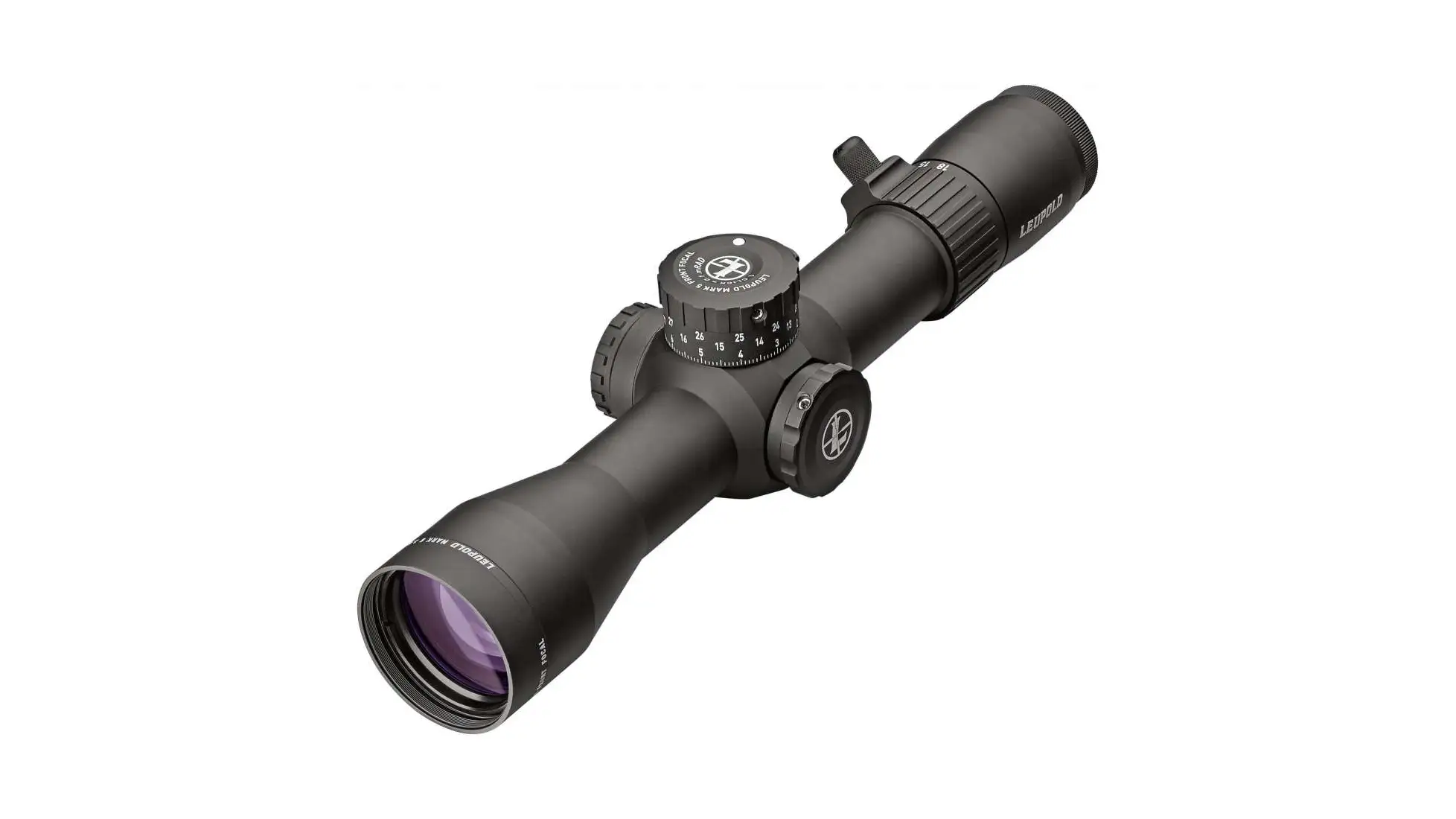 For the people who don’t think the trigger is the most important part of a long-range rifle, that distinction almost always goes to the rifle scope. This makes a lot of sense, as without a reliable optic, there is an extremely small chance you can even hit the targets at the distances used in PRS competitions, which can range from 300 yards to 1,000 yards. This is a significant difference, so when shopping for a rifle scope, you should start by determining what range you are comfortable shooting at, as this can greatly affect which optic is best for your rifle. For example, if you’re going for extreme long-range shooting, you will need much more magnification on your rifle scope than someone who prefers to shoot from 400 yards away or less.
One way to give yourself more versatility is by opting for a variable power scope instead of a fixed power scope. Variable power optics let you adjust the magnification, giving you the tools you need to tune the scope for each shot. This is essential if you want to compete in different scenarios where the distance to the targets changes regularly, giving you a lot more freedom to work with. Some of the most popular rifle scopes that fall into this category are the NightForce ATACR series and the Leupold Mark 5HD family of optics. While more expensive than other options, these rifle scopes are made with top-tier materials to ensure your glass is precise, durable, and reliable.
Generally, a maximum magnification of 25x to 30x is more than enough for PRS competitions, so you don’t need to go overboard. However, if you’re still getting the hang of long-range shooting, there’s no need to jump off the deep end with a top-of-the-line rifle scope. We carry thousands of excellent optics from brands like Vortex, SIG SAUER, Trijicon, and more that cost less without sacrificing reliability or power. Plus, by opting for a more “beginner” long-range scope, you can find out what features you like and dislike, dictating future purchases.
Set Your Sights on OpticsPlanet!
Getting into shooting competitions like the Precision Rifle Series is one of the best ways to practice your skills and have fun, and OpticsPlanet is here to help you get everything you need before you sign up! Whether you’re looking for specialized reloading equipment to help you customize each round or you want to buy ammo from different manufacturers to compare ballistics, we have it all. We even have chronographs and shot timers, as well as plenty of other shooting accessories to help you make the best build possible.


