 Your Browser is Outdated


From hunting and birdwatching to sightseeing and participating in search and rescue missions, there are countless reasons why you may want to get a better look at your surroundings. Thankfully, there are plenty of devices to help you get a superior view of the environment, with two of the most popular options being binoculars and monoculars. Each optic has its own benefits and is better suited for different purposes, so if you’re new to buying these products, it can be difficult to decide which one is best for you. To help you get the information you need, here is everything you should know about binoculars and monoculars.
How Do You Pick a Good Pair of Binoculars?
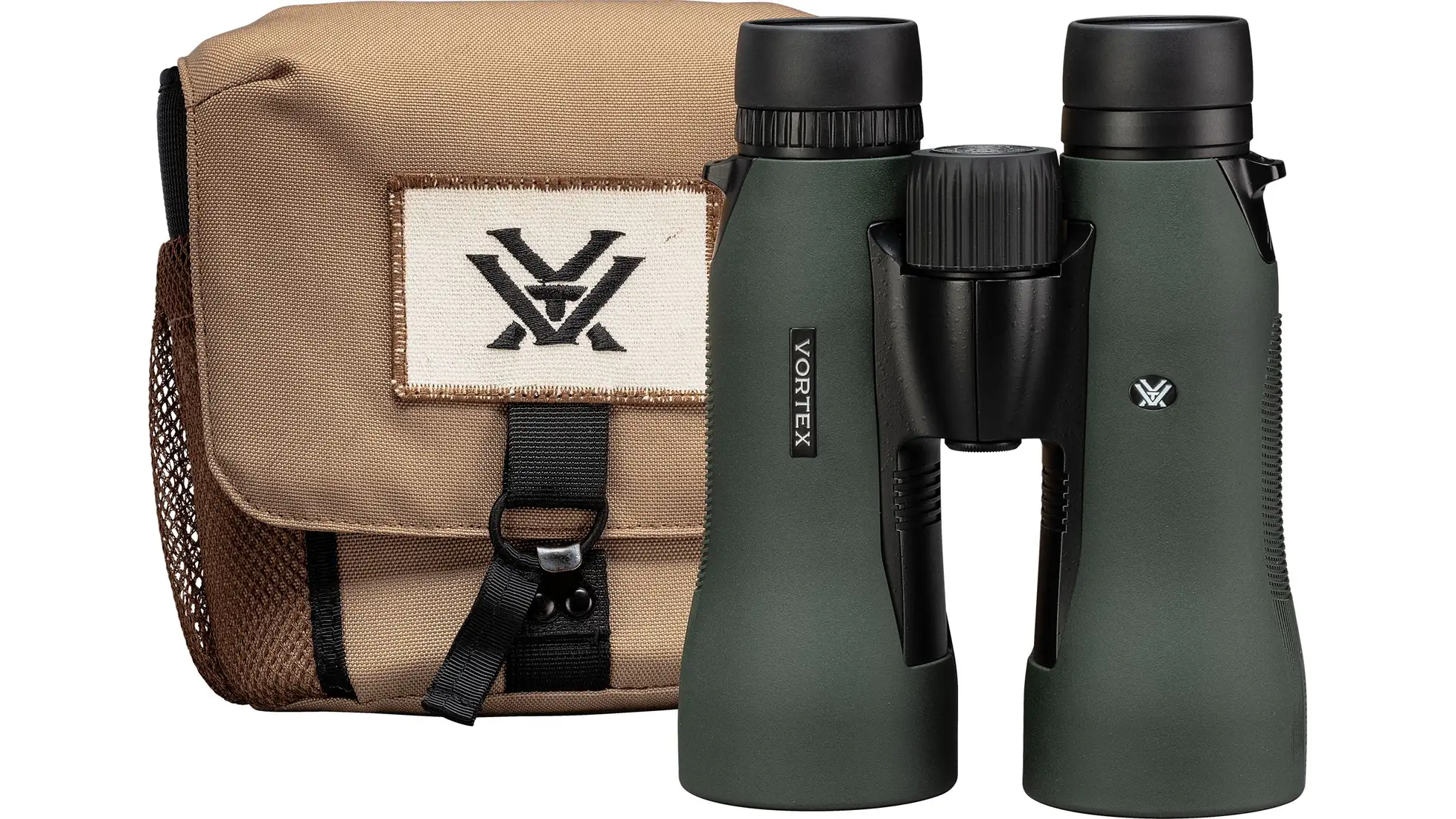 Picking a solid pair of binoculars starts with determining how you plan to use the optic. Binoculars, as the name implies, are two optical tubes that are connected in the middle, allowing you to see a magnified image through both eyes at the same time. This provides a greater field of view and depth perception, allowing you to get more detail while you’re viewing. Additionally, binoculars allow for a much higher magnification than monoculars, as the increased detail helps offset some of the issues that can come from extremely magnified images.
With that being said, you should choose binoculars for things that require you to be pretty far away from the target you want to view. For example, if you’re planning on doing some long-range shooting, binoculars will help you make out your target at several hundred yards away. They’re also an excellent choice for birdwatching, as birds are not prone to sitting in one location and may range far away from you as you try to line up the view. Sightseeing is another excellent choice for grabbing a pair of binos since you might not be able to get up close to a large landmark safely.
What Type of Binoculars Should You Get?
Aside from standard binoculars that provide a magnified image, there are a few other types that can be an excellent option for more specialized scenarios. Specifically, thermal binoculars and night vision binoculars are specialized tools that provide extreme detail in certain settings. For most civilian applications, standard binos are going to be the best choice, as you won’t need to see heat signatures or track something in the dark. However, for things like predator hunting and tactical operations, being able to use the binoculars at night or to spot your target behind brush and other thin concealment can be crucial.
Are Monoculars Better Than Binoculars?
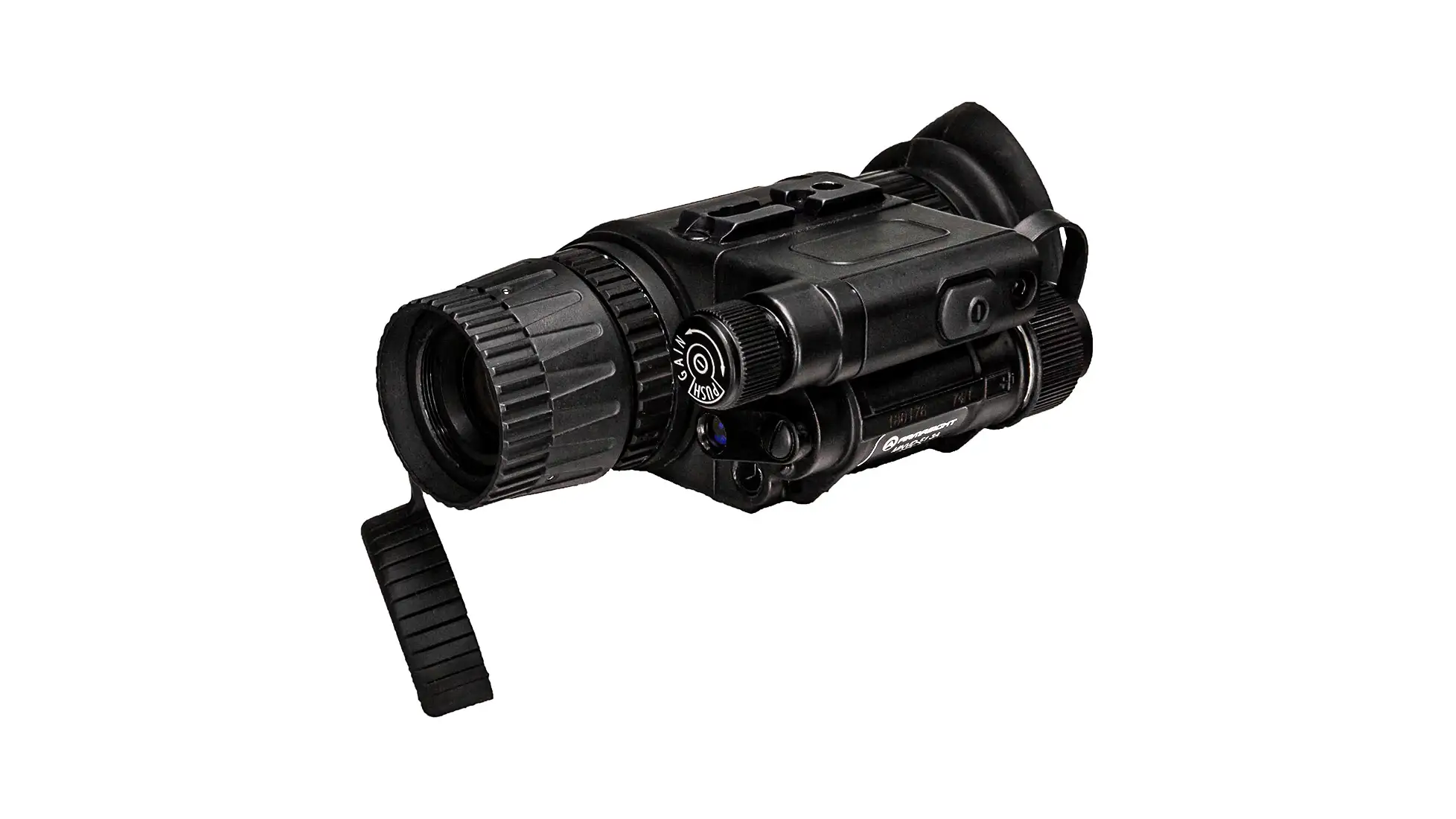 This answer depends on how you plan to use the optic, just like with binoculars. In some cases, a monocular is a superior choice due to its specific benefits. To start, monoculars often weigh much less than binos, so they’re an excellent choice for casual viewing on the go. You don’t have to worry about a neck strap or specific pouch to hold a monocular, as they can fit in a small bag or even a pocket while you’re hiking and moving around. Monoculars are also magnified, but unlike binoculars, the magnification isn’t nearly as high because there is only one tube. Without the ability to see through both eyes at the same time, a high magnification can make the image difficult to see and understand.
Some of the best use cases for a monocular are low-intensity and medium-range viewing. For example, most hunters can benefit from using a monocular over a pair of binoculars, as you often won’t need to scout your target out further than 200-300 yards. Plus, you don’t usually need to make out fine details on the deer or other target you’re hunting, so sacrificing some magnification for the increased portability helps keep you light and on the move in the woods. Monoculars can also be an excellent choice for search and rescue workers and park rangers, as traversing through a forested area often has too many visual obstructions to fully capitalize on high magnification.
What Are the Different Types of Monoculars?
Also like binoculars, there are also thermal monoculars and night vision monoculars that provide unique views for specific scenarios. These are generally for more serious applications, such as predator hunting which often occurs at night. A thermal monocular can help you spot a predator or dangerous animal while it is behind brush or lurking in the night, ensuring you stay as safe as possible. Digital night vision monoculars can be even better for search and rescue teams, as many options allow you to switch between standard viewing and night vision, giving you a tool for all parts of the day in your job.
Should You Pick Binoculars or a Monocular?
The best optic for your needs comes down to a lot of factors, including personal preference. To help you make a decision, here is a quick list of the pros and cons for both options
- Binocular Pros:
- High Magnification: You can see much further with a pair of binoculars than you can with a monocular.
- Greater Detail: For fine viewing and gathering the most information possible, binoculars are the better choice.
- Increased Field of View: When you need to survey a wide area of land, binoculars let you see much more at once.
- Binocular Cons:
- Weight: Binoculars are much heavier than a monocular, especially at high magnifications. The higher the magnification, the higher the weight.
- Price: Generally, high-quality binoculars are more expensive than monoculars, as they have two tubes with specialized lenses. This is even more true for night vision and thermal models.
 Monocular Pros:
- Portability: Monoculars are often much smaller than binoculars, so they’re easy to transport and store away when you’re not actively using them.
- Price: A reliable, powerful monocular is often much cheaper than a comparable pair of binoculars, as manufacturers only need to design technology for a single ocular tube.
- Ease of Use: A monocular is an extremely simple device, allowing you to raise it to your eye and immediately see what is going on around you. You don’t have to worry about adjusting it each time you want to see something.
- Monocular Cons:
- Reduced Image Quality: While a monocular using high-quality glass and the proper coatings can still be crystal clear, as the magnification goes up, you’ll lose some detail due to only using a single viewing tube.
- Lack of Depth: Depth perception depends on both eyes working together, so when using a monocular, you lose out on the depth and scale of some objects.
Pick up a Brand New Optic Today!
Regardless of why you’re shopping for binoculars or a monocular, our team at OpticsPlanet has assembled the best options from top brands in the industry all in one place. We can help you gear up for any situation, so check out our sport optics store today. We also have tons of spotting scopes and rifle scopes for other situations where you might need to get a better view.


