 Your Browser is Outdated


If you're getting ready for a trip into the backcountry, knowing how to purify water should be at the top of your list. In this article, we'll cover the benefits of a camping water filter, a camping water jug, and how to purify water in the wild. If you're going on a vehicle-based overland trip, backpacking, or just planning a family camping trip, water is an essential element that can make or break any trip in a hurry.
As you read this, you'll want to consider the size of your group and any health conditions they may have. Sometimes, the best solution is to ensure each person has their water filtration system and any group system you want. Always educate children on the dangers of dirty water and ensure they follow proper precautions to avoid getting sick. A kid with diarrhea is never fun, but it's both miserable and dangerous in the backcountry.
Why Does Water Need to Be Treated?
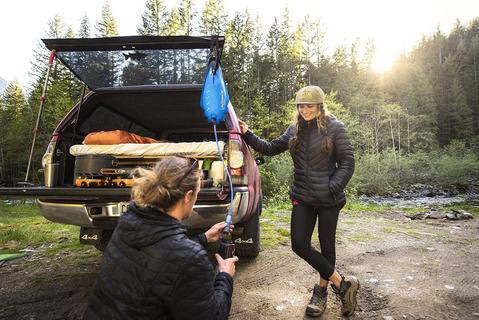
Access to clean water is essential for basic survival, no matter where you are. In the backcountry, all water is not safe to drink and must, therefore, be treated before being consumed by humans. In the wild, water is often contaminated with protozoa, bacteria, mold, fungi, and other microorganisms that can make you sick. Many of these contaminants come from natural sources like the decomposition of plants and animals or the feces and urine of animals. In some cases, humans also pollute water through careless camp cleanliness or outright pollution. The World Health Organization (WHO) estimates at least 485,000 deaths a year are caused by untreated or contaminated water.
There are some myths that sure water doesn't need to be treated in the backcountry that you may hear or read. Let's just get those out of the way right now:
- I'll already be home by the time I get sick. First, why in the world would you risk getting sick at all? Second, although some water-borne illnesses can take weeks to present, others can start as soon as 4 hours after exposure.
- Clear, running water is safe to drink. This is faulty logic because clear water can still contain many contaminants. You cannot see microorganisms, and the speed of running water doesn't wash them away.
- Since this is a natural spring, the water is safe to drink. Water bubbling up from the ground may not be spring water; it could just be water traveling underground before it resurfaces. The U.S. National Park Service advises treating all natural water sources you ingest, even if you believe it to be pure spring water.
- If my dog drinks the water, it's safe for me. Dude, gross! This old chestnut gets passed around the campfire, and it's just plain wrong. Dogs and humans have very different digestive systems and tolerances for other microorganisms. Consider what you've probably seen a dog chow down and how sick you would be if you tried eating it. Dogs eat poop and seem none the worse for wear, but it would make people sick. Our canine companions can alert us to many dangers, but dirty water isn't one of them.
Water That Needs to Be Treated Before Use
It's not just drinking water that needs to be treated. You must consider all the different ways you use water and how it might allow pathogens into your body. All of the following need to be treated before being used:
- Water for cooking: Treat it before cooking if your recipe calls for water. Don't assume that cooking will always simultaneously treat water.
- Preparing drinks: Powdered drinks that require water should only be mixed with treated water. Alcohol will kill surface germs but needs a minimum solution of 60% alcohol (120-proof). Most alcoholic beverages don't contain that much alcohol, so the best practice in the backcountry is only to drink prepared alcoholic beverages from clean containers. Remember, alcohol dehydrates the body and will require more clean drinking water no later than the following day.
- Washing cooking utensils: Pots, pans, plates, cups, and all utensils used for preparing and serving food need to be washed with treated water. Washing with untreated water and air drying won't guarantee against illnesses.
- Personal hygiene: When you wash your hands or face, shower, or even brush your teeth, you should only do it with treated water. If you go for a dip in the local lake or river, take care not to swallow any or get it into your mouth, nose, or eyes. After a swim, always wash up afterward. Many people who have taken great care to treat their water have still wound up sick with a waterborne illness from failing to clean themselves after contact with natural water sources. When nature calls, make sure that you're doing your business at least 200 feet away from any water source to avoid contaminating it. In groups, this is easiest by establishing the latrine as soon as you're making camp to ensure proper camp sanitation.
Keep any water container used to gather untreated water separate from clean water containers, and never try to use them to collect and store water. An easy way to do this is to use a different color of cap or bag, like red, to indicate that it's untreated and unsafe. Another method is simply using a marker to write "DIRTY" and "CLEAN" on your separate containers.
How to Purify Water in the Wild
The first thing to understand is that the term "treating water" is a lot more accurate than "purification." Treatment refers to anything you do to make water safer: filtering, using chemicals, boiling, or purifying. Filtering removes visible contaminants like dirt and invisible ones like protozoa, bacteria, and pollutants. Purifying kills viruses that may be present in the water, often caused by untreated sewage contaminating the water supply. Filtered water alone isn't purified, and purified water alone isn't filtered. Purification is most often needed in less-developed areas or those with a higher human population. Generally, most backcountry adventurers combine water treatment with water filtration and purification.
Even campgrounds may not have any water treatment, so it's essential to check beforehand and never assume their water is safe. Instead, consider that the water won't be purified and plan accordingly by bringing enough supplies.
Camping Water Filters
There is plenty of variety when picking a camping water filter, but they have their pros and cons.
- Water Filter Straws
- Pros: usually inexpensive, lightweight, compact, easy to use directly from the water source or a water bottle, often has integrated water purification.
- Cons: Straws that filter water are only suitable for one person at a time, most don't have replaceable filters, and they are difficult, if not impossible, to use to treat water for other uses like cooking or cleaning
- Pump Filters
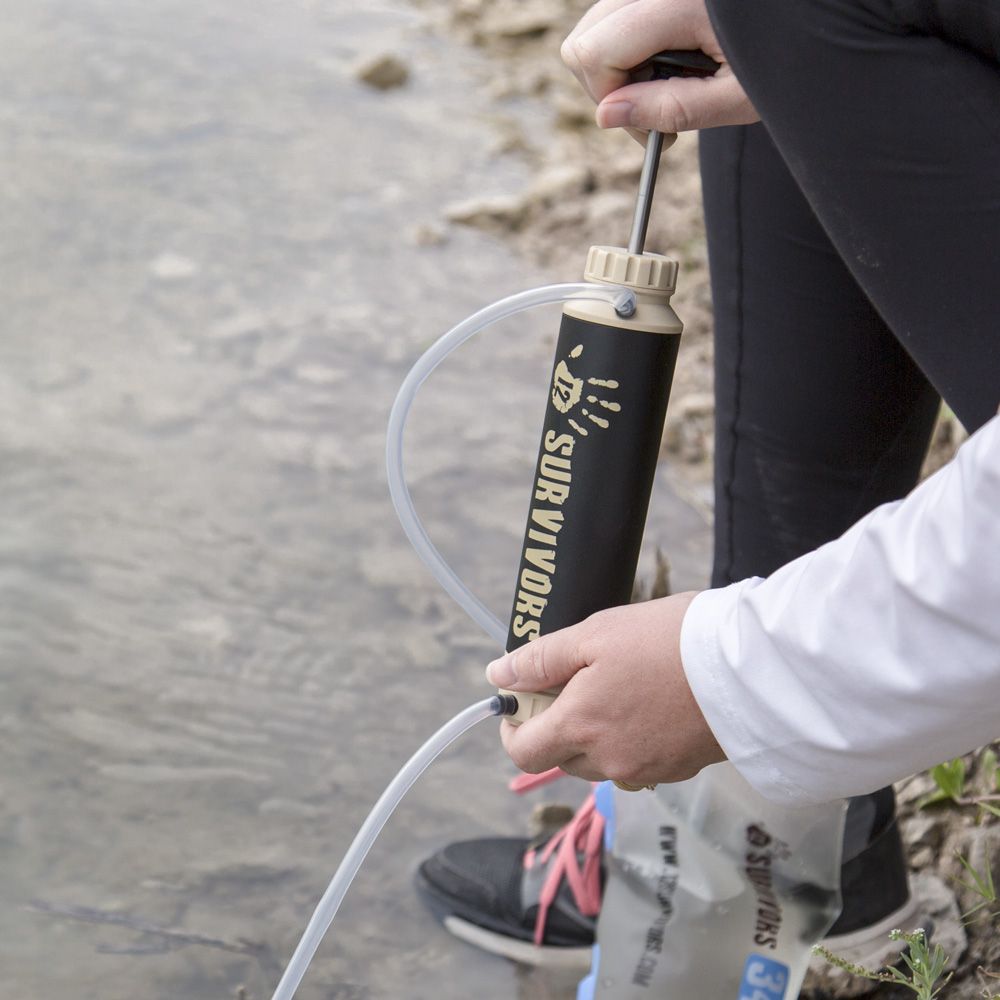
- Pros: allow you to treat water for a variety of uses, allow you to easily gather water from very shallow sources, replaceable filters that can be field-cleaned
- Cons: Pumping quickly becomes a tedious chore when treating larger quantities of water, can freeze up and break in cold conditions, and can be heavier and bulkier than other filters
- Gravity Water Filter
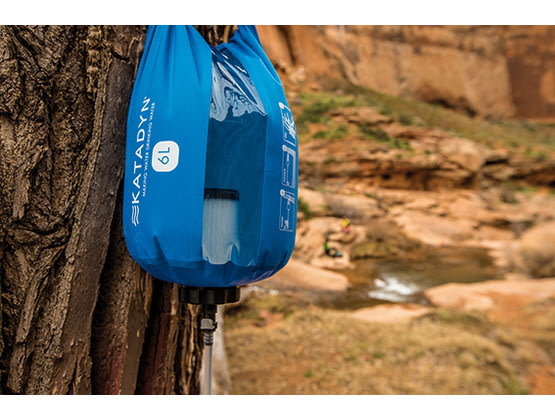
- Pros: Great for small groups, just fill the reservoir and allow gravity to do the work, allows treating water for a wide variety of uses, can often be converted directly into camp showers
- Cons: slower than other systems, requires a hanging spot to work, filling reservoir from shallow sources is very difficult
You can look into other methods to filter water in the wild using improvised systems of cloth, sand, charcoal, and other components. However, these emergency survival methods could be more practical, reliable, and time-consuming as a primary clean water source for a fun camping trip.
Water Purification
As we said above, water purification is a different type of treatment that is frequently combined with filtering to ensure the cleanest, safest water possible. How to purify water can vary depending on your conditions, but again it's best to filter all water before purifying it to remove all other particles.
- Boiling Water: Make sure you bring the water to a rolling boil for a full minute. If you're over an elevation of 6,500 feet or just want to be extra-sure, maintain the rolling boil for a full 3 minutes. As noted above, this needs to be done before using water to cook.
-
- Pros: easy and fast with a backpacking or camp stove, able to purify large quantities of water
- Cons: requires bringing extra backup fuel, needs to cool before drinking or putting into storage containers, can be time-consuming if you're on the go
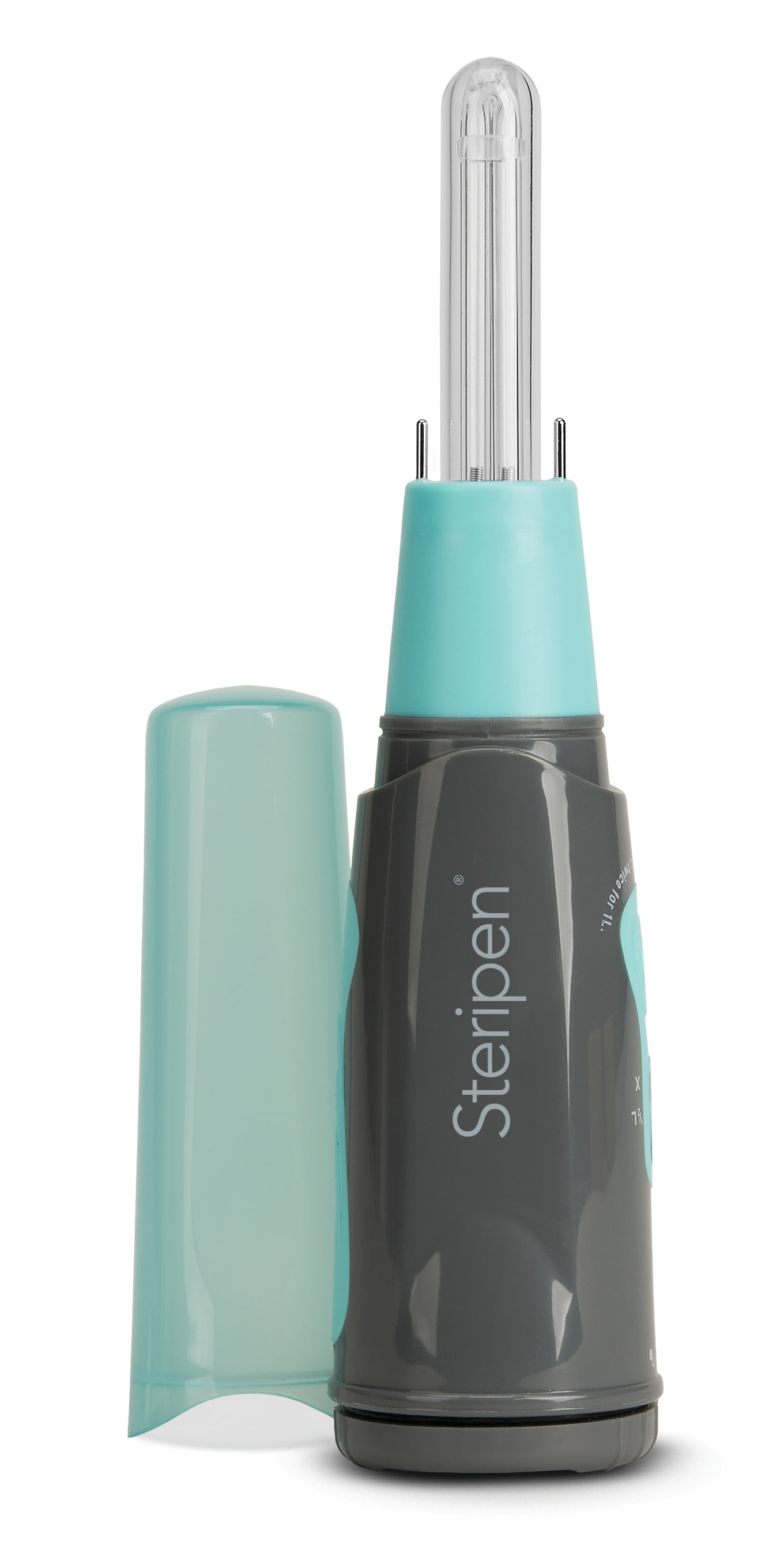
- Ultraviolet (UV) Purifiers
- Pros: kills viruses easily, usually only takes about 60 seconds, perfect for use in a reusable water bottle, ideal for international travel
- Cons: doesn't kill other microorganisms, requires batteries, not suitable for large quantities of water
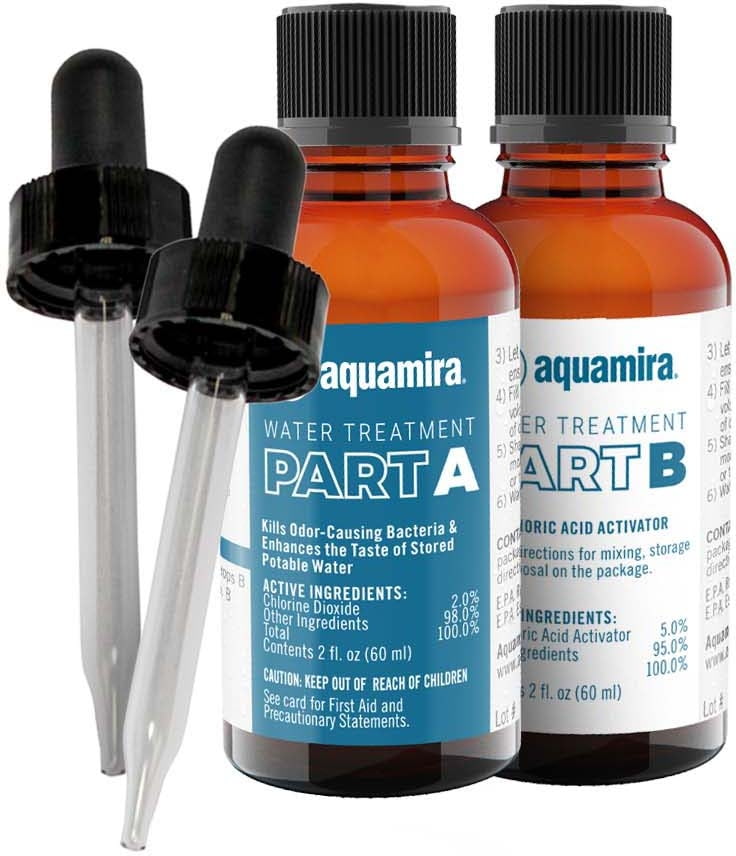
- Water Purification Tablets & Drops
- Pros: Excellent backup for other water treatment systems, kills nearly all protozoa (except Cryptosporidium), kills all viruses, easy to use, inexpensive, compact, and lightweight
- Cons: time-consuming since treatment time is anywhere from 30 minutes to 4 hours, ineffective on Cryptosporidium, chemical taste, possible health concerns for some people (like pregnant women)
- Built Into Water Filter: Ideally, look for a water filter system that incorporates water purification. This will not only save you steps, but it will also give you more peace of mind about the safety of your water.
Water Storage Containers
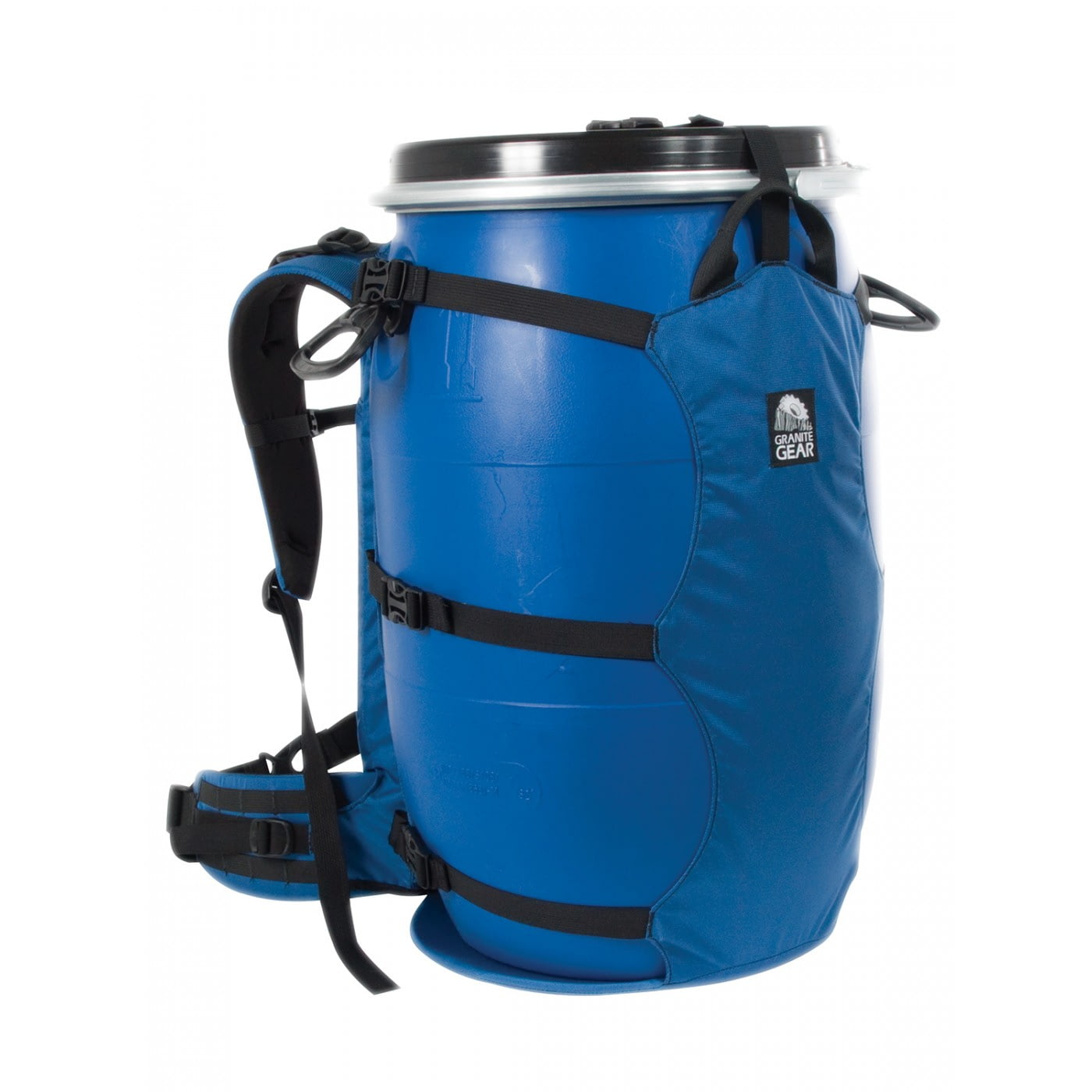
There are a wide variety of water storage containers available, and your choice will be dictated by how you're traveling. If you're backpacking, you'll be relying on water bladders and reusable bottles because water is bulky and heavy, 0.134 cubic feet and 8.34 pounds per gallon. Backpackers should always focus most of their hydration plan on water treatment as a result. If you're going on an overland trip or car camping, bringing along plenty of water from home is the easiest way to address the issue. You'll still want to bring some kind of water treatment, just in case you run out.
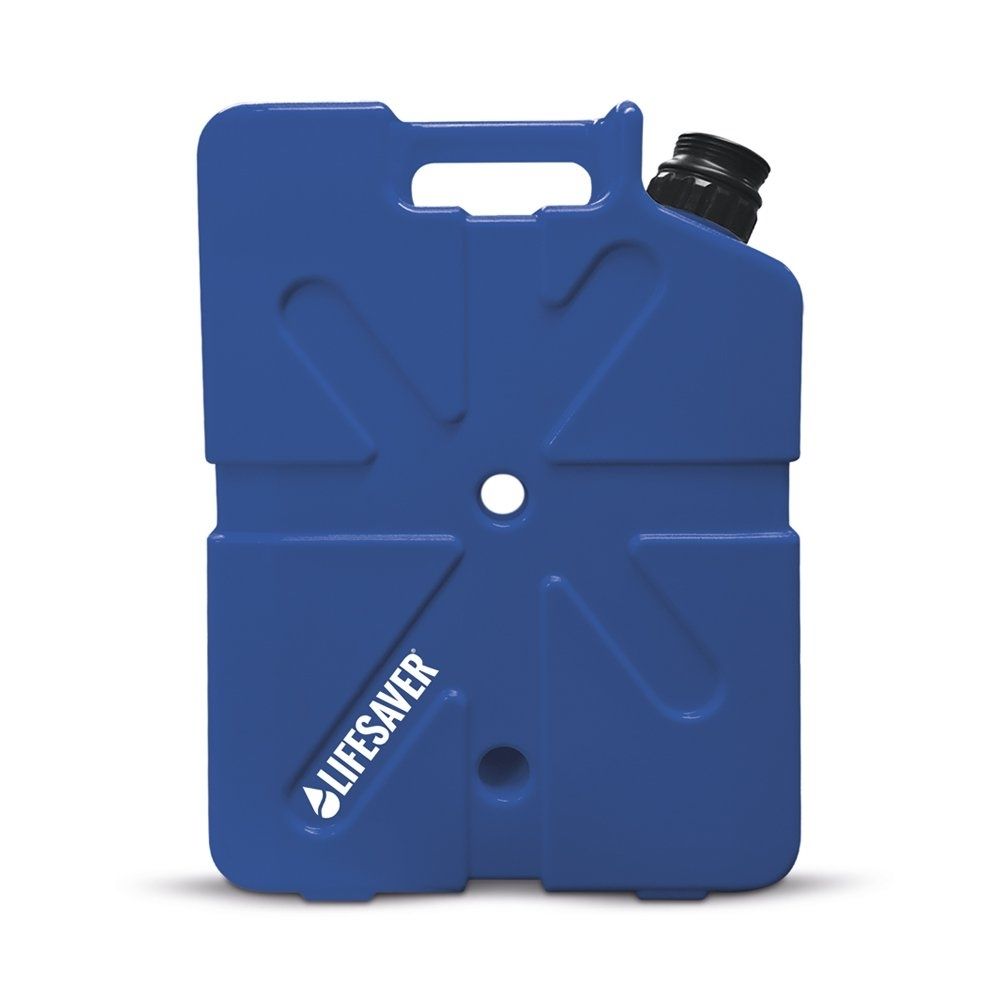
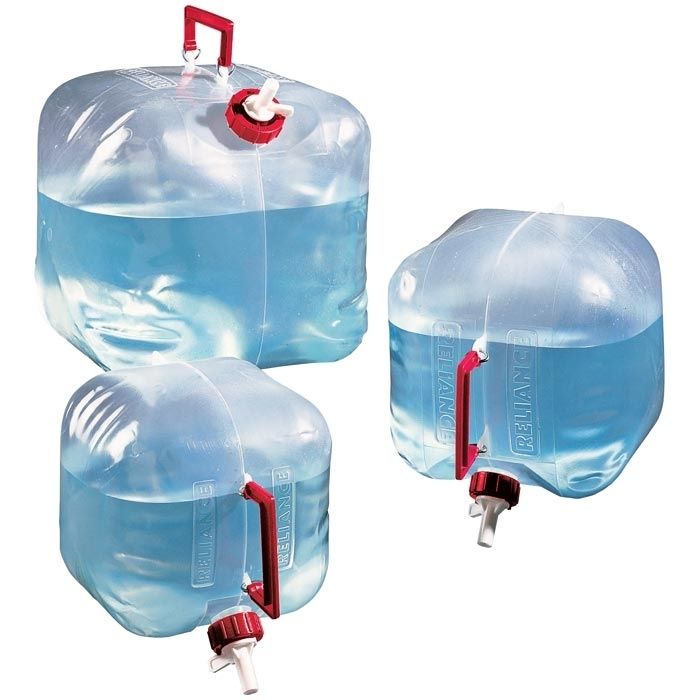
Instead of loading up on cases of bottled water, a 5-gallon water container is far preferable. Bottled water takes up a lot of room and results in a lot of garbage that you'll have to pack out. You'll want multiple water containers based on the size of your group and the length of your trip. Budget at least one gallon per person per day for drinking water alone. After you've figured out how much drinking water you need, you'll want to add extra water for each shower, dishes, basic hygiene, cooking, etc. A three-day trip with three people can easily get to 25 gallons, so consider a collapsible water container that will decrease in size and volume as the water is used.
All Washed Up
At this point, you should have a firm grasp on how to purify water, different water treatment systems, and the risks of consuming untreated water. Make sure you're stocked up and prepared before you head out, and always test your treatment system at home before you're relying on it out in the wild. Shop our Camping Gear and Outdoor and survival categories, happy trails!


