 Your Browser is Outdated



Essential First Aid and Survival Kit Preparation for Any Adventure
Whether planning a hunting trip, hiking expedition, or family camping vacation, you must prepare for the worst by assembling a first aid kit and survival pack. Even at home or driving in your car, you should have the right supplies close to prepare you in an emergency.
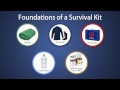
Most of this article covers general first aid and survival kits. Still, we have three videos on specific types of Preparation Kits you can put together for Hurricane Survival, Blizzard Survival, or Epic Event Survival.
Let's start with the essentials of a first aid kit. It used to be that initial treatment followed the ABCs.
- A - Check the airway: You have to ensure the mouth and throat are clear and capable of getting air to the lungs.
- B - Breathing: Check to see if the person is breathing, and if necessary, assist in breathing.
- C - Circulation: Make sure the heart is beating.
The number one killer on the battlefield is bleeding out, and Exsanguination has been added first. So, you should stop bleeding first.
The purpose of this guide is not to build a complete medical kit for field doctors. This is about general first aid for injuries you're likely to encounter when hunting or hiking, but you should still pay attention to the process experienced medics use.
Stop the Bleeding: How to Handle Cuts and Injuries in the Wild
When assembling a first aid kit, stock up on supplies to treat cuts and punctures that might result in bleeding. Bandages and gauze are essential, as is medical tape. One product we like for cuts and scrapes from hunting and hiking is the QuikClot Gauze. This is a fantastic tool for stopping bleeding right away. You can fill the wound with the guaze and wrap it tightly and the hemostatic agent will stop bleeding. This allows you to get to a doctor who can remove th wheen you get to the hospital. The QuikClot gauze has helped save lives on battlefields and at accident scenes worldwide. We highly recommend you have it in your first aid kit.
Once you've stopped the flow of blood, quality antiseptic wipes will be necessary for cuts to prevent infection. North Safety Products Antiseptic Wipes are an excellent choice for price and quality. Rubbing alcohol also works well for a wide variety of cuts and scrapes. You'll also want a good pair of latex gloves when dealing with blood. Microflex Laboratory Gloves are a great choice. We suggest a pair of Nitrile, as some people have latex allergies. Nitrile is the safe bet. Take a couple of pairs along to keep your hands clean.
Multi-Tool Mastery: The Swiss Army Knife and More for Outdoor Survival
Since you'll have gauze, bandages, and tape for wound care, you'll need a good knife or scissors. Why not have both? Multi-Tools have a blade, as well as scissors, pliers, saws, wire cutters, screwdrivers, and more, so you can get lots of tools in a small package. All this folds down into a compact package that can easily be kept in a pocket, backpack, or hung from a lanyard. Hunters and hikers will likely want a multitool for other purposes, so invest in quality. Victorinox Knives makes some of the most functional multi-tools on the market, the Swiss army knife.
Medicine Matters: Painkillers and More in Your First Aid Arsenal
Medicine will help in two ways when you need your first aid kit. You may be in pain, which can affect how calmly and effectively you treat your wounds, so make sure to have some painkillers. Aspirin is the best choice, as it is also helpful in case of a heart attack. Hydrocortisone ointment packets are commonly found in first aid kits, especially for hunters, hikers, and campers. If you get a rash, swelling, insect bites, or poison ivy, you'll be glad to have hydrocortisone.
Outdoor Reference Tools: Reference Books and More
You can only deal with every situation that could arise if you're a trained medical professional. It's helpful to have a reference book along. A reliable survival guide often features several standard first aid treatments and other topics such as automotive, science, math, currency, and carpentry. You will also find info on different plant types, so if you can't tell poison ivy from a weed, you can open the small reference and find out. An excellent reference tool that's super portable always comes in handy.
You can break down the elements of a survival kit into five different categories. In addition to first aid, you'll want supplies for warmth and shelter, food, water, navigation, and signaling devices.
Stay Warm and Dry: Shelter Supplies for Outdoor Survival
You must stay warm, dry, and safe, whether stuck in a blizzard, lost in the woods, stranded in the desert, or awaiting a hurricane. Here's a quick list of possible shelter supplies:
- Matches - Fire is necessary for survival in almost every emergency. The warmth and light you get from a fire can be an absolute lifesaver. Pack some waterproof matches.
- Shovel and axe - In most emergencies, you won't have a tent alone, but you will still need protection from the elements. A good shovel such as the Folding Shovel is perfect for a survival pack because it is highly durable and folds to an easily stored size. You may need to dig out of a snowed-in building or build your shelter by digging a hole. You may not always have the materials to build a shelter around you, but you can almost always dig down to get protection from wind, rain, and snow. If there are trees, bushes, or other raw materials in the vicinity that you can use to build a shelter or fire, you may need to cut down some branches or break down parts of a building. Use the Gerber Gator Axe II for these times. It can be attached to a belt for easy access and transport, and the handsaw built into the handle is excellent for clearing brush when you can't swing the axe.
- Extra clothing - Whether you get wet or dirty, you may need a change of clothes. In a blizzard or other cold conditions, the additional garments will be beneficial, but even in warmer climates, you'll benefit from the extra clothing; using layers is brilliant when you're in the woods, as the days can be hot, while the nights get especially cold.
- Duct Tape - Duct tape is one of the most versatile tools in the world, and most hunters and campers bring a roll along. From repairing tents and shoes to reinforcing bandages, duct tape is helpful in many situations where you could write an entire book. Make sure you pack strong duct tape, as even though it may not provide a permanent fix, you can often get the extra mile you need by applying a bit of duct tape.
Food and Water Essentials for Wilderness Survival
Water is one of the most important things in emergencies, so carry as much water as possible. Hydration systems are great because they allow for a large amount of water to be carried in a comfortable way, as well as being very portable. Canned and dry foods are perfect for emergencies; they last long and travel well. Make sure the food you bring doesn't need to be cooked. You can't be confident you'll be able to start a fire, and food that requires cooking is only helpful if you can.
Signaling and Navigation Tools: Getting Rescued in the Wild
You may find yourself lost in the woods in a hunting, camping, or hiking emergency. Rescue teams may be searching for you, but seeing someone through dense tree cover can be difficult. Most of us carry cell phones, but you may not get a signal. Below are a few items you can use to figure out where you are and signal help when it arrives.
Survival Flashlights and Whistles: A Lifeline in Emergencies
While matches are great for building a fire and can be used as a signal, you will likely not have time to make a fire if a rescue plane or helicopter appears suddenly. In these instances, a powerful flashlight with a pulse or strobe feature is a perfect signaling tool. The Streamlight Fire Vulcan is a great option. Not only is it incredibly bright and powerful, but the Fire Vulcan also has rear-facing LED lights so that someone following can easily see you. These taillights are blue because blue light is more visible through smoke than other colors. This flashlight is intended primarily for firefighters, but it's very tough and has plenty of battery life. This is a perfect flashlight for survival kits. A flashlight will aid in navigating in the dark, signaling for rescue, and setting up your shelter, so make sure you invest wisely, and your light is strong, bright, and has a long battery life.
A whistle is a real lifesaver in some emergencies, such as a cave-in, earthquake, or building collapse. A flashlight may not be seen past the many twists and turns of rubble between you and rescue teams, but a whistle may still be heard. Even if you don't have the strength to yell, you should be able to use a whistle to let rescue workers know you're still alive and roughly where you're located. The whistle you choose can be casual, just reliable and loud. A tornado whistle is an excellent choice for survival packs, as there are no moving parts inside to break or freeze up in the cold.
Navigating the Wild: GPS Devices and Compasses for Outdoor Adventures
A suitable GPS device will help you find your way home, and you'll get an accurate signal farther from civilization than with your phone. You can even mark specific locations, such as your car or a campsite, and it will point you toward the location at the push of a button.
While they may be old-fashioned, compasses are still practical tools for finding your way. When paired with a map and a little knowledge of navigation, you can find your way in almost any situation. Check out the Suunto A Series Compass for a simple but capable option. It has a simple lanyard for easy carrying, and though there are several great features, such as an included magnifier (useful for reading maps) and a ruler, operating the compass is a breeze.
Pack up that Emergency Kit
Once you have all your survival and first aid gear, you'll need a way to carry it! Most first aid kits are put in a medical pouch, which can be easily tossed in a larger carrying bag before a hunting or camping trip. The Maxpedition Individual First Aid Pouch is a great option, with enough room to hold your first aid supplies, yet a great design that cuts down on weight and space. The Individual First Aid Pouch can be attached to MOLLE webbing systems, connecting to several backpacks or carrying bags.
Packing Your Emergency Kit: Choosing the Right Gear
You'll need a good backpack for the bulk of your survival kit. Remember, it must be rugged, lightweight, and comfortable for hours or days. You don't know how far you may travel, and having a suitable pack can make long miles feel shorter. Choose a bag with MOLLE webbing on the outside so that you can attach extra gear (like your first aid bag). Also, make sure it has plenty of room in the main compartment for all your other gear. Chest and waist straps help distribute the weight evenly, and adjustable compression straps on the sides let you better secure the equipment inside so it doesn't jostle around while you walk.
You can't prepare for every situation, but if you put the time in to build a comprehensive first aid kit and survival pack, you'll have the best chance when an emergency arises.
Be sure to check out the survival preparation videos below. You'll see some of the items listed above and other options. The videos are intended to advise on specific situations, from Hurricane and Blizzard Preparation to Events of Epic Proportions. Always consider where and what you'll do when you pack your survival gear.


