 Your Browser is Outdated


A fishing lure is a small, artificial object, often shaped like a fish’s prey, that you attach to a hook and fishing line. There are many types of fishing lures available, and picking the right one depends on the type of fish you're going after, the environment, and your fishing style. Some of the most common are soft plastic lures, hard baits, spoons, and flies. You should match the lure you use with the fish species you are targeting.
While you can use many lures can to catch a variety of fish species, certain lures target and attract specific fish. The best fishing lure for you also depends on the environment you are fishing in, such as water depth, water clarity, and the amount of light. If you're having trouble picking the right lures for different fishing situations, we have you covered.
What Is the Best Lure to Catch Fish With?
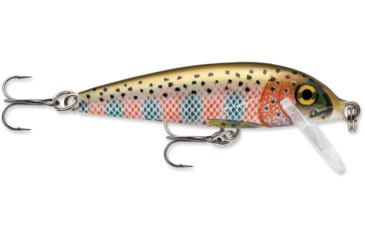 There are many fishing lure types available, and you can categorize them as hard baits, soft baits, spinner baits, spoons, and flies. Hard baits consist of crankbaits, jerkbaits, and certain topwater lures. All hard baits come in many colors and sizes, and some also make noise. Billed crankbaits and jerkbaits dive down into the water as you retrieve them. The bill design also gives the lure a rocking motion as it swims through the water.
If you use a jerkbait, flicking your fishing rod gives the lure a twitching motion. Topwater lures can be either hard or soft baits. These lures float on the surface and mimic different bait animals, such as frogs or bait fish at the surface. Many topwater baits also make noise to attract fish.
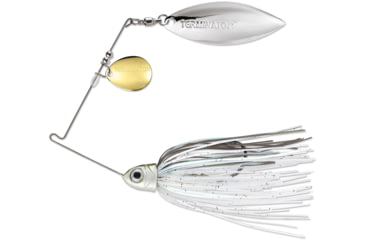
Spinner baits have a blade or spoon attached to them which rotates as you reel in the lure. This motion reflects light and vibrates, attracting predatory fish. There are different spinner baits, such as inline spinners, which have a spoon and a trailing hook. There are also spinner baits that have a spoon and an offset hook for use with a soft plastic bait.
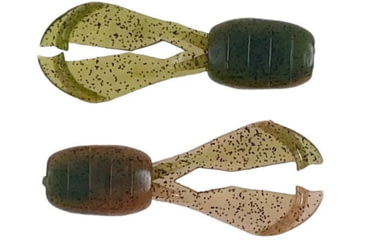 There are many soft baits, and they come in all colors and designs. Some soft baits include worms, grubs, swimbaits, minnows, crawfish, frogs, and salamanders/lizards. These baits are designed to be rigged with the best suited hook for the specific way you are fishing. Then, you bounce them off the bottom or reel them in at a consistent pace to mimic the bait animal.
You can find a soft plastic bait for almost any type of fishing. Fishing flies are specifically designed for fly fishing. These lures are hooks that are designed to mimic insects or bait fish by tying line, feathers, and streamers to them. These lures are also primarily designed to sit on the surface of the water.
- Jerkbaits: Largemouth Bass, Smallmouth Bass, Walleye, Pike, Musky.
- Crankbaits: Largemouth Bass, Smallmouth Bass, Walleye, Pike, Musky, Crappie.
- Topwater Lures: Largemouth Bass and Smallmouth Bass.
- Spinner Baits: Largemouth Bass, Smallmouth Bass, Walleye, Crappie, Pike, Musky.
- Spoons: Largemouth Bass, Smallmouth Bass, Walleye, Crappie, Pike, Musky, Trout, Salmon.
- Soft Plastic Baits: Largemouth Bass, Smallmouth Bass, Walleye, Crappie, Pike, Musky.
- Flies: Salmon and Trout.
What Color Lures Attract Fish?
Selecting the best lure color for you depends primarily on the water conditions and light available while you are fishing. For example, if you're fishing in clear water during the day, use a natural color bait that resembles the prey the target species of fish is going after. In dark water or at night, using darker color baits allows predator fish to make out the outline of the bait better. In murky water and dark water, brightly colored baits can help the lure stand out more.
How Does Depth Affect Your Fishing Lure Choice?
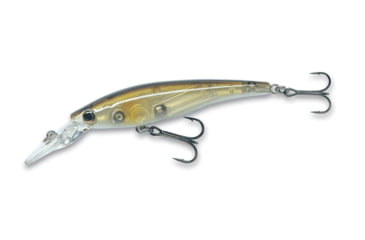 When selecting a lure, you need to understand the depth at which the fish you are targeting reside and the depth of the body of water you are fishing. Hard plastic baits come either as floating, sinking, or suspended baits. A lot of fishing lures also have a bill or lip to force them to dive down into the water as you reel in the fishing line. These baits often have a stated diving depth that describes how deep the bait will dive into the water. As for soft plastic lures, most anglers use them in combination with sinkers or hooks that have a weighted head, allowing the soft plastic lure to sink.
How Do Fishing Lures Move?
Fishing lures can also move in particular ways to mimic the bait animals they resemble. For example, top water frogs float and resemble frogs swimming across the surface of the water. If you have a jerkbait, twitching the fishing rod causes it to resemble a dying bait fish, making it a tasty meal for a predatory fish. Crankbaits dive and rock back and forth on retrieval, which resembles a swimming fish. There are many lures with different motions that can grab a fish’s attention.
What Sound Should a Lure Make?
 Not all lures make noise, but some of them do to attract specifc species of fish. For example, jerkbaits and crankbaits often have metal balls inside of them that produce a rattling noise as they move through the water. Topwater baits, such as buzz baits and poppers, also make noise. Buzz baits have a paddle that spins and disturbs the water as it is being retrieved, creating vibrations. Top water poppers have a cup shaped nose that displaces water and causes a popping noise as you jerk them during retrieval. All these noises help get the attention of predatory fish.
Shop Fishing Lures at OpticsPlanet
Choosing the correct fishing lure to use depends on the fish species you are targeting and the environment you are fishing. The best advice is to choose a lure that resembles the bait the target fish species regularly eats in the chosen body of water. Selecting a fishing lure doesn’t have to be overwhelming, and that is why our team at OpticsPlanet is here to help. We have all the fishing tackle and accessories you need, as well as plenty of fishing clothes and fishing waders to help you get out on the water and land your next big catch.


