 Your Browser is Outdated



What Are the Benefits of Tactical Weapon Lights?
The ability to clearly and quickly identify a potential target is crucial in almost any situation. While a weapon-mounted flashlight should never take the place of a handheld flashlight, there are several benefits to adding a weapon-mounted gun light to your loadout.
A weapon light allows you to keep both hands on the gun for maximum control or can free up the use of the support hand to do other tasks while still keeping an illuminated sight picture on the target. Another benefit of pistol-mounted lights is that they can provide a physical standoff which is useful in close-contact shooting. However, choosing the right gun light can be a process, so here are some variables to consider in your selection.
Gun Light Mounting Options
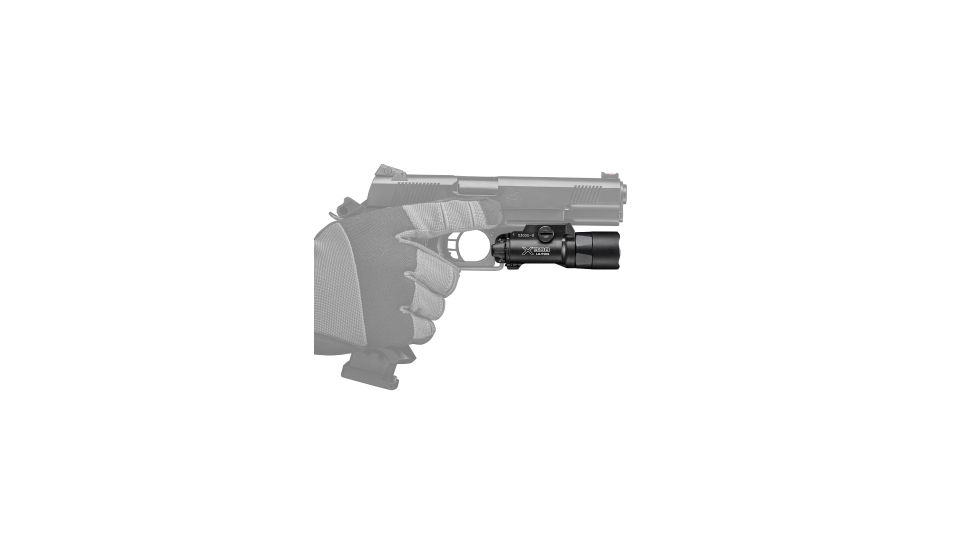 Surefire X300 Handgun Light
When selecting a weapon light, you need to choose one that will be compatible with your firearm. Depending on whether your pistol has an accessory rail or how your handguard is designed (Picatinny, M-LOK, or KeyMod) can greatly change your weapon light options. For pistols, you also want to consider what holster options are available for different models of lights. For rifles, you should try to plan where you want to mount the rifle light and how much space the light and potential switches will take up on the handguard.
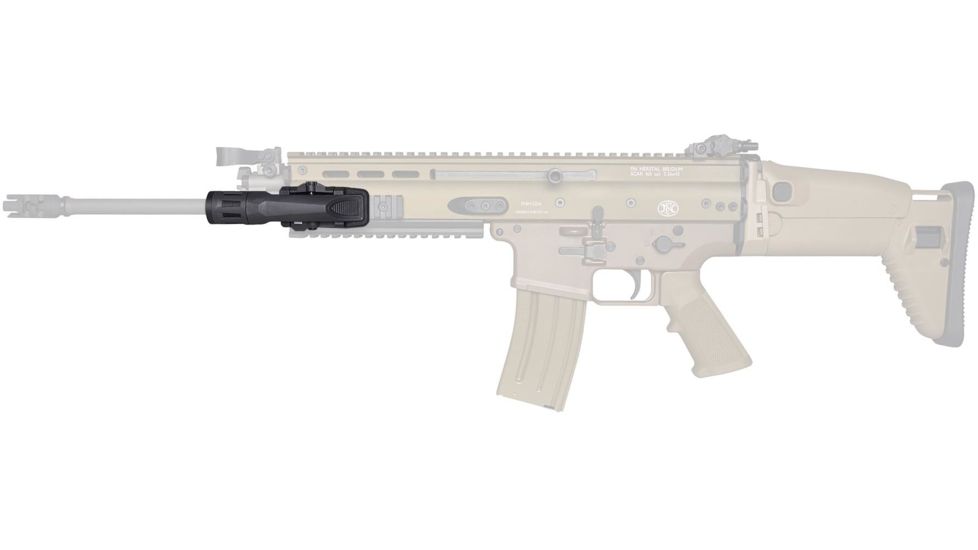 InForce WMLx Mounted Rifle Light
Once you know what gun lights are compatible with your firearm, the next thing to compare is output (lumens).
How Bright Should a Gun Light Be?
Generally speaking, you want a high-output weapon light. This will allow you to identify your target and the immediate surroundings regardless of what ambient light conditions you encounter. The tradeoff for a high-output light is usually a shorter run time, a physically larger size, and greater heat emission. Lights can be single output, dual output (low, high), or multi output (low, high, strobe).
Beam configuration relates to how the light is projected. Two lights that have the same lumens but different beam configurations will illuminate rooms and objects differently. Beam configuration can be a spotlight, a flood light, or somewhere in between. A spot beam pushes the light out farther and is better able to overcome ambient lighting, while a flood beam produces wider, more uniform light. Some lights utilize a combination of the two so that you get the most utility from your light in all conditions. Read our Flashlight Brightness Guide to learn more about lumens, candelas, and watts and how they relate to light output.
Switches
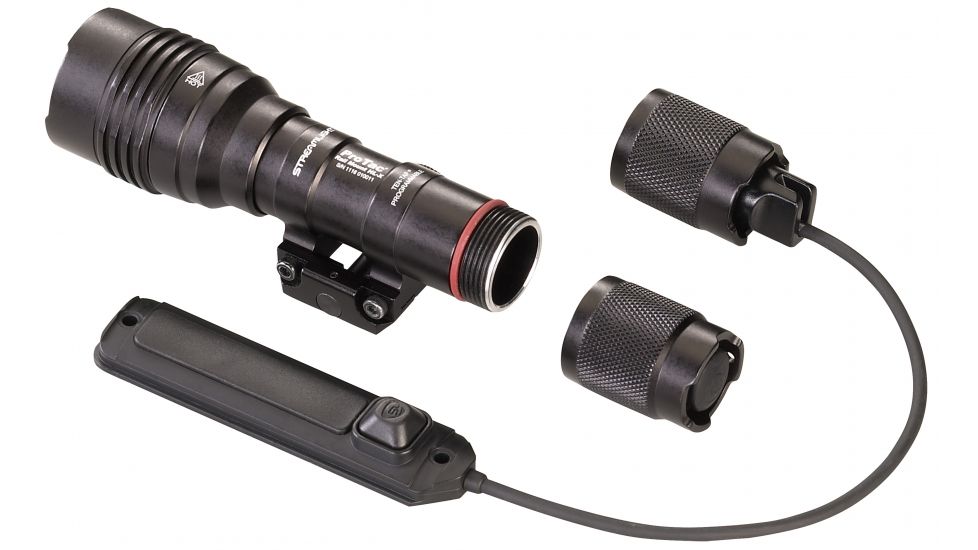 Streamlight Pro-Tac Weapon Light with tailcap, remote pressure switch
The switch design factors into how intuitive the weapon light is to use, especially if the light has multiple outputs. You should be able to operate the light without significantly altering your grip on the firearm. Rifle lights can be activated with a tailcap switch but usually also include a pressure switch so that you can activate the light remotely, if you wish. The pressure switch allows you to place the activation pad where your hands grip the gun regardless of the light placement. Twist activation tail caps are less than ideal for rifle lights, as they do not allow you to have the light on only momentarily. Tailcap switches with push buttons are usually more versatile and easy to use.
Other Factors to Consider for Weapon Lights
Finally, if you still haven't narrowed down your choices to one winner, you can compare things like ruggedness (waterproof rating, electronics protected by potting) as well as the power source (rechargeable, CR123, 18650, AA, or other battery types). Asking yourself what is the expected amount of abuse that the light will endure during storage, transport, and actual usage, or whether batteries are easily sourced can help you decide between an entry-level price point and a premium price point weapon light. The light needs to function reliably when you need it, so the quality of the housing, the emitter, and the electronics all matter.
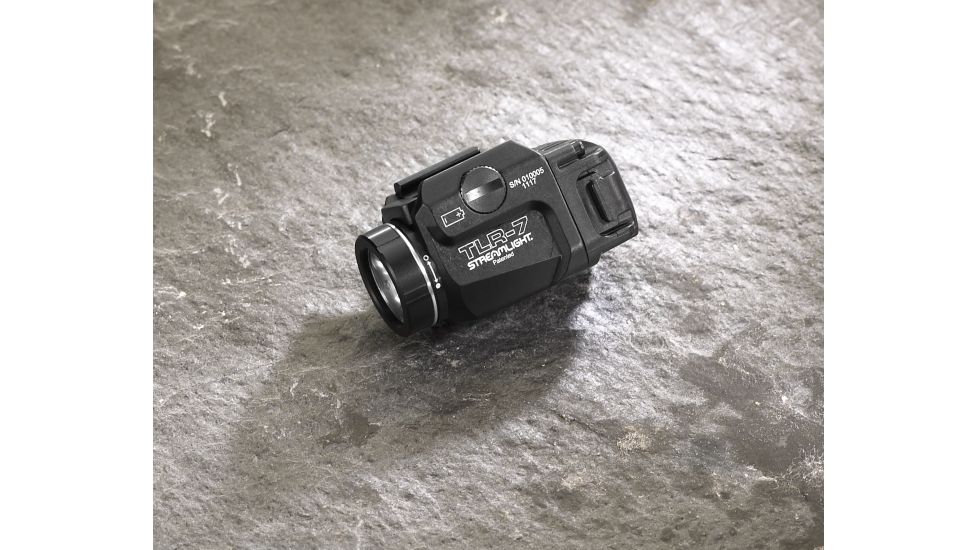 StreamLight TLR-7 Weapon Light
Conclusion
There are many advantages to adding a weapon light to your setup. Seek out proper training on effectively employing one and integrate it into training. Having the option of both a handheld light and a weapon light (or foregrip light) greatly increases your options and available information in any given situation. Make an informed decision about your weapon light and it will serve you for years to come. Check out all of our Weapon Light Guides to learn more about gun lights and how to buy the best one for you and your firearm.

