 Your Browser is Outdated


Dressing appropriately for your environment is crucial for staying warm during the colder months of the year, especially if you're planning on doing some outdoor activities. Without the right apparel and the proper use of base layers, mid layers, outer wear, footwear, and more, your body's core temperature can drop drastically, potentially leading to hypothermia. Aside from the safety benefits of wearing proper cold weather gear, the right choices are much more comfortable when used properly. If you're gearing up to hunt, go snowboarding, or even just spend some time in the snow with the family, this guide explains the different types of cold weather clothing and the three-layer system for winter and provides a general idea of when and where you should use each piece.
What Are Base Layers Good For?
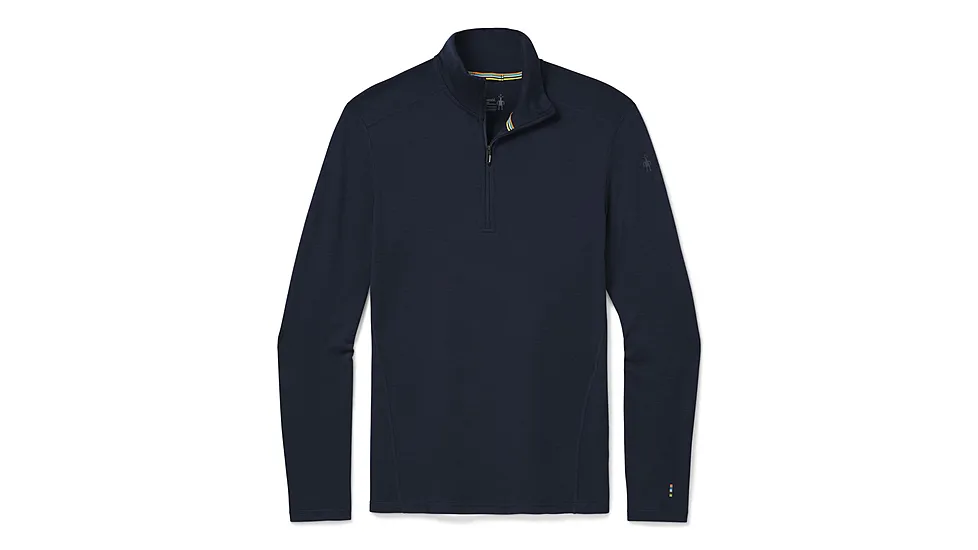 Base layers are made from materials that are designed to keep you comfortable in changing conditions and activity levels. Their primary purpose is to transport or displace moisture away from your body, helping you stay warm and dry. The two most common materials used in base layers are Merino wool and synthetic fabrics, such as polyester, nylon, or polypropylene.
Synthetic base layers move moisture away from your skin to the surface of the fabric where it can evaporate. This keeps you warm and comfortable, as the moisture doesn't reduce your body temperature. These base layers are better designed for high-intensity activities that cause you to sweat. They are also breathable, durable, and cost-effective. However, synthetic base layers are not ideal for extremely cold environments or low-intensity activities.
Merino wool is a natural fiber grown by Merino sheep and is a popular choice for base layers due to its moisture management qualities. It is also commonly combined with synthetic materials to increase its durability and moisture-wicking effectiveness. Merino wool base layers are designed for extremely cold conditions, longer durations spent outdoors, and low-intensity activities. They work very well at regulating your body's temperature, keeping you warm in extremely cold environments.
You can wear base layers on their own as a single layer or under another garment. However, in extreme cold conditions, you should use base layers in a three-layer system where you start with the base layer, add a mid layer, and finish with an outer layer.
What Is a Mid Layer?
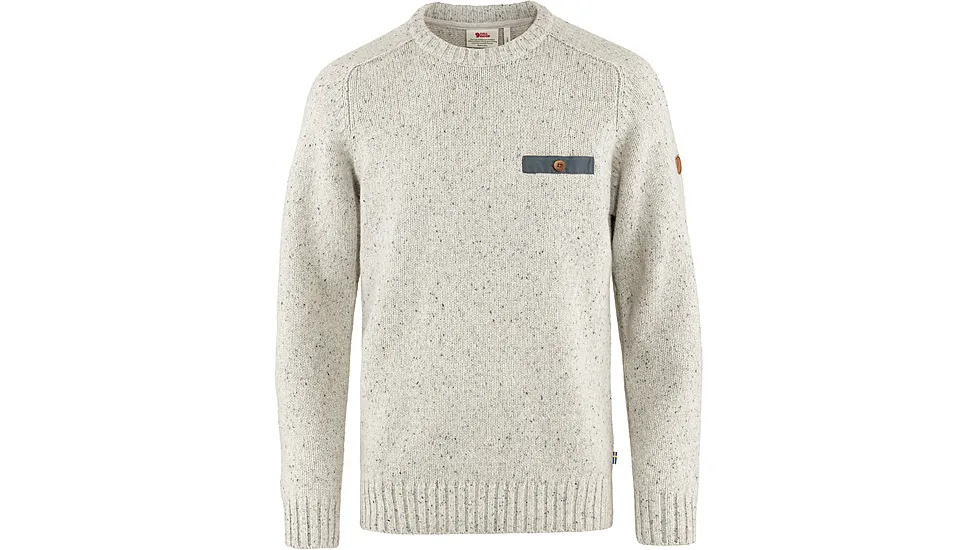 A mid layer is a garment worn as a second layer and is primarily designed for insulation. Mid layers are often basic shirts, jackets, or sweatshirts that use fleece, wool, or synthetic materials to trap body heat and direct direct it back into your body. They also prevent cold air from passing through your body and coming into contact with sweat or moisture.
Fleeces are commonly used as mid layers and are available in several insulation densities, ranging from 100g/m2 to 300g/m2, depending on the amount of insulation you need. Fleece offers a better warmth-to-weight ratio than Merino wool but a lower ratio than goose down or synthetic fill. A jacket made of fleece with a density of 300g/m2 will be three times less warm than a high-end synthetic insulated jacket and five times less warm than a goose-down jacket on average. The main advantages of fleece mid layers are that they absorb minimal moisture, dry quickly, and efficiently wick moisture to the outside where it can evaporate or pass to the next layer.
Windproof softshells are usually made from polyester or nylon and bridge the gap between a waterproof hardshell and a fleece jacket. These softshell jackets are intended for high-output activities, such as climbing, biking, backcountry skiing, and hiking. Most are water-resistant while some are even waterproof. Windbreakers allow enough air in and out to regulate your body heat and offer more protection from the elements than a standard insulating mid layer like fleeces, synthetic jackets, or down jackets. Falling in that middle ground makes them a highly versatile piece that is usable in all four seasons. If it's cool outside, not too wet, and you plan on doing high-output activities, then a softshell is an excellent choice by itself or paired with a base layer.
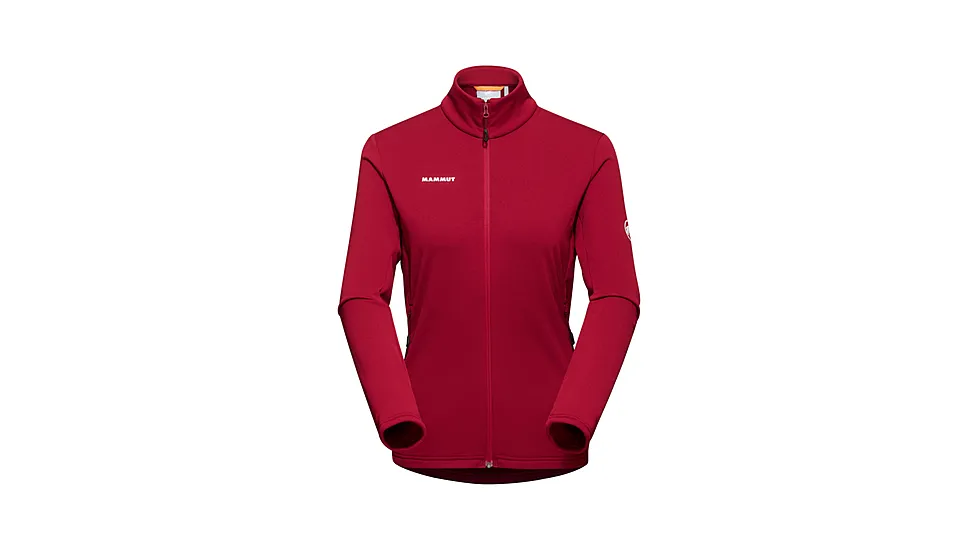 Insulated jackets are designed for colder weather and are typically comprised of a hard or softshell outer layer and an insulating layer constructed directly into the jacket. This insulated layer can be made of fleece, down, or a synthetic material to protect you from the cold. Down is a better insulator, but synthetic insulation dries faster. This means that down-insulated jackets are better suited for colder, drier activities, whereas synthetic insulated jackets are better for relatively cold and wet conditions.
A high-quality insulated shell is a great choice for cold weather and is the most convenient option. Instead of throwing on multiple layers, you can just use an insulated jacket on its own when heading out into the cold for small errands around town.
Merino wool is also used in mid layers due to its superb temperature regulation. However, mid layers made from Merino Wool don't perform as well as synthetic or down jackets due to their weight relative to the warmth they provide. Merino wool can absorb up to 33% of its weight in moisture. If you are sweating, the jacket can absorb that moisture and increase the weight of the jacket. However, Merino wool also has some advantages compated to other fabrics. It retains warmth even when wet, is soft to the touch, and offers great odor resistance. When wool fibers are exposed to moisture, only the inner part of the fiber absorbs it while the outer part stays dry, and the conductive heat loss is not drastically increased. Because these layers are relatively heavy, it is not recommended to use them for high-intensity activities. Much like a Merino wool base layer, a Merino wool mid layer should be used during low activity, in very cold environments, or when comfort is a priority.
What Is Outer Layer Clothing?
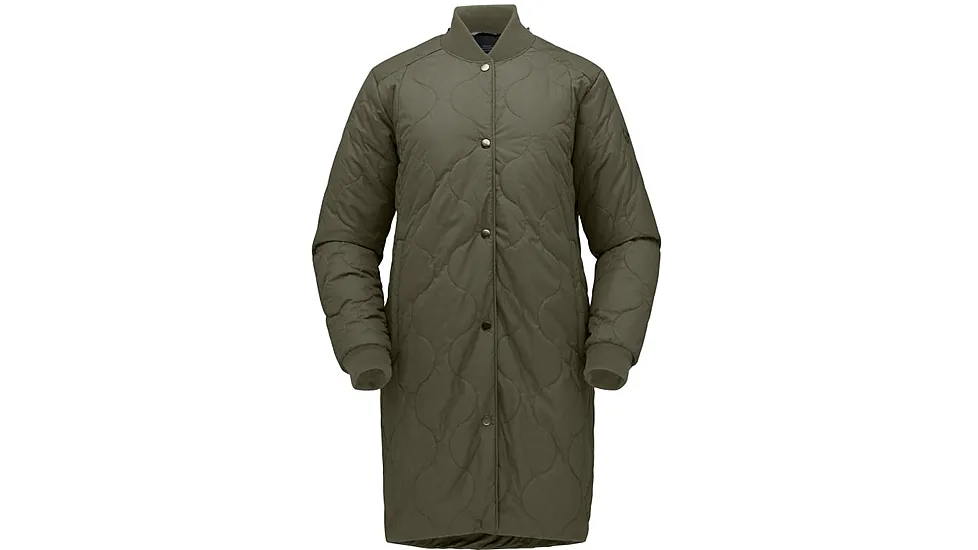 An outer layer is the outermost layer or shell designed to protect against wind, rain, and snow. Outer layers themselves are not designed to provide insulation or warmth. However, because most are either waterproof, like Gore-Tex, or use a durable water repellent coating (DWR), they keep you dry from the elements, allowing you to stay warm. Waterproof outer layers are typically more expensive, but they are durable and keep you dry. Water-resistant outer layers use a DWR coating to prevent water from penetrating your body, and they are better suited for breezy conditions, light rain, and higher activity levels.
Winter Hats & Headwear
A common misconception is that a person loses approximately 70% of their body heat through their head. However, because the human head makes up only 10% of the body's total area, it can only account for 10% of total body heat lost. This does not mean that wearing a hat is unimportant. Depending on the weather conditions, you can easily get frostbite on your exposed ears without the protection from a hat or beanie. Scarfs, neck gaiters, and balaclavas can also keep your head and face warm and protect you from the wind.
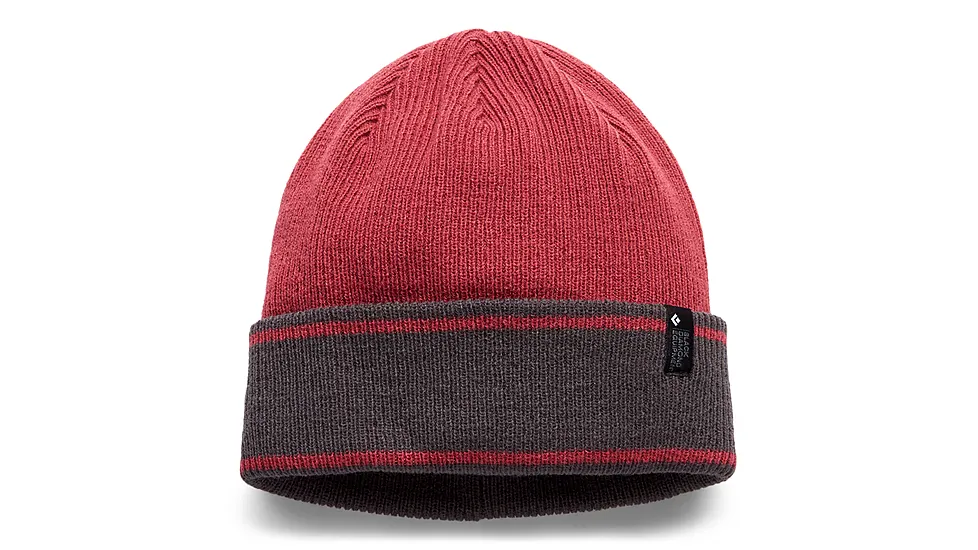 There are many types of winter hats and materials to increase comfort and retain heat. You should always look for a way to cover your ears, as they can easily get frostbite due to limited blood flow if exposed to the cold for long periods, especially in extremely cold environments where blood vessels restrict at the extremities. Snug-fitting hats work better at trapping heat. Adjustable hats allow you to sinch them to your head, increasing their effectiveness. Wool, faux sherpa, faux fur, and synthetic materials are all used in winter caps and are effective at retaining body heat.
Scarfs, neck gaiters, and balaclavas can also protect areas of your body that would otherwise not be protected with a hat alone, or a jacket. You can also remove these items easily depending on the environment you're in or the activities you are doing.
Winter Gloves & Mittens
In cold weather, blood vessels near the surface of the skin squeeze tight to direct blood deeper into the body. This causes the brain, heart, and other important organs to stay warm, while at the expense of the now blood-depleted hands, feet, and other extremities.
Gloves cover the hand with individual sheaths for each finger. They allow for much more dexterity over mittens as all as you can use each finger individually. However, gloves are less effective at keeping your hands warm. You should use winter gloves when you need dexterity over warmth. Materials such as fleece, wool, and synthetic insulation increase their effectiveness against the cold. Synthetic-insulated gloves provide the most effective warmth relative to their size and weight, much like an insulated jacket. Wool isn't as popular of a material in gloves because it is heavy and bulky, despite being extremely effective against the cold. Fleece gloves don't provide much wind or weather protection, but they are lightweight, small, and cheap.
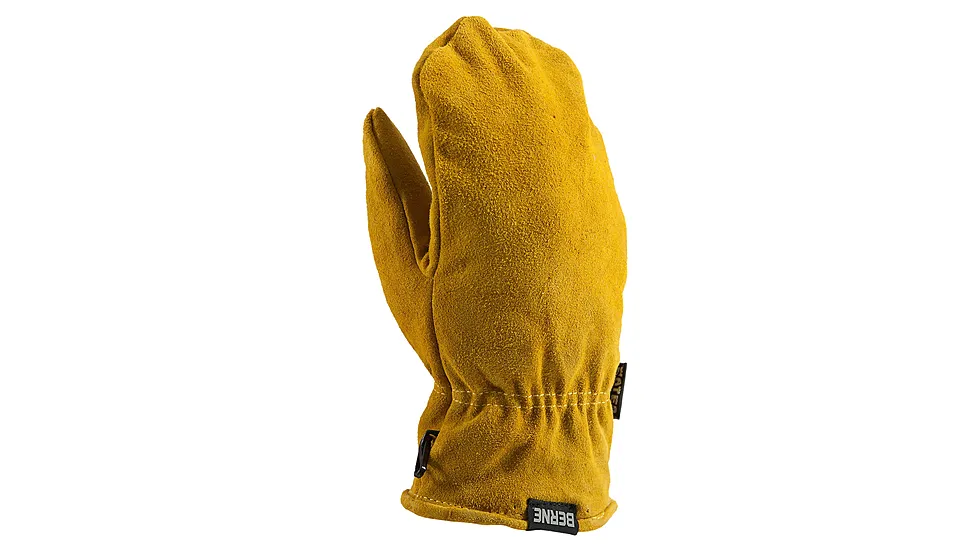 Mittens prioritize warmth over dexterity. With a separate pocket for each finger, gloves have more surface area in direct contact with the elements, which translates to more opportunity for heat to escape. Mittens keep your fingers together, which means that they can share heat. Having a single pocket results in warm air can circulate more easily. Mittens are also made from a multitude of materials that are optimized for different environments. Another common benefit of mittens is that you can place a hand warmer inside to keep your fingers even toastier.
Heated gloves and mittens are also suitable for people who get cold hands easily. They are also good for anyone dealing with freezing temperatures and harsh conditions. They are typically powered by a rechargeable lithium-ion battery and feature customizable heat settings, allowing you to adjust the heat output based on your environment. Heated gloves and mittens come at a higher cost but are the best way to ensure your hands stay warm.
Winter Boots, Shoes, Socks & Footwear
Because the human body prioritizes keeping vital organs warm, extremities like your hands and feet become colder faster as the blood vessels restrict. Keeping your feet warm is essential to staying comfortable in cold environments and preventing frostbite.
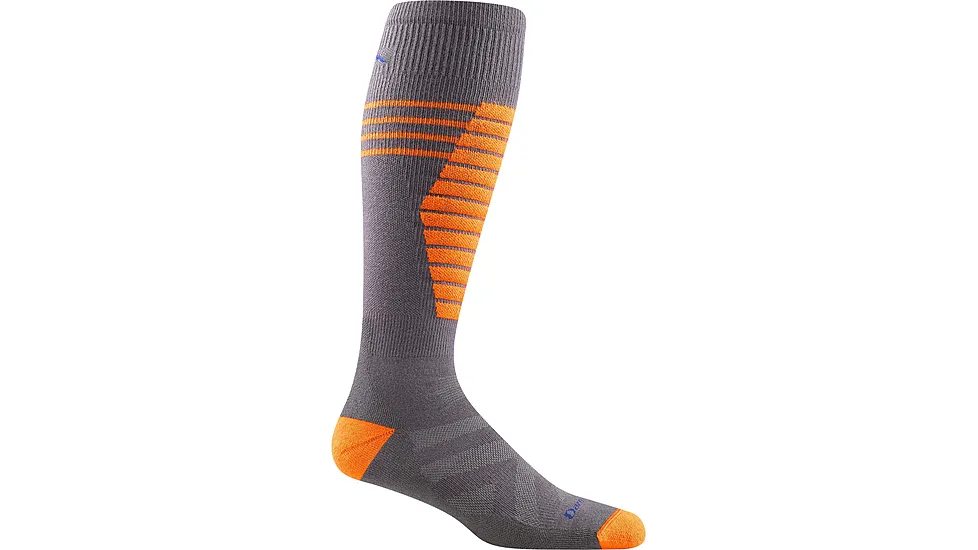 Socks are your first layer of protection against the cold. Avoid using cotton socks in cold environments, as they provide minimal insulation value and absorb moisture. Once a cotton sock is wet, it loses all its insulation value. Winter socks are made from wool, fleece, shearling, and synthetic materials. These fabrics are thicker and do not lose their insulating abilities when wet, allowing the sock to absorb more moisture. Even when engaging in higher activity levels, always wear winter socks in cold weather. They will dry quicker and provide more insulation compared to cotton varieties.
Using winter boots or shoes keeps your feet warm and dry in cold, wet environments. Boots can be purchased with varying levels of insulation depending on your activity level and climate. Waterproof boots are also available to keep moisture from entering. You can find out more about boots for any climate in our How to Shop for Boots How-To Guide.
Summary
Cold weather gear is essential for keeping you warm, dry, and comfortable in extremely cold environments. Ensuring you have the proper clothing for the climate you are in as well as the activity levels you will be performing will provide a safe and positive outcome. To help you gear up for the season, our team at OpticsPlanet has gathered everything you need in one place! With a huge selection of cold weather gear and winter sports equipment, you can prepare for your next snowy adventure easily.


