 Your Browser is Outdated


Hunting is an extremely popular pastime throughout the country. From whitetail deer to mule deer, elk, coyote, and more, there are tons of game animals that people hunt ethically every year. Waterfowl hunting, specifically duck hunting, is one of the most popular types throughout the country, and especially for people in the Southern U.S., as two major migratory flyways travel through the southern states. This means that ducks literally flock to these areas in the fall and winter, congregating around lakes and ponds and creating the perfect environment for duck hunters. If you’re looking to get into duck hunting, now is the perfect time to start, as you have plenty of time to get your hunting gear, find a great location, and get out there. However, duck hunting is unlike other styles of hunting, particularly deer hunting, so you should prepare before you head out. To help with this, here are some solid tips for getting started in duck hunting.
Prioritize Technique
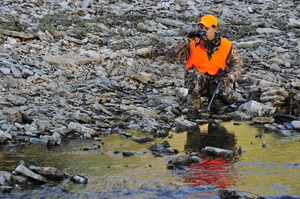 When you initially get started in a new hobby, one of the first instincts is to spend a bunch of money and get great gear so that you’re as prepared as possible for your first actual trip. This is especially true for hunters and people who are generally interested in shooting sports, as this community is well-known for loving new gear. However, this isn’t recommended for your first time going duck hunting. Instead, you should focus on practicing your scouting and concealment techniques your first few times going out. This is different for many people who got their start in whitetail deer hunting, as many people expect to spend a bunch of money on getting a tree stand, new rifle scope, and plenty of camouflage clothing to conceal them. While you still need some basic gear and camo in duck hunting, the barrier to entry is much lower, as a lot of your success will depend on how you act while you’re out on the water.
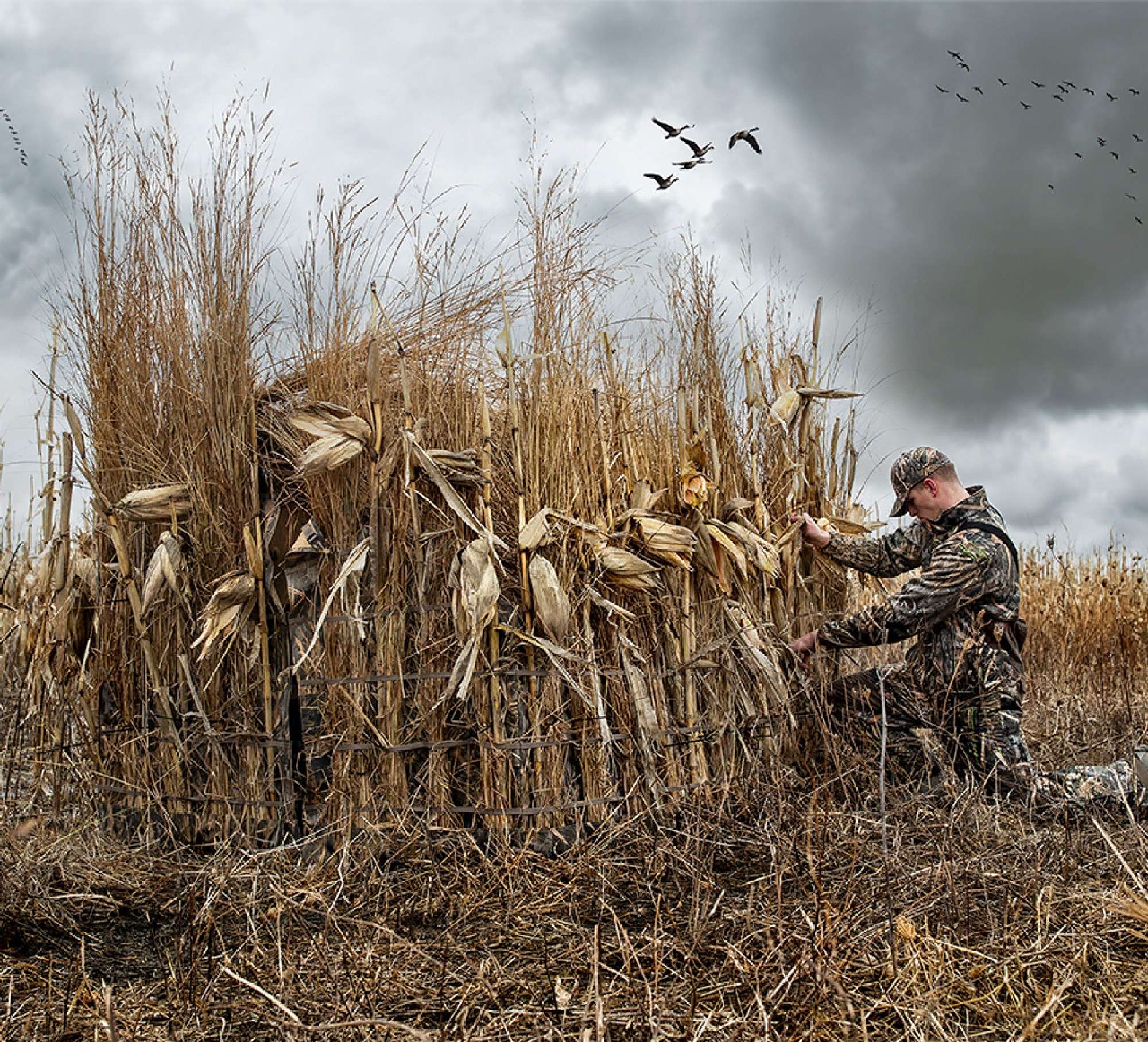
For example, duck hunting requires you to do some serious scouting, as you’re not hunting creatures that generally stay within a certain area, like deer. Instead, you’re looking to catch ducks while they’re essentially at a “rest stop” on their journey. This means you need to drive around and scout out lakes, ponds, and other waterways to find where ducks are congregating. This is best done while someone drives the vehicle and someone else uses binoculars to get a better look. Animals are intelligent, so if you find somewhere that consistently has lots of ducks, this is a good place to hunt, as more ducks are likely to come in the future. Additionally, concealment is crucial for duck hunting, as ducks have exceptional eyesight. To stay ahead of this, one of the most important aspects of duck hunting is staying extremely still. This is true whether you’re out in the grass and reeds and wearing camouflage or in a layout blind, as disturbing the blind or nearby vegetation is a quick way to spook all the ducks on the water, regardless of your calls and decoys.
Ask for Help
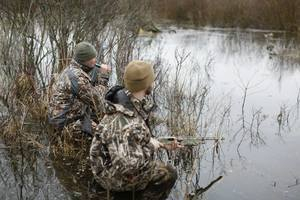 In deer hunting, most people learn the basics at a young age from an older friend or family member. Then, as they get older and understand what’s necessary, they tend to start hunting by themselves or spread out, as being with another person limits the ability for everyone to fill their tags. Duck hunting is completely unlike this, as it is often a group social activity. This is because ducks fly in large flocks for safety, so having multiple hunters in the same location increases everyone’s chances of hitting their limits. All of this is to say that getting started duck hunting on your own is extremely difficult and not nearly as fun as it could be. Instead, ask your friends and family members if anyone goes duck hunting regularly or has friends of their own that like to duck hunt. Finding someone you already know and trust to show you the ropes is not only one of the most effective ways to get started in duck hunting, but also one of the most enjoyable, as you already have a built-in group to help you find the best hunting spots and give you even more hints. Plus, once you find a group of duck hunters, you can get some first-hand information on the type of gear that they buy. From their favorite brands and camouflage styles to the best types of shotgun ammo, waders, bibs, and more, you can test things out and see if there are certain styles you do and don’t like before actually spending any money. All of this info not only saves you money, but it also saves you a ton of time because you don’t have to seek out everything on your own. And, you’re in a better place for your first hunting trip, as you’ll have other people to rely on and help you make the best of your first experience.
Choose Land Carefully
As mentioned, finding the perfect place to hunt ducks is a lot more difficult than scouting any stretch of woods for signs of deer. This means that the land you choose for duck hunting is even more important, and selecting the right land involves a lot of steps. First, you have to confirm that ducks regularly land on the water throughout the season. Waterfowl need food, water, and shelter, so the location you choose to hunt needs to provide all of these things, preferably in large amounts, as this increases the chance of large flocks stopping in the location. Your hunting area should have plenty of shallow water for ducks to forage and hunt in, as well as lots of vegetation around the banks and under the water. Additionally, look for signs of previous duck habitation, such as droppings and feathers around the water.
If the location you’ve chosen has all of these things, the next step is getting permission to hunt on the land. This can be an extremely easy process or one that is complex and frustrating to deal with, and it all depends on the land. For example, if it’s public land, getting permission to hunt there may be simple, as other hunters may use it regularly already. In this case, you need to find out which department or agency manages the land and meet all of their requirements to get permission, which can include proper hunting licenses, permits, and completion of courses. Alternatively, the land may be specifically protected or not available for hunting, in which case you’ll have to move on and find another location.
On the other hand, if you’re planning to hunt private land, getting permission is still just as important. It’s one thing if someone in your hunting group owns the land, but this isn’t always possible. Instead, if you’re looking to use someone else’s land, you should get explicit written permission from them well in advance of your planned hunting weekend or trip. Discuss with them carefully and outline any potential issues before the hunting season. Make sure they’re aware of everyone that will be using the property and abide by any restrictions they have for their property. Also, if the person approves, you can show your appreciation by paying them to use their land or even working out a deal where you give up part of the meat you harvest after the hunt. There aren’t any one-size-fits-all agreements, so work something out that is agreeable for both you and the landowner.
Use the Right Gear
 Even though the first point talks about not splurging on expensive gear right from the start, that doesn’t mean you don’t need specialized equipment to make your duck hunting experience as smooth as possible. For example, one of the easiest requirements to meet, but also one of the most commonly missed, is using the right ammo. Since hunting waterfowl like ducks takes place over waterways, you cannot use traditional shotgun ammo with lead shot inside of the shells, as the BBs can poison the waterways. Instead, you have to use shotgun shells that contain BBs made from non-toxic metals, such as bismuth, steel, or tungsten. This is a crucial step that you cannot miss, as poisoning a waterway not only can permanently damage the environment, but depending on the extent, could also result in significant fines or jail time for breaking the law. Some of our most popular waterfowl hunting ammo comes from HEVI-Shot, who make shotgun ammo in a variety of gauges for all different types of hunting.
Next up is securing the right hunting apparel. First, before you even worry about the camo pattern you’re going to wear, you need to get some reliable hunting bibs and waders. This bit of kit includes coveralls and rubber boots to keep you warm and dry while you’re duck hunting. This allows you to move around the shallow water, set up and retrieve your decoys, and collect any nearby ducks without soaking your legs and socks and turning the entire day into a freezing, miserable experience. When looking for bibs and waders, look for one that is insulated and has good reviews from other hunters, as well as uses a camo pattern that matches your hunting environment and your duck blind. Some of our most popular options are from Gator Waders and LaCrosse Footwear.
Finally, make sure you have a good duck call and some duck decoys. The duck call can be confusing for first-timers, so if your friends have some, try out a few different types to see which one you like first. There are tons of different brands and styles for duck calls, including both manual and electronic duck calls, so finding one that you can operate easily and reliably is the best choice. You should always opt for what you’re comfortable using over what other people tell you is the “best” or the “right” way to do it. As for decoys, this is a little more difficult to make the right choice. First, you should use decoys that match the type of duck you are trying to hunt, such as a mallard or wood duck. This ensures that you’re attracting the right flocks to your hunting spot so that you’re filling your tags properly and obeying all hunting limits and laws. However, choosing the right decoy is more of an art than a science. Unfortunately, one of the best ways to find the perfect decoy for your hunt is to try different styles and see what works. Mix up your decoys between swimming models, feeding models, and others to give you a wide spread and see which setup works the best. You can also try smart options that move around and act more naturally than just floating aimlessly. Some of our highest-rated duck decoys come from Avian X and Higdon Outdoors to help you narrow down your options.
Hit Your Limit With Some Help From OpticsPlanet!
While not an exhaustive list of everything you need for your first time going duck hunting, we’re here to help you get started with the gear and tips you need! Our Getting Started in Waterfowl & Duck Hunting guide is also an excellent resource that goes in-depth on related subjects, such as choosing a choke tube and getting the proper permits. We also have tons of shotgun parts and accessories to help make sure that your gun is as ready as you are for the season opener.


