 Your Browser is Outdated


Waterfowl hunting is hunting migratory birds such as ducks and geese. Waterfowl and duck seasons vary slightly throughout the country but will often begin in the fall and continue throughout the winter months. Like other forms of hunting, it all depends on preparation and strategy. Understanding how the birds you are hunting live their day-to-day life will help you craft a successful strategy. Where waterfowl hunting differs from duck hunting is the variety of waterfowl that exists and that can be hunted throughout the country.
In one day of waterfowl hunting, you could have the opportunity to take a variety of ducks such as wood ducks, teal, and mallards, as well as a variety of different geese. All of these birds act differently and present their own challenges when hunting. While the best way to get started is to go along with an experienced hunter, many people do not have a person they can ask for guidance. This guide will help you to understand the necessary hunting gear to get you started on your own.
How Do I Get a Permit to Hunt Ducks?
The absolute first thing you will need to purchase is your state hunting license, state waterfowl tag/stamp/permit, and Federal Waterfowl Stamp. Most states will require an individual to take a Hunter’s Safety Course to get their hunting license, and other states will not require the course as long as you are 18 years of age or older. Once you purchase your hunting license, you will need to purchase a state waterfowl tag, stamp, or permit (these will vary by state.)
This tag or license will allow you to hunt waterfowl in your particular state. The last permit you will need is a Federal Waterfowl Stamp. Since waterfowl are migratory birds, they are managed by the federal government, and a Federal Waterfowl Stamp is needed to hunt them. You want to keep these licenses with you in a waterproof bag or container. Of course, you’ll also want to check your local regulations for hunting seasons.
Duck Hunting Shotgun & Shotgun Ammo
You will need to check your local laws and regulations regarding the specific gauge shotgun you are allowed to use to hunt waterfowl. However, 12-gauge and 20-gauge shotguns, either semi-automatic or pump-action, are the most commonly used guns for waterfowl. When waterfowl hunting it is only legal to use non-toxic shotshells, which are typically comprised of steel or steel alloy shot/pellets. This is necessary because the traditional lead shot is toxic and can cause damage to the bodies of water where you hunt, so a nationwide federal ban on lead shot went into effect in 1991.
Best Shot Size for Ducks
Along with the type of ammo you will use, you also need to determine what type of shot size you need. The general rule to follow is the bigger the bird you are hunting, the bigger the shot size you need. The following shot sizes are what are reccomended for certain waterfowl:
Duck Type & Shot Size
- Small Ducks (Teal, Wood Ducks): #3, #4, #5, #6
- Large Ducks (Mallard, Black Duck, Pintail): #3, #2, #1
- Geese (Canadian Geese, Snow Geese): #2, #1, BB, BBB, T
You can learn more in our Shotgun Ammo Guides which will take you through everything you need to know about shotshells.
What Choke Tubes Should I Use for Duck Hunting?
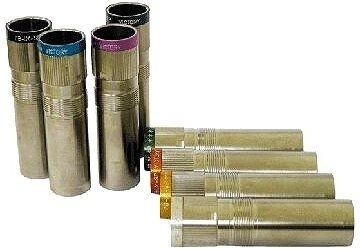 The distance you will be shooting determines the amount of choke you need.
For ducks at 10-40 yards, most hunters use an Improved Cylinder or Modified Choke.
For geese at 10-40 yards, a Modified or Improved Modified Choke would be recommended.
When selecting a choke tube make sure it is rated for the type of shotshell and shot size you are shooting. Some shotgun choke tubes are not compatible with steel shot. Choke tubes are also often only compatible with certain makes and models of shotguns, so Understanding Choke Tube Compatibility is important before you buy.
You can learn more in our Choke Tube Guides for more information about the different types of shotgun chokes and choke tubes.
What Should I Wear to Go Duck Hunting?
Waterfowl hunting is often done in cold and wet conditions. You must have warm hunting clothes that can stand up to the elements. If you are in the northern states you will need heavier insulation than in southern states, but since waterfowl hunting is done primarily in or around water, it is smart to have a waterproof jacket and waterproof pants. Good wicking baselayers are the foundation of proper layering of clothing, and they’re available for both men and women.
Duck hunting waders are also important if you are going to be hunting in or around water. Waders are useful because they allow you to set up in standing water to get a closer shot at a lot of waterfowl. They also will allow you to walk out to retrieve the birds you shoot that fall into the water. Hunting waders come in different insulation levels, and some even have removable insulation layers that allow you to wear them from the early season into the late season.
You can learn more in our Hunting Apparel Guides for tips and tricks on buying the best hunting clothing.
Wetland Camo Patterns
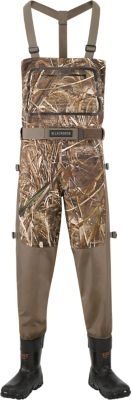 Camouflage is designed to conceal you and is important when hunting waterfowl. There are many debates about the best camo pattern, but the best camo for you is the one that matches your environment. Since most waterfowl hunting is done around bodies of water, flooded farm fields, and flooded wooded areas, you will want to select a wetland camo pattern that matches those surroundings or is a good natural color that can be used in a variety of settings.
How Many Decoys Do You Need for Duck Hunting?
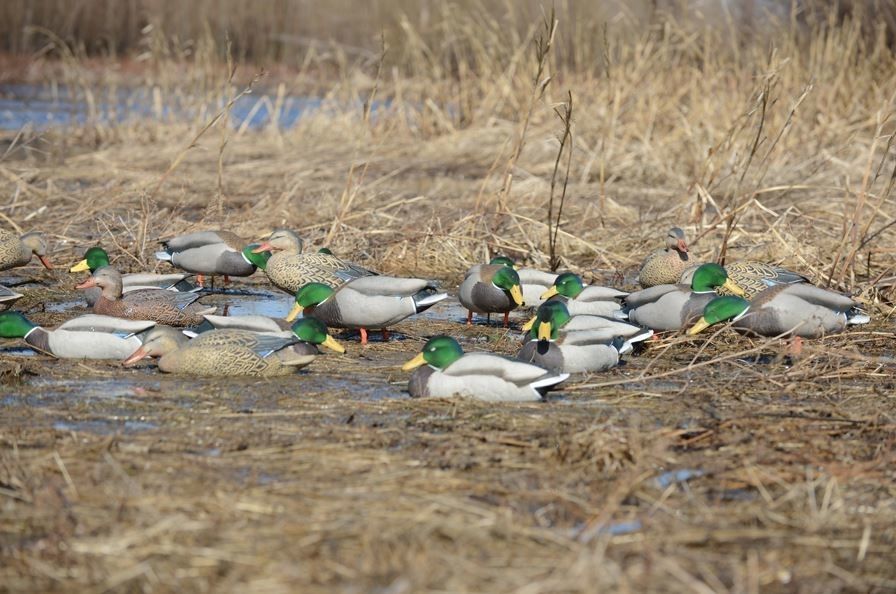 Hunting decoys are used to draw birds to an area in order to get a good shot at them. The use of decoys can drastically increase your odds of having a successful hunt. As waterfowl are migrating south, they will fly in groups. If they pass over an open body of water or a field and see decoys, it signals that is a safe spot to land in order to feed, rest, or mate.
The location in which you are hunting will dictate the number of decoys to set up. You will want a higher number of decoys when hunting in larger fields or bodies of water. There is no correct number of decoys you need, but you want enough of them to draw the attention of birds as they fly overhead. You can even mix Duck Decoys with Goose Decoys to draw in different kinds of birds and have a realistic spread.
Waterfowl Hunting Game Calls
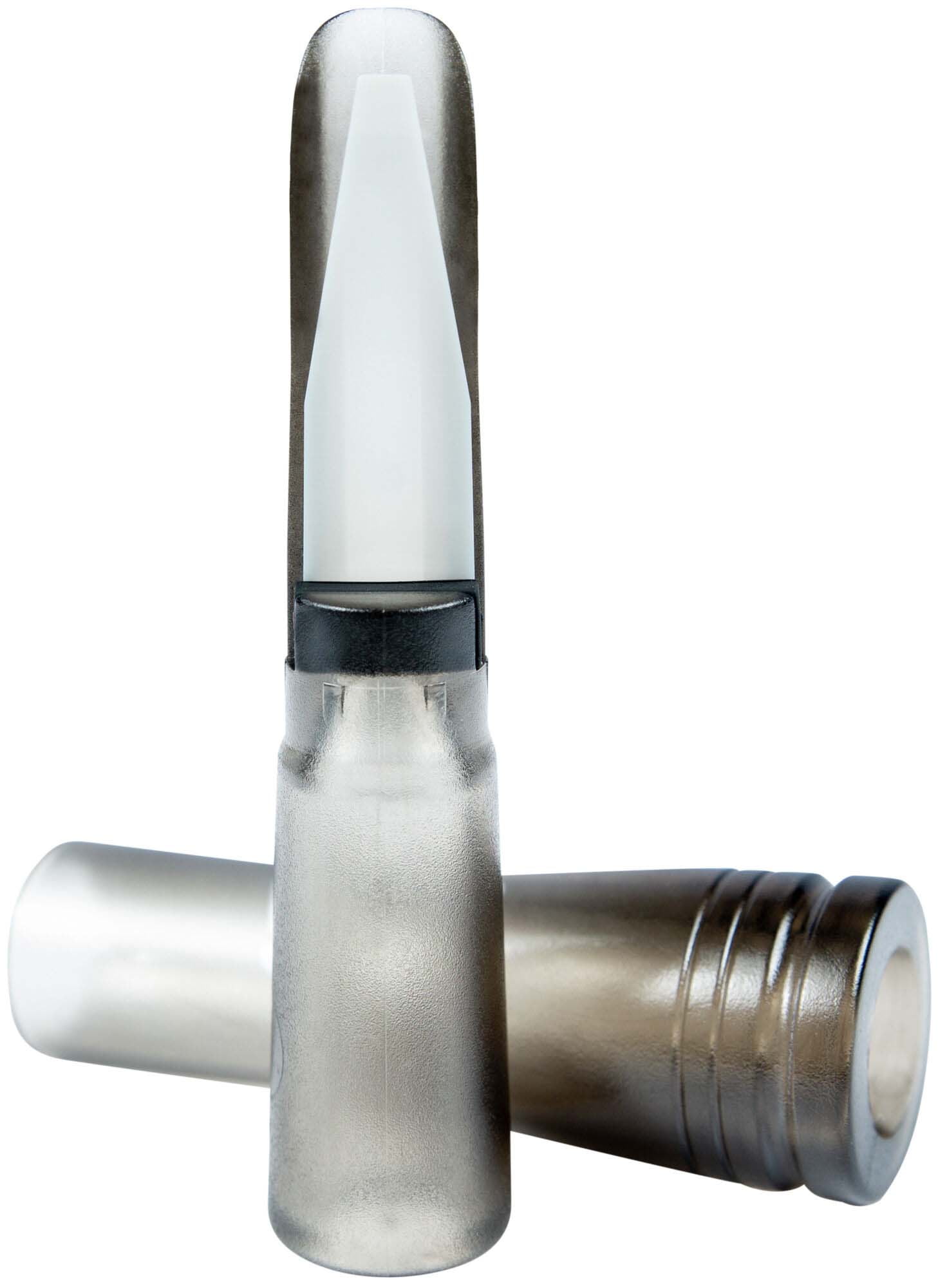 Duck calls and goose calls also are useful tools in order to draw the birds to your decoys. Birds flying overhead will often hear the calls of nearby birds before they see the decoys. Hunting game calls will increase their confidence about landing near your decoys, giving you a better shot. There are many different types of calls to mimic different ducks or geese.
Some different types of calls include Single Reed Calls, Double Reed Calls, and Whistles. These calls mimic various noises waterfowl make like quacks, greeting calls, feeding calls, hail calls, and comeback calls. Calling can also be a hard skill to master, and not calling correctly can scare birds off. Therefore, it is important to practice using your calls. Learn more about buying and using calls with our Game Call Guides.
Time for Waterfowl & Duck Hunting!
Waterfowl hunting is a fun and challenging activity. All you need to start is the proper permits, a shotgun with non-toxic ammo, a bird call, several decoys, and waterproof clothing. You will also need to read the regulations regarding what birds you can hunt and what the bag limits are. Whether you go waterfowl hunting by yourself or with friends, hopefully this guide improves your success rate.


