 Your Browser is Outdated


When it comes to ammo, there are countless brands, styles, and types to choose from. From bullets designed exclusively for self-defense to hunting rounds, various types of shotgun shells, target shooting bullets, and many more, finding the right ammo for your needs can be tricky if you’re unsure what the different terms and options mean. For this guide, we’ll help demystify some of these terms relating specifically to the different types of bullets available, giving you more information before you buy your next box. Specifically, we’ll focus on pistol ammo and rifle ammo, as getting into the myriad of exotic shotgun shells could be a guide all on its own, like our Shotgun Shell Color Guide. Instead, here is what you need to know about some different bullet types, their purposes, and their advantages.
Full Metal Jacket Ammo
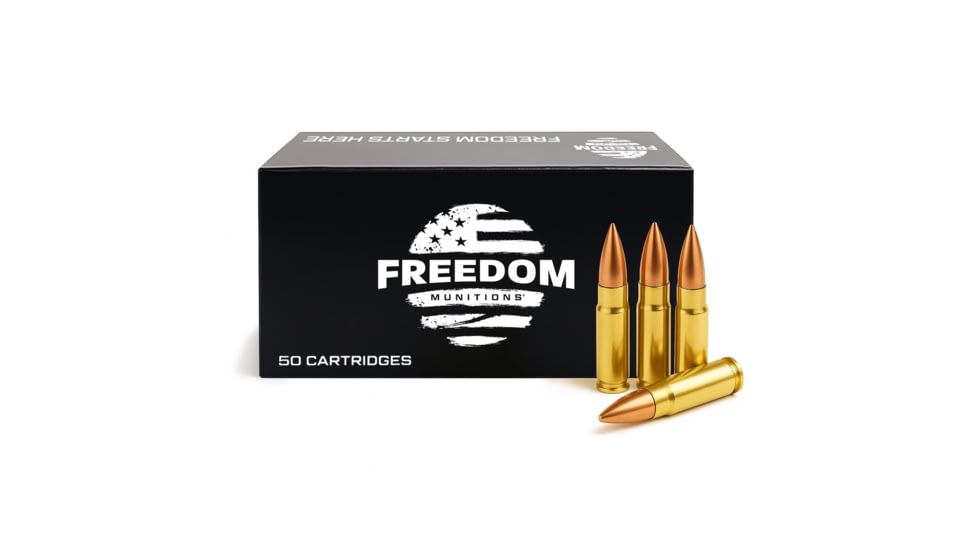 Available for both rifle and pistol calibers, full metal jacket (FMJ) ammo is likely the most popular option you’ll encounter. This is a “standard” bullet in most cases, as it’s the default and usually the safest option for target shooting. The name refers to the fact that the soft lead core is completely covered in a metal jacket, typically copper. This provides several advantages, notably exceptional penetration and reliability, as well as reduced barrel fouling. The penetration comes from the metal jacket taking the brunt of the impact force, allowing the lead core to maintain its shape for longer. The increased reliability (particularly in semi-automatic firearms) is due to the smooth surface of the jacket that helps the rounds move through the weapon easier, while the reduced barrel fouling is because the lead doesn’t directly contact the metal. Finally, FMJ ammo is usually the cheapest option available, so if you plan to go to the range, grabbing a few boxes is a great way to save money.
Soft Point Ammo
Even though FMJ ammo is often the standard type of bullet for modern cartridges, soft point (SP) is one of the oldest variations. The name refers to the fact that the point of the lead core is exposed, resulting in a “soft” point to the round compared to the harder jacket around it. This is extremely similar to FMJ ammo, except it isn’t fully enclosed. Soft point bullets are most common with rifle cartridges, both bottleneck and straight-wall cartridges, but some pistol rounds also utilize this type of bullet. Designed for deep penetration on soft targets to create large wound channels, SP ammo is an excellent choice for hunters who want to make sure they take down their targets without long tracking sessions. This type of bullet is also an excellent choice if you hunt with a lever-action rifle or other firearm that uses a tubular magazine, as the blunted or flat noses fit better inside without damaging the primers in front of them.
Hollow Point Ammo
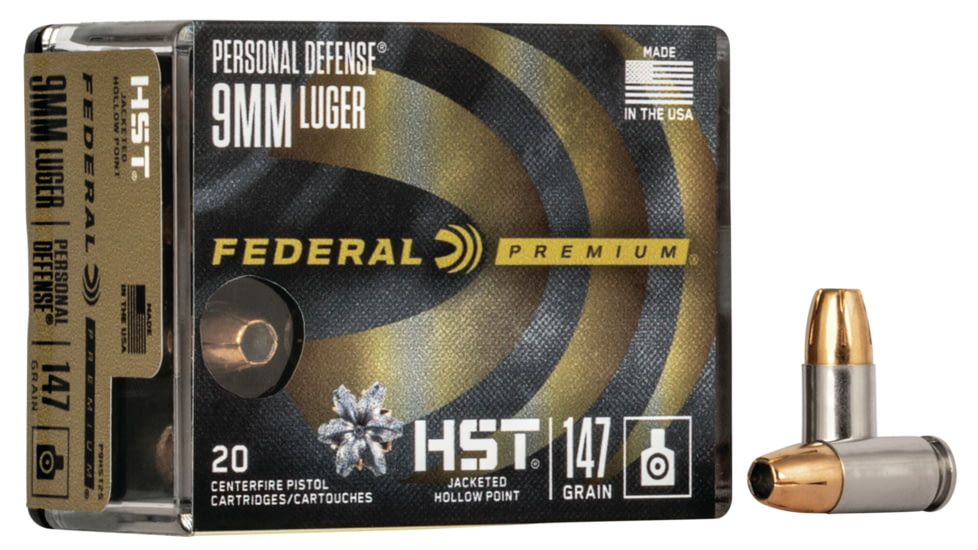 Hollow Point ammo is one of the most well-known and popular bullet types, and for good reason. As with most bullet types, the name is very literal, referring to the fact that the core of these bullets has an indentation where the point usually is, leading to a hollow area in the middle. While at first glance this seems counterintuitive, the design allows this bullet to be an extremely effective self-defense and hunting round. This is because the hollow center allows the bullet to expand outward like flower petals or the head of a mushroom when it impacts a target, creating a large wound channel while dumping a lot of the energy at once, helping prevent overpenetration. Preventing overpenetration is crucial in self-defense and home-defense scenarios, as the bullet is less likely to go through your target or a wall and into someone or something else. For hunting, the wide wound channel and maximum impact helps you ensure ethical kills, keeping the animal from escaping and suffering. When shopping for hollow point ammo, you might also notice jacketed hollow points (JHP), which are a combination of hollow point and FMJ ammo, where the copper jacket covers the bullet while leaving the hollow core. Additionally, jacketed hollow points can perform better in magazine-fed firearms and reduce barrel fouling, so they are a popular option for many shooters.
Ballistic Tip Ammo
Now we’re getting into the niche types of ammo, starting with ballistic tip bullets. Also known as polymer tip or plastic tip rounds, this type of ammo is categorized by the core of the bullet being a material other than a type of metal. They are designed like hollow point bullets, but the hollow is filled with the ballistic material. This usually takes the form of a dense polymer or plastic, and it provides excellent benefits for both long-range shooting and hunting. For long-range shooting, the ballistic core often weighs much less than lead, steel, or other metals, so your bullet can fly faster and flatter over long distances. For hunting, the ballistic tip also works similarly to hollow points, as the lead expands outward while the tip keeps moving forward, resulting in a large wound channel and rapid expansion. This type of ammo is often more expensive than others, and is usually only found in rifle calibers.
Armor Piercing Ammo
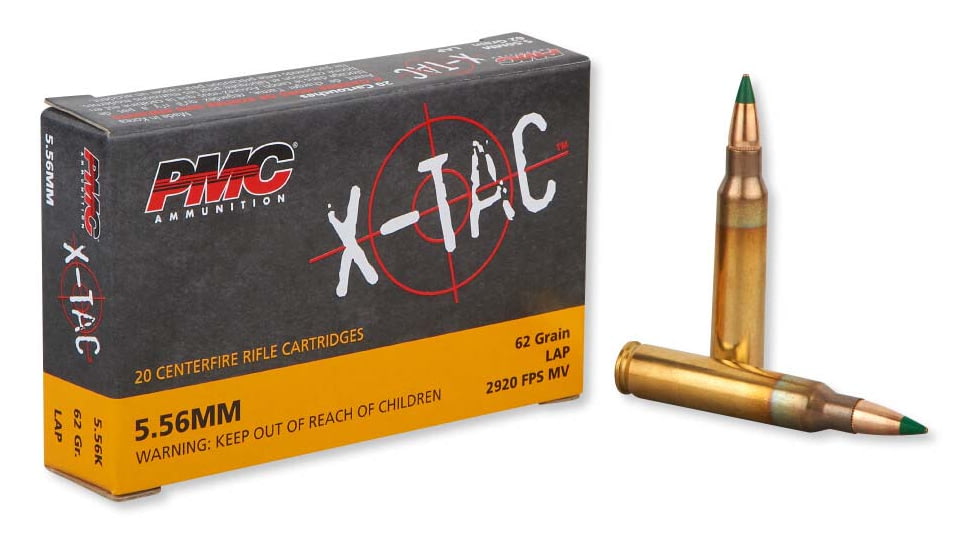 Also known as AP ammo, armor-piercing ammo is often the domain of law enforcement and the military. In fact, federal law prohibits civilians from importing, selling, or manufacturing armor-piercing pistol ammo, while allowing civilians to purchase and use armor-piercing pistol ammo. There are also many states that have specific laws against armor-piercing ammo, so you should always check your local and state laws before purchasing any. Aside from the legal ramifications, you might be wondering what makes armor-piercing ammo so special. First, “armor-piercing ammo” is more of a general term that encompasses several other types. However, what most of these have in common is that the core of the bullet isn’t lead. Instead, most AP ammo uses a hardened penetrator, which swaps the lead for a much denser, harder metal, such as steel or tungsten. In military applications, some rounds even use depleted uranium cores, which are extremely deadly and efficient. When shopping or learning about AP ammo, you might also run into the term “green tip” ammo, which refers to the 5.56 NATO M855 round used by the U.S. Military. This isn’t a different version of AP ammo, but is a common term for a specific caliber and style.
Wadcutter Ammo
While not as popular anymore, wadcutter ammo still has a strong spot as one of the more useful ammo types, especially among enthusiasts. This is because the flat, cylindrical bullet is flush with the edge of the casing and is designed specifically for shooting paper targets. This makes a large, clean hole in the target you’re shooting, giving you plenty of information about where the shot landed and how you can improve. This is also why it’s a preferred option for many shooting competitions, as it makes scoring much easier without small holes that can easily overlap. Instead, you get clean, consistent results with each shot, giving you plenty of information to work with. Wadcutter rounds were most popular in .38 Special, and they remain almost exclusively available in pistol cartridges, even if you will occasionally find a rare rifle round designed as a wadcutter.
Grab Some Ammo & Get Back to the Range!
Now that you’ve got some more info about a few of the various ammo types, it’s time to get back to training and practicing with your favorite firearms! If you want even more info, we have an Ammo Glossary that goes over a lot more terms and definitions you’ll encounter when shopping for ammo online. Check out our massive collection of red dot sights, rifle parts, and shooting accessories to make sure you have everything you need.

