Your Browser is Outdated


When it comes to outdoor activities like hunting, birdwatching, and sporting events in the nosebleeds, choosing the right optic is essential. Two of the most common sport optics used for enhancing visibility are spotting scopes and binoculars. Understanding the differences between spotting scopes and binoculars can help you make an informed decision based on your needs and budget. In this guide, we’ll compare both, highlight their benefits, and help you determine which optic is best for your outdoor adventures.
Spotting Scopes: High Power for Precision
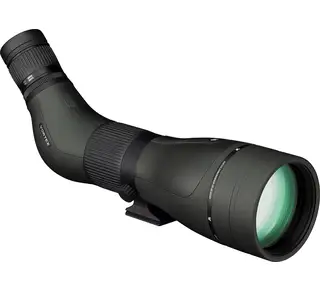
A spotting scope is a powerful, single-eyed optic designed to provide superior magnification. Typically mounted on a tripod, spotting scopes are ideal for long-distance observation. They allow viewers to see detailed images from miles away, making them perfect for long-range hunting, birdwatching, and activities where you intend to focus steady on a singular area.
Spotting Scope Benefits:
- High Magnification: Spotting scopes usually offer higher magnification levels (from 15x to over 60x), making them ideal for distant targets.
- Stable Viewing: Because spotting scopes are typically used with a tripod, they offer a steady, hands-free experience, which is crucial when tracking roaming wildlife or spotting far-off birds.
- Optimal for Detail: With their advanced optical capabilities due to their larger design, they excel in showing fine details of distant objects, whether you're spotting wildlife or scanning the horizon during a hunt.
Binoculars: Portability & Convenience
Binoculars are dual-tube, handheld devices that provide a wide field of view, making them ideal for mobility and quick observation. These lightweight optics offer convenience, as they allow both near and mid-range viewing, often with a lower magnification range than spotting scopes. They can also be used with a tripod or car mount for enhanced stabilization.
Binocular Benefits:
- Wide Field of View: Binoculars offer a larger, more expansive view, which makes tracking moving targets like birds or athletes easier.
- Portability: Their compact size and lightweight design make them a favorite for those on the move, especially during activities like strenuous elk hunts.
- Versatility: Binoculars are adaptable for a variety of activities, from sports events to wildlife watching or even astronomy.
Spotting Scopes vs. Binoculars Comparison Chart
| Features | Spotting Scope | Binoculars |
|---|---|---|
| Magnification | Higher magnification (15x to 60x or more) | Lower magnification (typically 7x to 12x) |
| Field of View | Narrower field of view, ideal for detailed zoom-in | Wider field of view, better for tracking movement |
| Portability | Requires tripod; less portable | Compact, handheld & highly portable |
| Stability | Extremely steady with tripod use | Handheld, subject to shake |
| Ease of Use | More setup required | Quick, ready-to-use |
| Price | Typically more expensive due to high magnification & tripod | More affordable with entry-level models |
Spotting Scopes vs. Binoculars: Which One Should You Choose?
Both spotting scopes and binoculars offer unique advantages, and the choice largely depends on your specific needs and activity.
- If you need to zoom in on distant subjects or plan to spend time in one location (like waiting for game or bird watching), a spotting scope is your best option. It delivers high magnification and detail, making it ideal for long-distance observation.
- If portability, convenience, and a wide field of view are more important, then binoculars are the way to go. Their lightweight design makes them perfect for active use, such as hiking, birdwatching on the move, or attending live events.
Whether you are an avid birdwatcher or hunter, both spotting scopes and binoculars have their merits. Spotting scopes excel in magnification and detail, while binoculars are better for portability and ease of use. Consider your activity, distance requirements, and budget when making your decision. In many cases, having both can offer the versatility to handle any situation you encounter. Check out our guides on How to Choose a Spotting Scope and How to Choose Binoculars to learn more about the advantages and disadvantages of each.