 Your Browser is Outdated


Whether you're planning for an easy day hike on the trails or an extended trek through the mountains, a well-stocked pack is essential. Every adventurer knows that staying prepared is the key to survival, and while you may not think much is at stake on a casual hike, the right gear can make a huge difference when you have limited contact with the outside world.
Since a hike involves extensive strenuous activity, the gear you need differs from what you would bring on a casual camping trip or hunting excursion. Additionally, you can hike year-round, meaning that your needs constantly change throughout the seasons as a backpacker. Make yourself an outdoor expert with our Hiking Checklist and ensure that you have the basics to keep yourself prepared for anywhere your feet can take you, even if that means the wrong way!
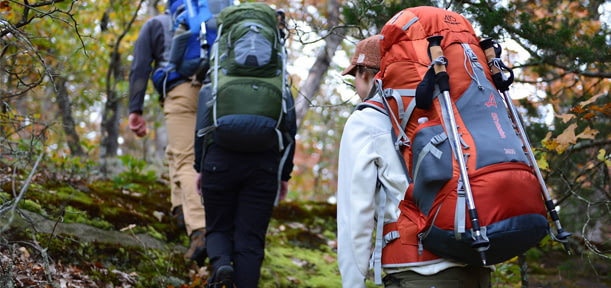 This guide covers all the things you need for a safe, mid-length hiking trip, with suggestions to adjust for different weather conditions and trip durations. Always be sure to check the weather before you pack for your hike, as it can drastically affect what you need to bring.
We are here to ensure that you have everything you need to remain calm and in control of the situation, even in the case of an emergency. While most hikes proceed without a hitch, it's always best to prepare for the worst. Even when you travel in a group, you can't depend on your friends to have all the equipment your trip needs, so make yourself the dependable person in your group. With lightweight options to keep your pack comfortable, you'll find everything you need in our comprehensive Hiking Gear List.
As you start packing for your next hike, PRINT OUT our Hiking Gear Checklist to ensure you don't forget any of the essentials!
What's Covered in Our List?
- Water
- Water Bottle
- Backpack
- Hydration Pack
- Hiking Boots
- Hiking Socks
- Flashlight
- Headlamp
- Sunglasses
- Sunscreen
- Hat
- Multi-Tool
- Knife
- Firestarter
- Matches
- Map
- Compass
- GPS
- First Aid Kit
- Sleeping Bag
- Tent
- Emergency Blanket
- Camping Cookware
- Rain Jacket
- Weather Appropriate Clothing
Hydration for the Hiking Trail
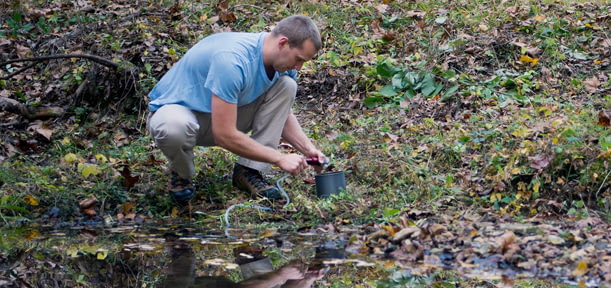
Arguably the most important thing on this list, trips of all lengths require copious amounts of water. Dehydration is a real danger when you're out in the sun, and strenuous activity without proper hydration poses a major threat to your health, especially when you're dealing with higher altitudes. Inspect your route on a map ahead of time and find the distance between available refill stations to determine how much water to bring.
Many water bottles can attach to your backpack with a carabiner, saving you room and preventing spills in the interior storage area. For added protection against spills and more carrying options, a water bottle holder can easily attach to a PALS or MOLLE webbing system for convenient, hands-free carry. Depending on the distance you're walking, bring at least one extra filled water bottle. With water bottles in a variety of sizes and shapes, you can easily find the right option that won't weigh down your pack.
For longer trips or difficult terrain, a hydration bladder offers more freedom and an easier carry. Many hiking packs offer a specialized pocket for your hydration system and loop the drinking tube up to your mouth, making this a convenient option when your hands are full and your focus is on the path. Find one that fits your pack perfectly for long trips or get a mini (<1L) hydration system for day hikes.
To ensure that you have drinkable water wherever you go, invest in a portable and lightweight water filtration system. This is especially necessary when you're in an isolated or desolate area or hiking in the mountains, where rest stops with water are few and far between.
Why Hiking Boots Are Essential
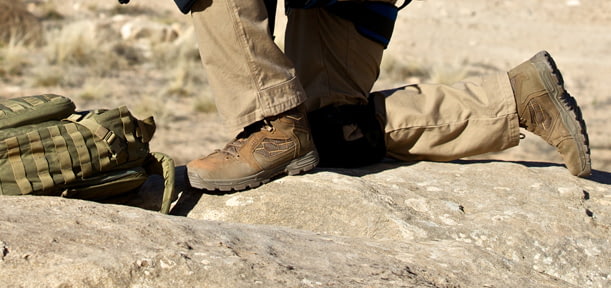
Hiking in the wrong footwear can cause everything from uncomfortable blisters to painful sprained ankles, which will stop your hike dead in its tracks. While many prefer wearing gym shoes for casual hikes, you should fully protect your feet for any length hike. Your footwear should be fitted for your terrain and most importantly, be comfortable.
A pair of lightweight hiking boots require the least amount of break-in and offer solid protection on uneven and inconsistent terrain. Solid traction and internal padding are necessities, ensuring that you stay on your feet for as long as possible. Frequent stops for adjustments can kill your motivation, and foot pain is the first thing that will send you packing right back home.
Whether you prefer mid or high-top hiking boots, you need a pair with enough coverage around your ankle. Minimal flexibility along the top of your shoe maintains your stability and protects you from the injuries you encounter with flimsy walking or running shoes. After extensive hiking, you'll start to notice additional comfort benefits when your ankle is catered to.
Before you slip on your favorite boots, don't forget breathable and water-repelling socks. We recommend to avoid cotton pairs that hold moisture and switch to wool or synthetic materials for the best performance. Full-coverage pairs up to your ankle provide long-lasting comfort and prevent chaffing.
Flashlight & Headlamp for Hiking
No matter what time of day you're hiking, a flashlight is one of the most valuable survival tools. When searching for the best hiking or backpacking light, look for lights with a high water-resistance rating, known as an IPX rating and one that features different modes such as "moonlight" and "beacon". Always pack extra batteries to ensure that your beam stays strong!
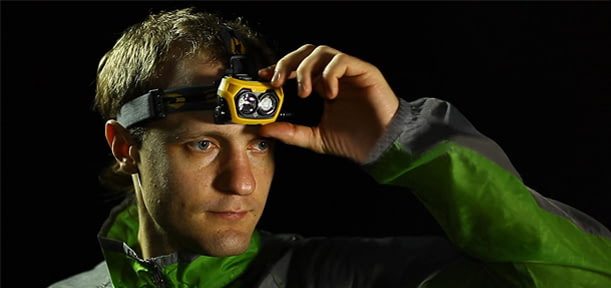
For lengthy night hikes, a headlamp is an excellent option to stay hands-free and offer more freedom to explore. Many headlamps have rotating heads, allowing you to freely direct the beam wherever you need light most. Because headlamps offer a brighter, more intense beam, it is valuable to use your headlamp sparingly if it has a low runtime.
Sun Protection on the Trail
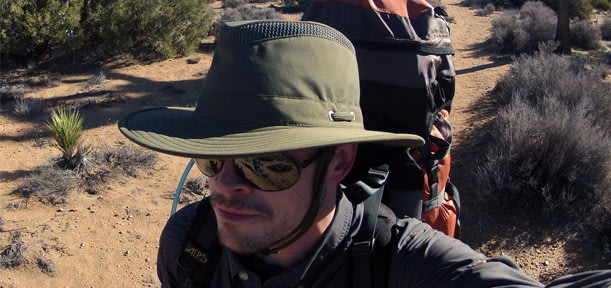
All weather conditions can negatively impact your skin when you're hiking the majority of the day. Whether it's cloudy in the summer or sunny in the dead of winter, UV rays are a real danger to your skin and eyes. Sunburn can quickly put a damper on your trip, so do everything you can to protect yourself from the sun.
Sunglasses are a must during the day. While UV protection is crucial, you can also find additional useful features for your shades that eliminate glare or improve color clarity. Glasses also protect your eyes from debris on the trail. Especially when you're trekking at high elevations, protective eyewear is an absolute necessity.
To prevent uncomfortable burns and skin damage, extra sunscreen and protective lip balm are also important. When you're out in the sun and sweating as you walk, your coverage begins to wash away long before your hike is over. Be sure to stop and reapply frequently, even if you purchase the sweat-resistant kinds. To prevent spills in your pack, it's best to carry your sunscreen and insect repellant in secure plastic bags.
Your head is especially susceptible to sun burn, and a wide- brimmed sun hat can be just the thing to keep you cool, comfortable, and safe. The perfect solution for unexpected rain, hats are an easy way to feel your best during a long hike.
What Is the Best Multi-Tool for Hiking?
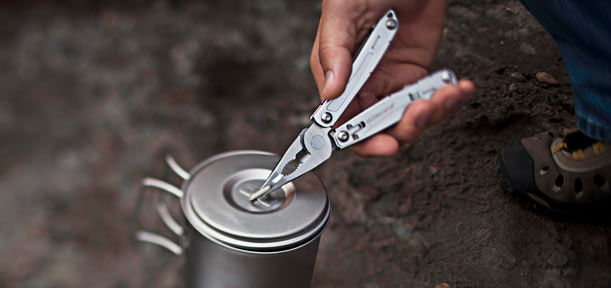
Carrying around a whole tool kit is impractical, but a few extra tools can quickly turn around a trip gone wrong and get your hike back on track. A lightweight, small multi-tool ensures quick repairs or food prep go without a hitch. Be smart about which multi-tool option you choose, however – less is more when you're saving weight in your pack, and if all the tools in your multi-tool aren't useful for your trip, then they are dead weight.
Some multi-tools come with a belt pouch or fit easily on your keychain, making them easy to bring everywhere with you. For overnight or multi-day trips, more tools are useful to help you start a fire, fix your tent & gear, and prepare food. If you're more comfortable with a Benchmade Knife, a standard clip or drop point folder will do the trick as well, especially if it touts a partially serrated edge.
Overall, the smaller your multi-tool is, the better. Whether you carry it in your pack or your pocket, extra weight can drag you down and having more tools isn't always better. For the best protection, an average sized folding knife (between 3-3.75in) and a small multi-tool cover all of your bases to ensure full coverage for any situation. Read our Multi-Tool Buyer's Guide for more tips on selecting the best mutli-tool for outdoor use.
Materials to Make a Fire
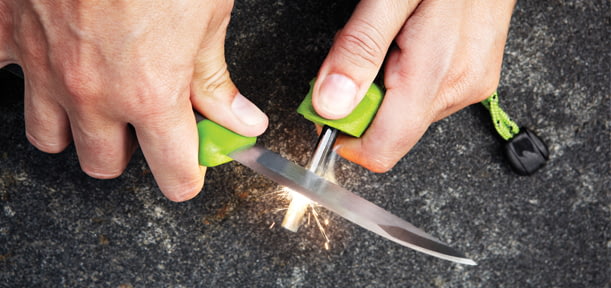
Even if you're only on a day hike, one slip during a stream crossing or unexpected obstacle may force you to extend your trip and warm up by the fire. Unless you're lucky enough to find flint, extra gear to start your fire is essential to warming up quickly. Whether you're boiling drinking water or drying your socks, the ability to start a fire quickly drastically increases your comfort.
For longer trips, these tools are absolutely essential so that you can have a warm meal and heat source on chilly nights. Even when a fire isn't imperative, sitting around a campfire is always a nice way to bond with your hiking group or family.
If you bring nothing else, always have weatherproof matches. While a lighter is unreliable in wind and can run out of fuel when you need it most, a pack of waterproof and windproof matches are dependable even when the weather is at its worst. Many of these matches can be struck anywhere, so even if the box is overused or damaged by water, you can easily strike a match on a nearby rock and get your fire roaring. With this, always bring extra tinder for peace of mind; you can easily make tinder from common household items, like cotton balls dipped in Vaseline or dryer sheets to ensure that your fire starts.
We also recommend bringing an emergency firestarter. Plenty of firestarters are small enough to fit on your keys, making them an efficient way to lighten your pack. When your matches fail you, a firestarter can get your fire burning even in the worst conditions, so it's best to keep one on you at all times.
Navigation & Orientation Tools for Hiking Trails
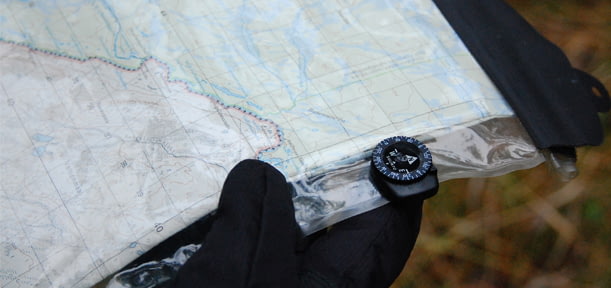
While plotting and planning a hike, you might spend hours examining a map of the area and intelligently designing your route. However, just because you know the plan doesn't mean you can't get turned around and lost. It's easy to lose your way when you're in the wilderness, and keeping yourself on track can be the difference between safety and danger. For that reason, you should always bring a physical copy of your map with you. Establishing stops with a group and keeping track of the trail can lead to a much more successful hike.
However, for some adventurers, a map is essentially useless without a compass. With both original and digital compasses available, you can ensure that you're headed in the right direction, even when your environment doesn't offer any orienteering clues. Since wandering through the forest can be fun for some, a compass is necessary when finding your way back to the car or camp, especially when searching for firewood and your focus is diverted. If you're new to navigation and orienteering, we have tons of books across a wide range of survival subjects available.
Hiking First Aid Kit
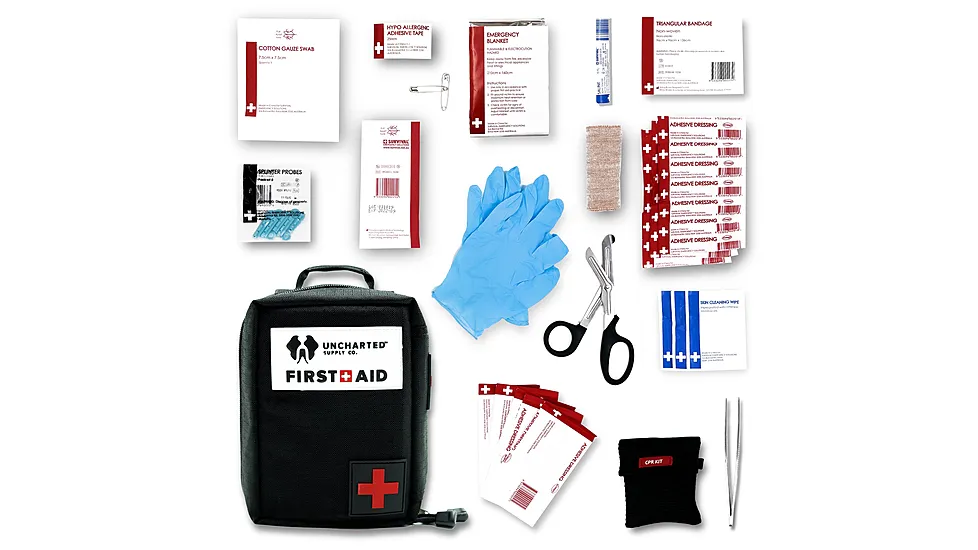 Injuries can happen at any time, and when you're far away from the nearest hospital or doctor, you need quick, effective solutions in an emergency. Whether you're disinfecting a minor cut, wrapping a sprained ankle, or treating a burn, you'll find everything you need in a quality first aid kit. Before you head out, make sure the kit is fully stocked and ready for anything that may happen.
When you're traveling with a group, bring extra medical supplies in case someone else's kit is lacking. There are many comprehensive cases available, or if you're knowledgeable about first aid care, formulate your own kit to fit your perceived needs. Please do not try to create your own kit without prior emergency medical training.
A first aid kit is also a great place to store extra snacks when your energy gets low. Even if you're on a short and simple day hike, energy bars or other trail snacks can give you a healthy boost when you need it most. Especially during injury, your body needs all the support it can get, and a quick bite can help until your next checkpoint or meal. If your trip is unexpectedly delayed, you'll keep your energy and blood sugar at comfortable levels.
As mentioned previously, do not forget sunscreen or bug repellant. Common injuries and discomfort can come from a particularly aggressive sun burn or a nasty insect bite, and these injuries can easily be avoided with the right protection. Always carry extra travel size bottles of these necessities in your first aid kit, along with aloe vera soothing cream and anti-itch cream to protect you when these incidents occur.
Camping Gear Necessities
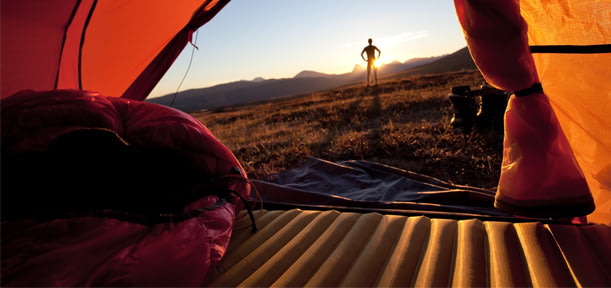
If you plan to continue the trip into the evening, proper camping gear is a must to maintain your comfort, safety, and motivation. Depending on the size of the group, an appropriately sized tent allows you to spread out while sleeping and protect yourself against bug bites or inclement weather.
Many heavy-duty tents are made from rip stop material to prevent damage and come in a small, all-encompassing bag for easy carry and reduced weight. If the tent's parts fail, bring extra paracord to properly secure it.
A weather-appropriate sleeping bag is imperative for when the temperature drops. Many sleeping bags offer different levels of protection to specific temperatures, so bring the right one based on the regular climate and expected weather.
Being out in the wilderness doesn't necessitate sacrificing your comfort, and plenty of high-end sleeping bags are lightweight and all-inclusive, reducing the weight of your pack. For a lightweight alternative on warm nights, every hiker should have an emergency blanket that you can use to warm up after an unexpected rain or provide a comfortable sleeping situation. Many top-tier first aid kits come with a reflective emergency blanket as is, but double-check yours before leaving.
If you are camping for more than a day, camp cookware can easily transform your catch of the day into a gourmet meal. Always bring extra food to keep your energy high, especially since finding food can be a challenge after dark. Always pack enough food to last you through an additional day on the trails. Grabbing some MREs and Survival Food is always a good plan before heading out on an extended trip.
Comfortable Clothing for Hiking
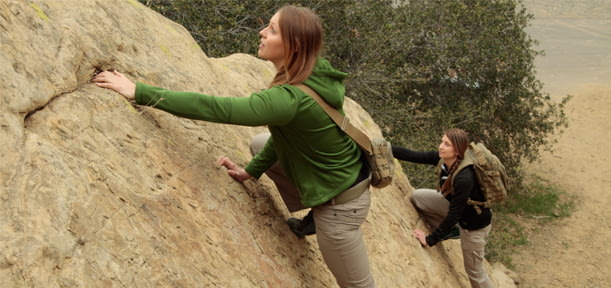
Many people know how to dress for a hike, but preparing for unexpected weather changes takes some practice. Track your hiking season and adjust your pack accordingly. For example, while you should generally pack a lightweight rain slicker, it may not be necessary to carry a bathing suit. While not vital, we do recommend bringing along another set of clothing even for day hikes, but the amount of clothing you bring should never be more than what you can wear at one time.
Layers are crucial, but instead of trying to stuff a parka in your bag, bring lightweight and compact sweaters instead. Cold weather accessories, like gloves and warm hats, should be included during spring, fall, and winter, to account for potential temperature drops. Avoid cotton, which will absorb water and make you colder.
Hiking Backpack
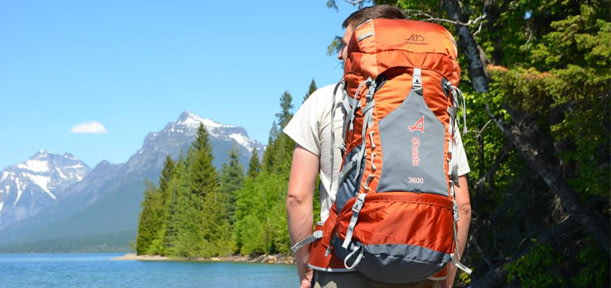
You can't bring all of these things along without your trusty pack! Depending on the length of your trip, you may benefit from a smaller, less rigid daypack or a sturdy pack with a full frame. Regardless which pack you choose, the bag should have a sternum strap and belt strap to properly distribute the weight and allow you to carry your gear with less discomfort. For more help on how to choose the best backpack for you, take a look at our Backpack How To Guide.


