 Your Browser is Outdated


Hunting for Beginners

While everyone was a beginning hunter at some point, the thought of taking a first-timer out can be overwhelming, even for a seasoned shooter. Teaching something you know so well not only makes you a more perceptive and aware shooter, it also allows you to pass your expertise on and start someone else's journey with hunting.
My name is Keith Warren, and I host a program called The High Road. For over 30 years, I've traveled the world hunting big game, and today, I am going to offer some useful tips and guidance on leading someone through their first time in the field.
Do Your Research - But Not Too Much
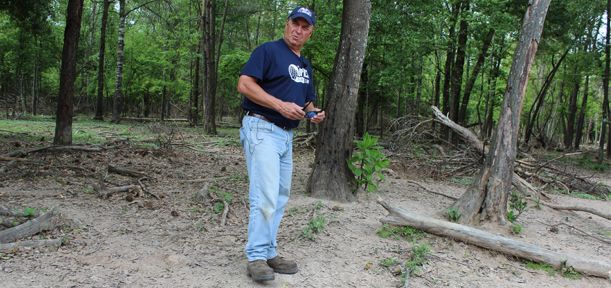
Hunting is all about learning in the field. While watching YouTube videos on proper shot placement and bullet selection may be helpful for new hunters, it's easy to get caught up in trying to learn it all and never feel prepared enough to enter the field. You're always learning on a hunting trip, and a newbie is bound to make mistakes.
Reassure your student that mistakes are bound to happen, and with practice and focus, hunting will get easier. Instruct your student to recognize their successes and failures; they can utilize this information to get a clearer picture of how to improve their hunting success. No one needs to be an expert before they go hunting. You just have to go.
Respect and Understand the Animal You're Hunting
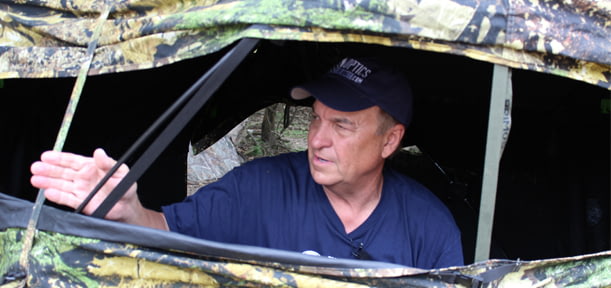
An animal does not think – it reacts. Due to this, it's important to understand your animal's acute senses. An animal is smart enough to get itself out of danger, so make sure that you don't underestimate and disrespect your target.
While a new shooter can easily get discouraged from losing an animal, it's best to inform them that an animal's senses are highly attuned to its environment. A slightly different smell or a slight rustle can make all the difference in your hunting success. Ensuring that your newbie understands how to appeal to an animal's senses or fly under the radar is half the battle.
Commit Time to Teaching and Learning
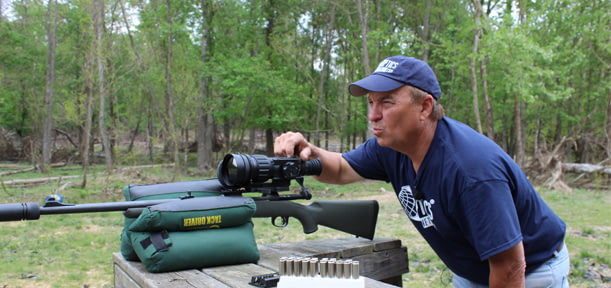
How do you spell love? TIME. Many avid hunters became skilled after years of childhood hunting trips with fathers and uncles. These men dedicated time and energy to ensuring that you learned the basics and felt prepared while also imbuing hunting with passion and a love for the outdoors.
I recommend short bursts of patient teaching, where the new shooter listens to everything I say. This keeps a young hunter's attention span engaged and doesn't overwhelm them with too much information. Remind your new shooter to will their bullet or arrow right to their target for added inspiration, and they'll be hitting their target in no time.
Keep the Trip Short
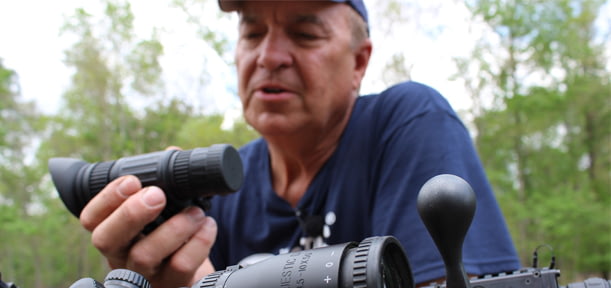
It's easy to get burnt out on something you haven't mastered. While you may love weeklong hunting trips, a young hunter may get frustrated and quickly give up. Instead of trying to teach every lesson in one fell swoop, give your new shooter the chance to learn at a comfortable pace and decide how engaged they want to be.
If you keep the trip short, you'll leave your newbie wanting more. Finally, when they reach out to you and ask you to go on another trip, jump on the opportunity and take them!
Have Fun!

Hunting is about having fun and enjoying yourself. While it may be hard to compete with all of the gadgets and luxuries available in everyday life, hunting is a nice vacation from all of that and an opportunity to bond. How do you compete with that? Keep having fun!
If you take your teaching too seriously, you may end up with an obstinate student who is simply waiting to head home. You remember how fun hunting was when you were a kid – keep the pressure low and ensure that everyone has fun on your weekend away!


