 Your Browser is Outdated


Whether you’re a seasoned deer hunter or a first-timer, you need to be prepared if you expect success. We’ve put together some tips to help you get ready for deer hunting season. Those of us who have spent years (or decades) out hunting will recognize that some of these pointers would have been really helpful before we made the mistakes.
What Is the Best Way to Prepare for Deer Hunting Season?
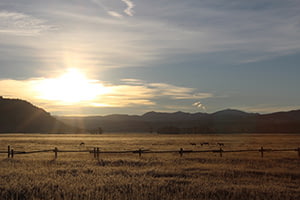
- Start Early: I don’t just mean getting up at an obscenely early hour on opening day; that’s a given. I like to prepare for the next deer season on the day after this deer season. That means cleaning my gun and gear properly for long-term storage and making sure everything is organized and put away.
I start checking my hunting backpack and gear a few weeks before deer season starts. This allows enough time to see if any clothing is worn out or if anything else might need to be replaced. It’s also when I sharpen my hunting knives and tinker with the other gadgets I take out in the field.
A huge common mistake is trying to spend the last few days before a deer hunt scrambling at the last minute, and this 100% means you’re going to forget something important. Start today, do something, even if it’s just getting your gear spread out to see what you need to add. 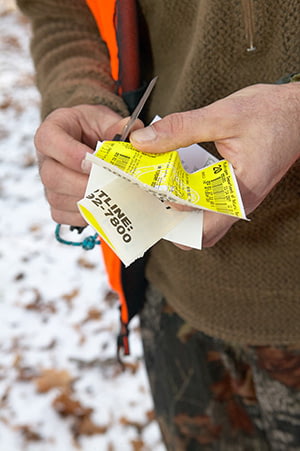 Get Your Paperwork in Order: This goes hand-in-hand with starting early. Make sure you have all of your hunting licenses and tags in order long before the season starts. Make sure you understand all of the deer season dates, hunting regulations, bag limits, and other legalities before going out.
If you’re a first-time hunter, make sure you complete any required Hunter’s Education courses with plenty of time before deer hunting season. If you put this off, there may not be room for you in a class that’s just before opening day. Not having a hunting license may also mean you’re ineligible to put in for a draw.
If you’re lucky enough to live in a place where over-the-counter tags are still a reality, it can make this part really easy. Keep in mind that general hunts in over-the-counter units mean anyone can get a tag, particularly if they aren’t capped or have a very high cap. That means you may wind up stepping all over other hunters, and the excessive pressure will drive the deer out of the area entirely.
Going for a draw tag? Start early. Make sure you have your application(s) in well ahead of the deadline. This won’t increase your odds, but it isn’t something to put off. Year after year, we hear stories about deer hunters procrastinating until they missed the deadline. With online applications available, there’s really no reason to miss the boat.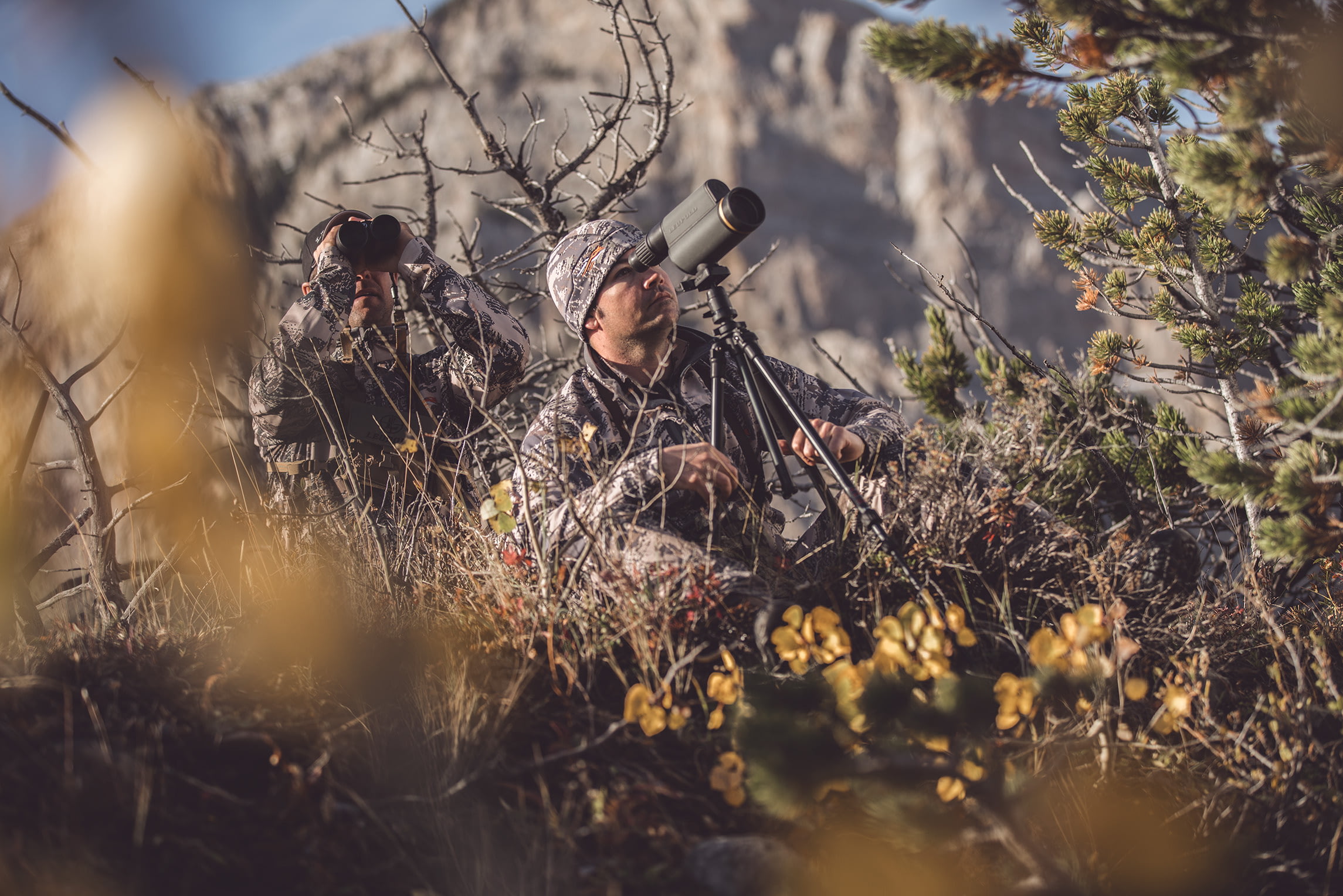 Scouting Tips: Ideally, you’ll live within driving distance of your deer hunting spot. Go out and hike around the area in the offseason to look for where big game is moving around. Look for game trails, water sources, bedding areas, and food sources. If you’re going to use a tree stand, look for suitable stand locations that provide enough cover around heavily trafficked areas. Setting up trail cameras will also help you have an idea of deer movement during different times of the day.
As deer hunting season draws nearer, usually late summer or early fall, you should scout areas and check trail cameras less often. Too much activity can wind up spooking that big buck and all the rest of the deer.
If you’re going to be traveling a long way and even a weekend trip for scouting your hunting area is impossible due to time or budget, you can still get the lay of the land. Use online maps to zoom in on potential deer travel routes and compare them with the access points. Browsing social media and forums from the area can get you some great leads, especially for public land hunts.
If you’re hunting private land that doesn’t belong to you, make sure you have the landowner’s permission to scout. It’s not only common courtesy, but it will also give you a chance to build a relationship by offering to help with any chores around the place or just a friendly face-to-face chat to help put them at ease with you hunting their land.
Heading out west? Read Gear Basics for a Western Scouting Trip for some specific tips!
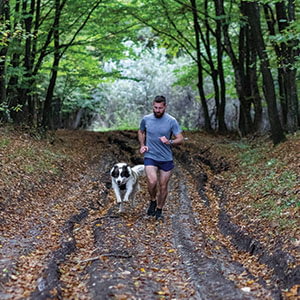 Train: Make sure you’re healthy and fit enough to go deer hunting. ATVs and 4-wheel-drives are great for getting in and out of hunting areas, but if you have to rely on them due to poor fitness, you’re not likely to see many deer.
Vary your exercise with a good mix of cardio, strength, stamina, flexibility, and even some meditation. Getting in and out of hunting areas can be a lot of work, particularly out west where tough climbs are just part of the game. Once you get a deer down, the work really begins. Loading up your hunting pack when you go scouting is great practice and exercise, and it might just change your mind about how much gear you want to lug in.
Check out the tips in our 7 Hunting Workouts You Can Do Without a Gym!
Note: If you have a disability that limits your mobility, there are often special exceptions in hunting regulations for you. Depending on your disability, this may mean that you can hunt from a motorized vehicle or use different weapons like a crossbow in archery season. In these cases, you may also want to consider a ground blind that’s easier to get in and out of so that you’re ready to go before dawn without any noisy engines.
- Practice: Make sure you put in plenty of practice time with your rifle or bowhunting rig.
Even minute changes in your hunting ammo or arrows can change accuracy, trajectory, and ballistics.
If you’re going deer hunting with a rifle, make sure the scope is properly zeroed with the ammunition you’re going to hunt with. Once it is, only use that exact same ammo when you’re practicing at the range. Even if you’re using the exact same rifle, scope, and ammo as last year, you still need to take a few practice shots to make sure everything’s in order before every hunting season.
The same goes for archery—practice with the same arrows and broadheads you’ll be using during deer season.
It’s important to think of real-world conditions as you’re practicing at the range. The field is rarely going to present you with that perfect shot in ideal weather. Practice from sitting and kneeling positions. Rifle hunters should also practice shooting in an off-hand standing position, too. You can use our guide on Where to Shoot a Deer From Different Angles to help you out with this.
Mule Deer Hunting vs. Whitetail Deer Hunting
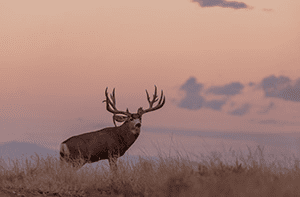
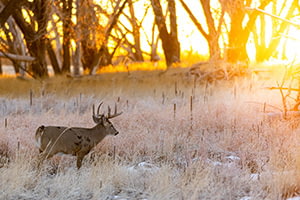 Keep in mind that mule deer and whitetails have different habits and challenges that come with hunting the different animals. It’s rare for a western muley hunter to be sitting over food plots rattling antlers. It’s rare for an eastern whitetail hunter to put in a dozen miles spot-and-stalking in rough terrain. Be sure to study up on the habits and habitats of these different deer and read up on as much as you can about hunting the specific type of deer you’re going after.
Time To Go Deer Hunting!
This is just a primer on how to prepare for deer hunting season, but it should give you an idea of where to focus your time and energy. You can find all of your hunting gear and more at OpticsPlanet.com and learn more in our Hunting Gear Guides from our own in-house experts and enthusiasts. Happy hunting!


