 Your Browser is Outdated


Ballistic charts are helpful tools for understanding the trajectory of a bullet. Trajectory refers to the path followed by a projectile flying or an object moving under the action of given forces. These ballistic charts or tables can be used for various aspects of shooting, such as long-range target shooting and hunting. Ballistic charts accumulate various types of ammo data regarding bullet type, muzzle velocity, ballistic coefficient, and environmental factors to provide the most accurate information like bullet drop, bullet velocity, and energy. Competitors and hunters can use that information to form an effective shooting solution. 
Basic Ballistic Terminology & Components to Know
- Velocity: The velocity of a bullet is typically stated in Feet Per Second (FPS). A bullet's velocity can be impacted by the specific cartridge, barrel length, bullet weight, and certain environmental factors.
- Energy: When looking at a ballistic chart, the bullet energy is usually stated in Foot Pounds of Energy (Ft/Lbs). This is the amount of kinetic energy a bullet has at a given distance.
- Ballistic Coefficient: This is the measurement of how well a bullet overcomes air resistance in flight. The higher the ballistic coefficient (BC), the less affected a bullet is by air resistance. This allows a bullet to retain both velocity and energy as it travels.
- Bullet Drop: The trajectory is a bullet's flight path once it leaves the barrel. Gravity is also pulling the bullet toward the ground, so bullet drop is a linear measurement of how much the bullet falls below the muzzle at a given distance.
- Environmental Factors: There are different environmental factors that also impact bullet performance. These include air density, temperature, wind, elevation, and humidity.
What Is the Velocity of a Bullet?
The velocity of a bullet is determined by different factors but starts with the cartridge firing the bullet. A cartridge with a larger case capacity will propel a bullet faster than the same caliber and weight bullet being fired from a smaller case. Velocity is also determined by bullet weight. The same cartridge shooting a heavier bullet will have a slower velocity when compared to the same cartridge firing a lighter bullet.
What Is the Energy of a Bullet?
The energy of a bullet is determined by its velocity and weight. Energy is an important component when shooting, particularly for hunting. When hunting, you want to ensure the bullet and cartridge you are using have enough kinetic energy for ethical takedowns. As velocity decreases, so does the energy of a bullet. Therefore, the distance you are shooting an animal from will also impact the effectiveness of a bullet's energy on target.
What Is Ballistic Coefficient?
The ballistic coefficient of a bullet determines how well it can deflect air resistance. The higher the ballistic coefficient, the more effective a bullet is at deflecting air resistance. This will allow a bullet to retain velocity and energy for a longer distance compared to a bullet with a lower ballistic coefficient.
There are two types of ballistic coefficients, G1 and G7. The G1 ballistic coefficient is for flat-based bullets, and the G7 ballistic coefficient is for longer boat tail bullets.
How to Use a Ballistic Calculator or Chart
A ballistic calculator, or ballistic chart, is a tool you use to plug in the information listed above to get a bullet's trajectory, velocity, and energy at various distances. A bullet's trajectory is affected by each of the pieces of information in this guide. Ballistic energy calculators also take into account environmental factors such as elevation, humidity, temperature, and wind. These factors primarily affect the air density, which impacts the bullet's flight. The higher the air density, the more resistance a bullet will have in flight.
The environmental factor that tends to have the most impact on bullet flight is wind. Wind needs to also be accounted for when shooting or using a ballistic calculator. Anemometers are tools used to measure wind speed, and this information can also be used in a ballistic drop calculator. Once this information is plugged into a bullet ballistics calculator, information such as how high you should hold your reticle on your target and whether you need to hold left or right will be provided to the user.
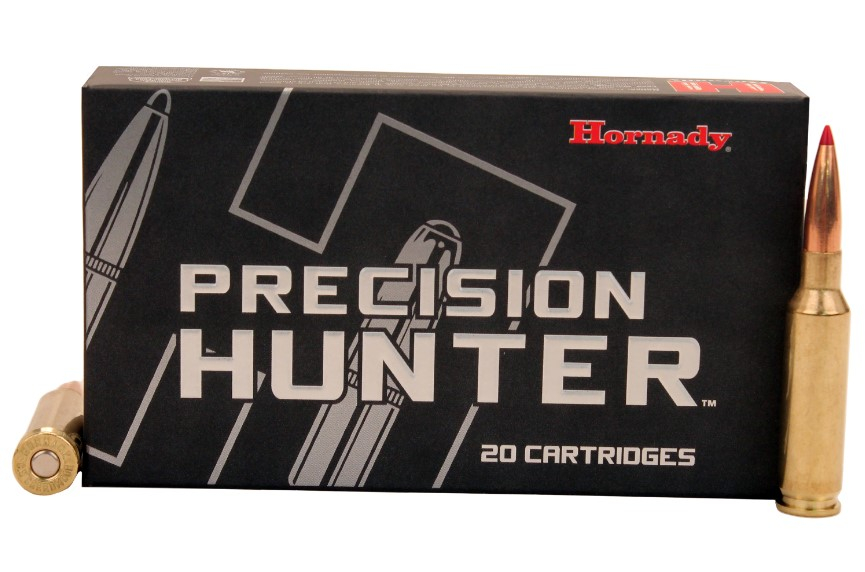 Many manufacturers provide a basic ballistic chart for specific cartridges on the box of ammo. These charts usually include the bullet's velocity, energy, and drop at various distances and provide a rough estimate of its effectiveness for your application. Manufacturers will often provide a bullet's ballistic coefficient so that the user will not have to calculate it on their own. The information below is an example of ballistic information provided by Hornady regarding their 6.5 Creedmoor 143 gr ELD-X Precision Hunter ammunition out of a 24in barrel.
Velocity:
- Muzzle Velocity - 2,700 FPS
- 100 Yards - 2,557 FPS
- 200 Yards – 2,419 FPS
- 300 Yards – 2,285 FPS
- 400 Yards – 2,156 FPS
- 500 Yards – 2,030 FPS
Energy:
- Muzzle Energy – 2,315 Ft/Lb
- 100 Yards – 2,076 Ft/Lb
- 200 Yards – 1,858 Ft/Lb
- 300 Yards – 1,658 Ft/Lb
- 400 Yards – 1,475 Ft/Lb
- 500 Yards – 1,308 Ft/Lb
Trajectory:
- Muzzle: -1.5in
- 100 Yards: 1.9in
- 200 Yards: 0in
- 300 Yards: -7.9in
- 400 yards: -22.4in
- 500 Yards: -44.4in
Find the Best Bullet for Your Barrel
There are many factors that impact a bullet's trajectory. Understanding what factors have an impact on a bullet's performance and knowing how to collect that data is important for making an accurate and ethical shot. Ballistic charts and bullet drop calculators are useful tools that can help competitors and hunters know where to aim based on the ballistic information they use.


