 Your Browser is Outdated


Long-range shooting is one of the most popular types of shooting disciplines, with tons of people building entirely new rifles from the ground up to get started. From simple practice on your property to see how far you can shoot to military training and shooting competitions, there are plenty of reasons for trying to hit a target hundreds of yards away. However, this is not as simple as buying a powerful rifle scope, putting the reticle on the target, and pulling the trigger. Especially at extreme distances of over 500 yards, you have to take a lot into account to line up an accurate shot. If you’re new to the world of long-range shooting, there are tons of ways to ease you into the discipline while you practice and improve your skills. One way you can do this is by investing in the right shooting accessories that are designed for long-range shooting, allowing you to collect as much information and data as possible before firing. There are countless accessories available, so to help you narrow down your options, here are our top picks for shooting accessories designed for long-range shooting.
Rangefinder
 First and foremost, a reliable laser rangefinder is your best friend when you’re shooting at long ranges. These powerful devices utilize a laser that bounces off a distant target, returns to the rangefinder, and gives you an accurate reading of how far away the target is. This is obviously useful for long-range shooting, as it lets you change the magnification of your rifle scope and prepare for the shot. However, this is only the most basic benefit of using a laser rangefinder. There are tons of different types that offer even more features to help you nail your shots. Even the shape and style of the rangefinder can affect how you use it. Specifically, for long-range shooting, you’re better off using a weapon-mounted rangefinder instead of a handheld model. This is because constantly switching between your rifle scope, rangefinder, and other optics can disrupt your shooting rhythm. Instead, using a weapon-mounted model allows you to stay focused on your other optics while getting the info you need.
Additionally, you can even opt for a weapon-mounted rangefinder that has extra features, such as a ballistic calculator built in. We have a wide range of ballistic calculator rangefinders that not only give you an accurate distance to your target, but also can calculate the windage, determine the elevation, utilize different ballistic and bullet profiles, and much more. These devices are especially useful because they maintain the small size that rangefinders are known for while packing even more tech inside, further reducing your overall pack. Plus, many connect directly to a smartphone app to help you customize the settings and view the data easily.
Optics
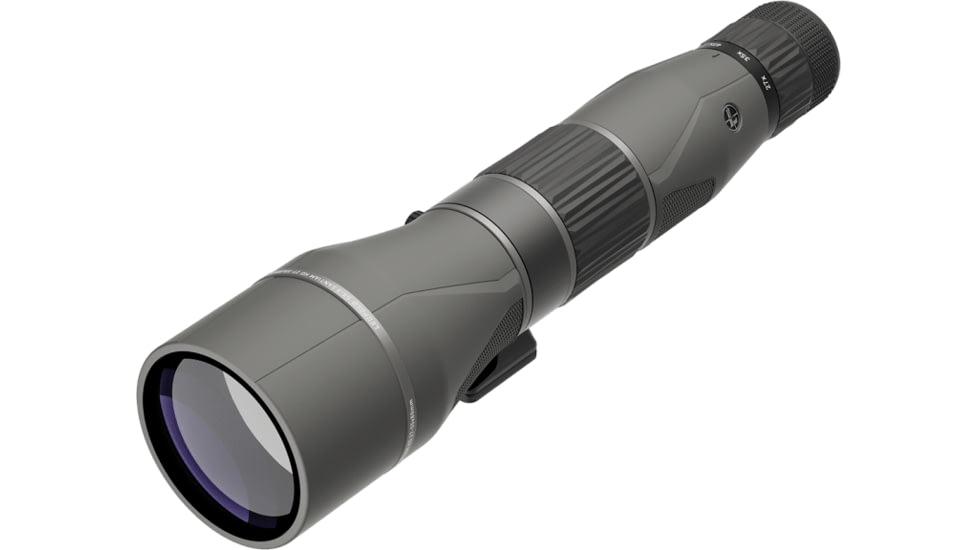 While it’s obvious that you’ll need a reliable rifle scope for long-range shooting, some newbies to this style often think this is the only optic they’ll need. And while it’s true that you can practice shooting at long distances with only a rifle scope, this practice is both wasteful and tedious unless you’re a true shooting prodigy. This is purely a practical concern, as one of the hardest aspects of practicing long-range shooting is identifying where your shots landed. If you only use a rifle scope, it might not have enough magnification to show a small bullet hole in a target. Thus, you’ll end up having to walk hundreds of yards after every shot to inspect your target in person. Instead, you can bypass this completely with a high-power spotting scope or pair of binoculars. These accessories generally have much higher static magnification, allowing you to identify smaller details at great distances. If you don't feel like squinting and using glass to record your shots downrange, you can also invest in a target camera! These devices are portable cameras that you set up by your target, allowing you to connect to an app or receiver screen to view the feed. This gives you a close view of your target on the range, but isn't as useful when you're actually out in the woods.
While both spotting scopes and binoculars are useful, and most experienced long-range shooters will use both, if you can only pick a single option, choose a spotting scope. This is because spotting scopes generally have even higher magnification than binoculars, so you can get even more accurate views of your target. Additionally, if you are with someone else, they can easily use the spotting scope at the same time you’re shooting to give you instant feedback, much like a military spotter works with a sniper. When it comes to choosing a spotting scope though, there are thousands of options, with the right one depending on your needs. Thankfully, we have several Spotting Scope Guides to help you narrow these options down. Specifically, one of the biggest differences is between straight and angled spotting scopes, with each style offering particular benefits. For long-range shooting from the prone position, a straight spotting scope is usually better because it allows for more comfortable viewing over long periods. However, your situation might be different, so we recommend reading our Straight vs. Angled Spotting Scopes guide.
Bipod/Tripod
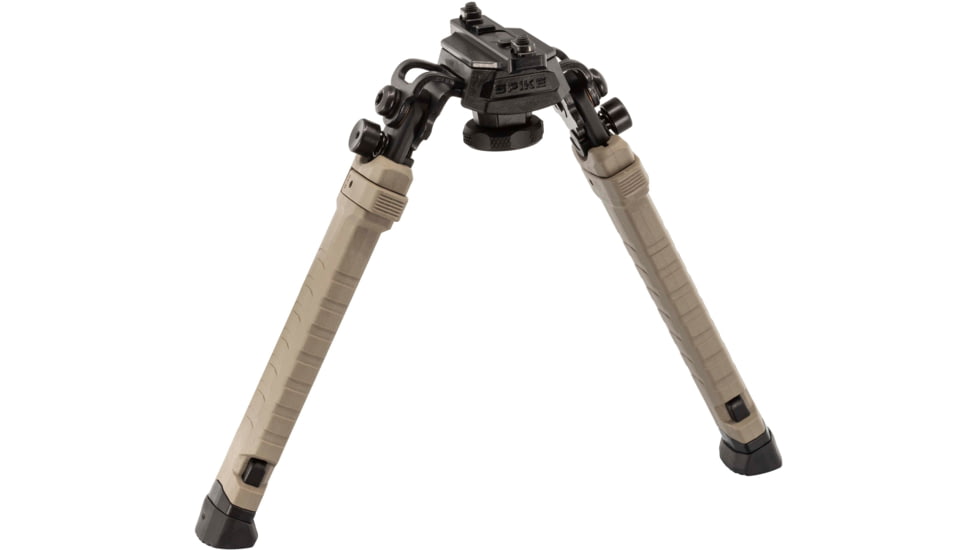 When it comes to long-range shooting, the stability of your rifle is paramount, as any slight movements can drastically throw off your aim when you’re hundreds of yards from the target. To help reduce sway, most long-range shooting is done from either a prone or sitting position, as this allows the shooter to brace their rifle against the ground, a window sill, or something else. You can further improve stability in these positions by investing in a high-quality bipod for your rifle. A solid bipod lets you ground the rifle properly, extend the legs to an appropriate height, and tilt the rifle precisely to where you need it, giving you unmatched stability. Our collection of Magpul Industries Bipods are some of the highest-rated ones we offer, and they have several different styles depending on your needs, including quick-detach bipods, also known as QD bipods.
After sorting out your bipod, you should also look at getting a tripod for your spotting scope or binoculars. These function the same way as bipods, but have three legs instead of two, which offers even more stability to your optics. This is crucial because finding your target with extreme magnification can take some time, and even slight disturbances to the position of your spotting scope can require you to reset your spot. A tripod locks your optic in place to prevent it from moving, ensuring you or your spotter has perfect stability when viewing the target. We even have tripods that allow you to attach everything from spotting scopes and binoculars to digital cameras, offering plenty of versatility while you’re shooting.
Chronograph
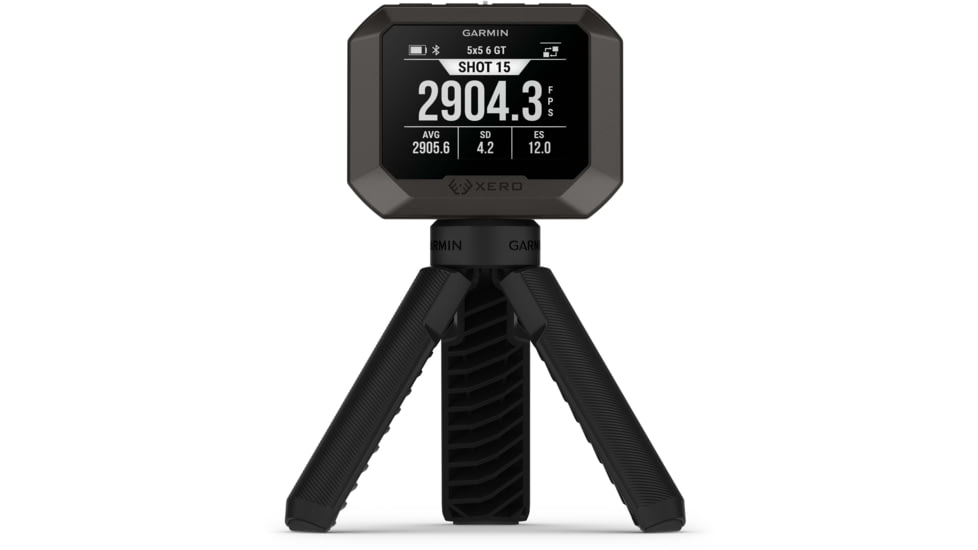 A chronograph is a device that measures the velocity of an object, and in this context, that object is the bullet. They accomplish this in several ways, with the two most popular options being optical chronographs and doppler radar chronographs. Optical chronographs utilize two or more optical sensors that detect when the bullet passes by, allowing it to calculate the velocity of the bullet between the two sensors. A doppler radar chronograph, like the Garmin Xero or the Athlon Rangecraft, tracks the bullet by sending out high frequency radio waves. This is generally considered the most accurate style of chronograph, as it tracks the bullet for a much longer period, allowing you to get more accurate data.
Now that you know the different types of chronographs and a basic view of how they work, you might be wondering how this is beneficial for long-range shooting. And the answer to that is simple: the more data you have, the more accurate you are. This is because one way to improve your performance in long-range shooting is by reloading your own ammo. This allows you to fully customize your bullet weight and powder amount, affecting the bullet’s performance. And the best way to tell how each round you loaded is performing is by tracking all of the data with a chronograph! This lets you filter out rounds that aren’t performing how you need them to, increasing your iteration speed. Additionally, even if you’re using factory loads, a chronograph can give you real-life performance data about how they perform, so you can choose which round is best for your needs.
Shoot for the Stars & Save Big at OpticsPlanet!
No matter what kind of gear you need to get started on your long-range shooting journey, we have everything you need right here at OpticsPlanet. From a massive selection of gun parts to help you tune your firearms to detailed How-To Guides that give you tips and tricks like How to Build a PRS Rifle, our team has tons of gear and info for you to peruse. Plus, we run tons of Deals constantly to help you save big on all your purchases!


