 Your Browser is Outdated


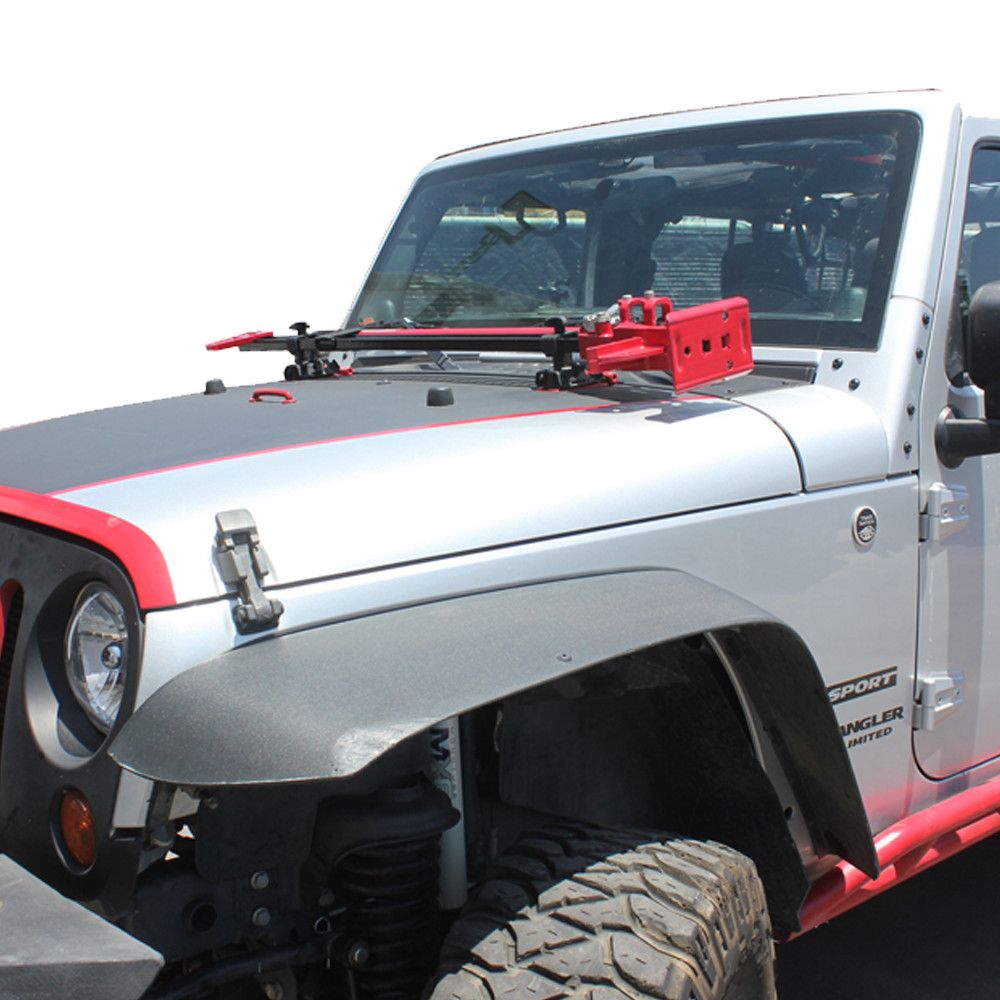

Wondering what overland essentials you need to make sure you have on your overland packing list? If you're tired of interstate traffic and ready to ditch the crowded RV parks, then you might be ready for an overland adventure. And we want you to make the most of it. In this article, we'll cover the basic overland checklist to help you get started on your overland adventure. With this foundation, you'll learn how to form a packing list that’s tailored to meet your needs and preferences.
For starters, let's define "overland" (aka "overlanding") as best we can in this context. There are a lot of perspectives on this and even more opinions on what constitutes "real" overland camping. Some are very open-minded, and some are die-hard hardliners. Without getting into specifics, most can agree it boils down to these four basics of modern-day overlanding:
- Vehicle-based travel off of paved roads
- Trips spanning multiple days
- Self-reliant, "off the grid" experiences
- Remote locations in a variety of terrains
Humanity has been going overland for millennia; it's how we've migrated all over the globe. It's in our nature to be curious about what's over the horizon and to visit places that few others have ever been. This enterprising trait still exists within us, but these days, instead of hoofing it hundreds of miles, most prefer to travel by way of vehicles. But flying over the landscape in an airplane, or cutting through it as fast as possible from point A to B on the interstate lacks that visceral connection so many of us crave.
Principles of Packing Overland Essentials
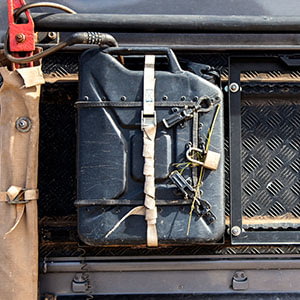
The basic principles of packing essential overland gear start with the simplest five requirements for human survival:
- Water
- Shelter
- Food
- Warmth
- Sleep
Although these are good things to keep in the back of your mind for any outdoor activity, overland camping is not supposed to be a grueling and perilous battle for survival in the wilderness. It's a way to unplug, remove yourself from the hustle and bustle of modern civilization, and get in touch with the great outdoors. That's why it's less daunting and panic-driven to frame your overland packing list from the "10 Essentials of Outdoor Activity":
- Navigation
- Illumination
- Protection
- First Aid
- Knife/Tools
- Fire
- Shelter
- Food
- Water
- Clothing
Since you’re traveling by vehicle, there are some automotive accessories involved when you’re checking off your overland essentials list:
- A well-maintained, suitable vehicle for the terrain
- Extra fuel
- All fluids topped off
- All tires (including spare) suitable for off-road travel, air pressure checked, and in good condition
- It's a good idea to have your vehicle serviced and inspected by a professional before venturing out (tell them you're going overland; it’ll help them know what to look for)
- A repair kit and tools for minor issues (hose clamps, duct tape, etc.)
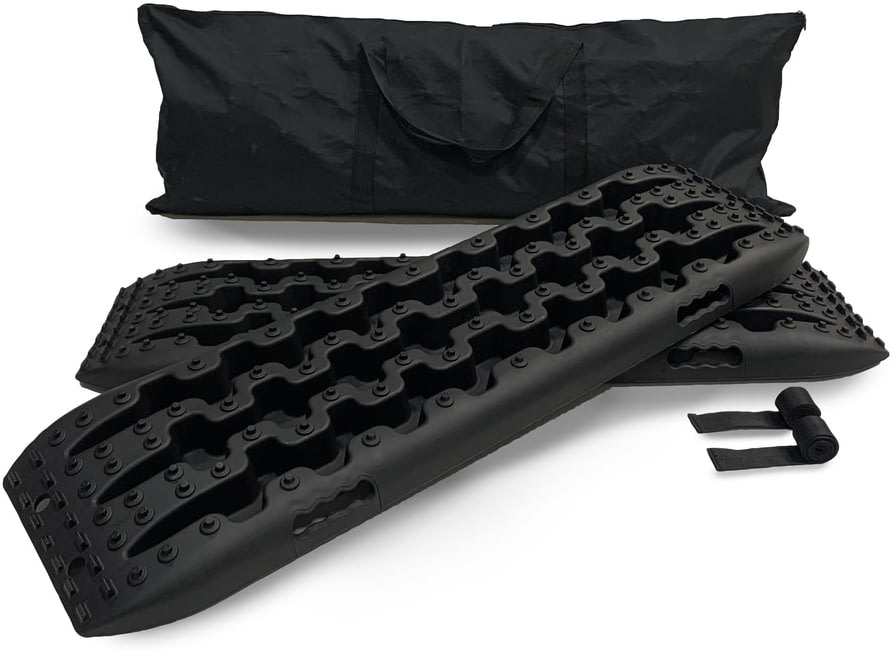
- Proper tools to get your vehicle unstuck from loose ground, mud, high-centering, etc.
- Extra fluids that may need topping off like oil and coolant
Remember that you’re not going to be near mechanics or gas stations, so plan accordingly for self-reliance and self-rescue. Overland Vehicle Systems is an example of a brand that develops specialized overlanding gear and accessories. Check them out to tune the finer points of your overland kit and vehicle.
Suggested Overland Trip Packing List
These are some categories that will make up your overland essentials. Some of these items will be mutually shared, like equipment specific to the vehicle. You'll want to customize the rest to your individual needs, as will everyone you're traveling with. If you have kids coming along, it's up to you to ensure that they also have appropriate kits for the trip.
We've based this overlanding equipment list on the "10 Essentials" above, plus a few more overland-specific things:
Navigation
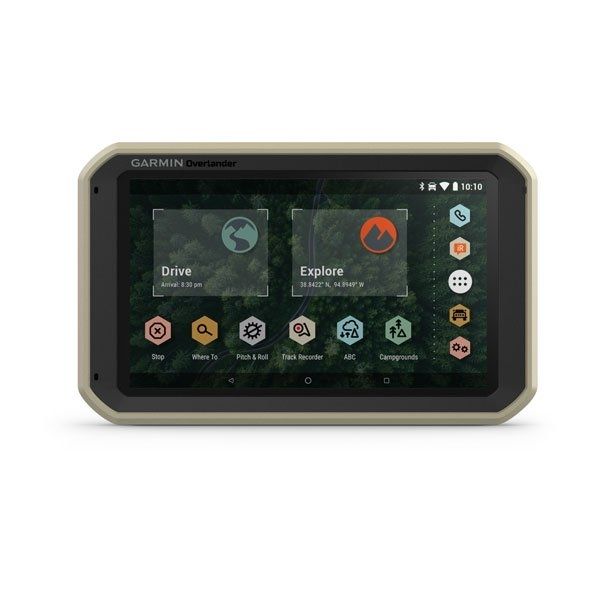
Plan ahead! Map out your trip before you start, and leave a copy with someone back home who will know when to expect you back (and stick to your pre-planned route!) If you fail to return or contact them in a specified timeframe, they'll know where to start looking for you in case of an emergency. A safety contact is definitely one of the essentials for overlanding.
A GPS is ideal, as it's unlikely that your cellphone is going to have consistent reception. There are phone apps that will let you download your route, but these often don't include primitive roads and Jeep trails.
Don’t neglect a map and compass, though. If anything happens to your electronic devices, like drained batteries, they can be a lifesaver. These days, if you can't find a paper map for your trip, you can map it online and print out a few copies. Keep in mind that a lot of backcountry roads aren't kept up-to-date on paper maps, so find a bird's-eye view of the area online.
Illumination
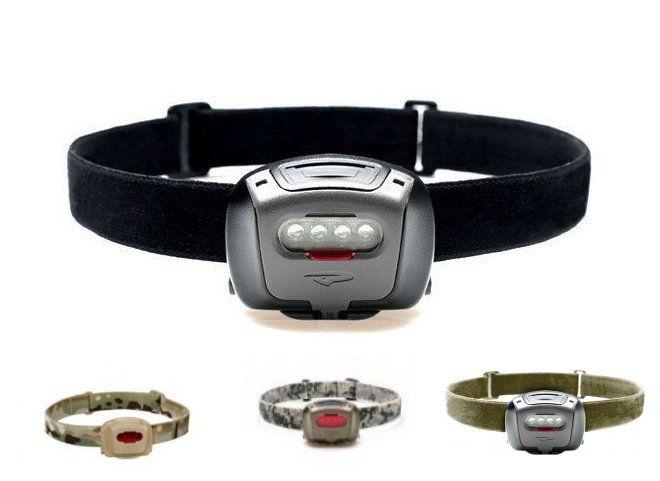
Make sure everyone has their own headlamp. They're great for keeping your hands free for other tasks. Keep at least one basic flashlight in the vehicle for backup if all else fails. And have at least one lantern for camp. Bring plenty of replacement batteries and lantern fuel if yours requires it.
Protection
From what? Well, the sun, for one thing. Even winter camping requires sun protection. Bring along plenty of sunscreens, consider clothing with UV protection, and don't forget your sunglasses! If you're not quite sure that your current sunglasses are up to the job, check out our article on How to Choose and Buy Sunglasses.
In warmer months, bring insect repellent for your skin and clothes. Bug bites aren't just annoying; they're also vectors for infections and serious diseases like Lyme disease, Rocky Mountain spotted fever, West Nile virus, malaria, and more.
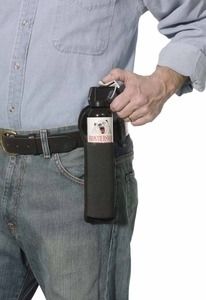
Some of us never venture outdoors or even out of the house without a gun for personal protection. Some people feel a little more comfortable with self-defense spray, and quality bear spray is a must if you're going out into bear country, even if you have a gun. It's also handy to have in the case of human predators.
First Aid
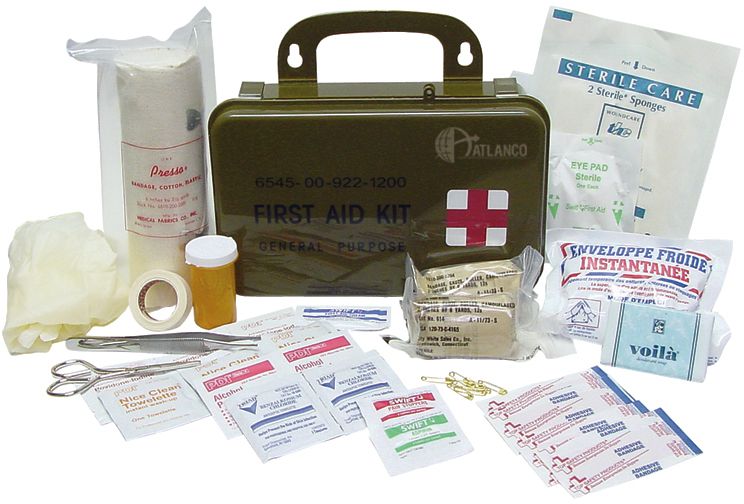
Most folks do fine with a basic first aid kit that has enough supplies for the size of their group. If you already have a kit and it just needs replenishing or additional pieces, scroll through our full first aid section. Not sure what you need or where to start? Read How To Put Together a First Aid and Survival Kit for some helpful pointers.
Your first aid kit should contain any medications that you take, including over-the-counter stuff like pain reliever, allergy medicine, etc. Medications seem to get overlooked more often than phone chargers, forcing you to turn back home no later than the next morning. Bring enough for every day of your trip plus an extra three days in case of an emergency. Leave the rest of any prescriptions at home in case your travel supply gets lost or damaged.
Knife/Tools
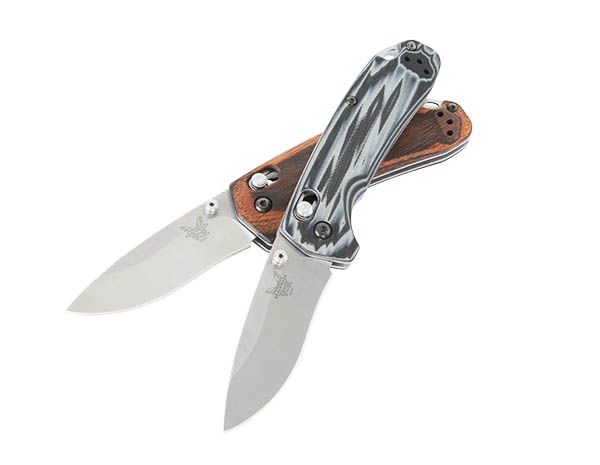
A trusty knife is great to have anywhere, but it's a must outdoors. It's unlikely that you'll need to be carrying around a machete; an appropriate pocket knife will do just fine.
Since you're going overland, you never know if trees have fallen across the road. Keeping an axe and/or saw in the vehicle will help you clear the trail quickly and efficiently.
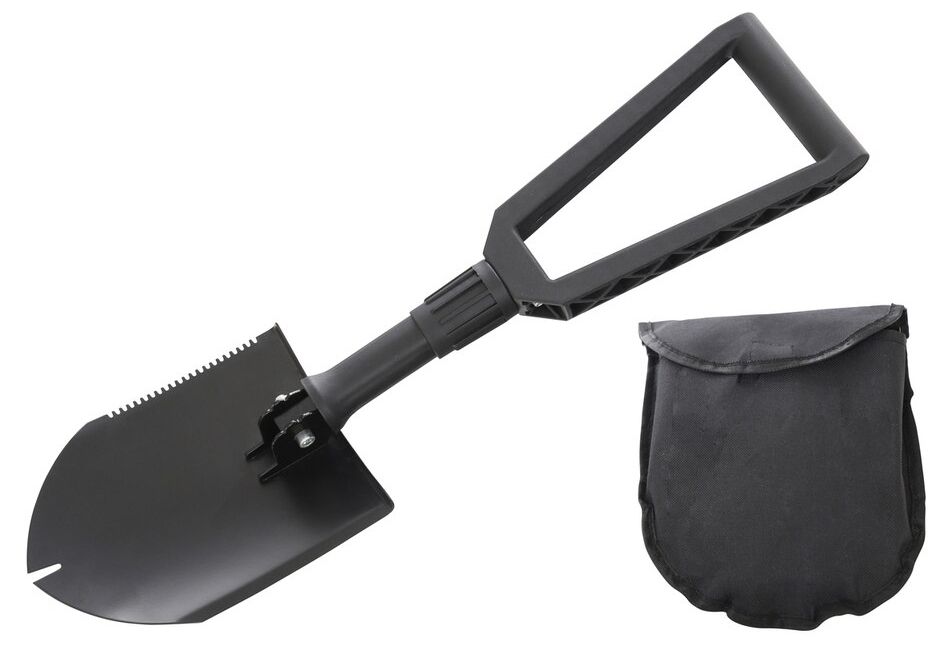
Digging out is also a reality of overlanding, so be sure that you've got a shovel or two that are up to the job.
Fire
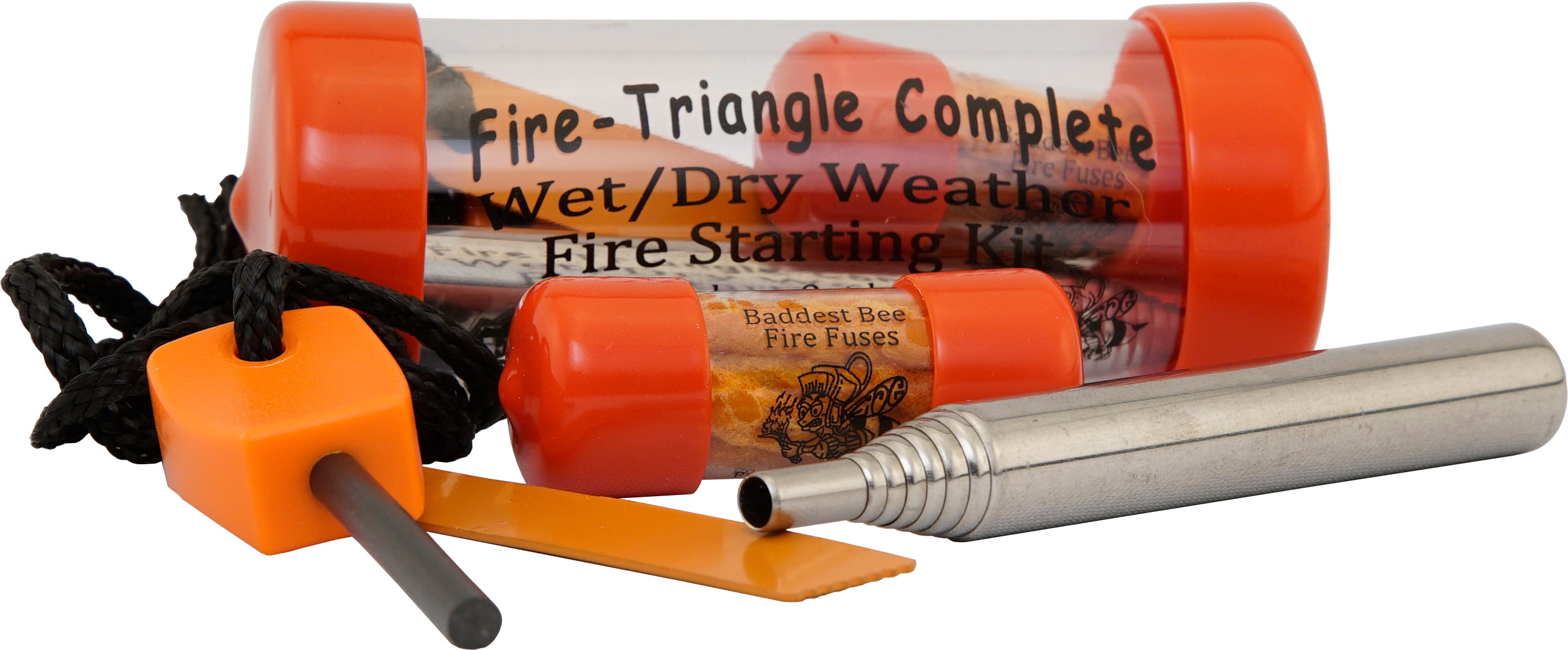
There's nothing like sitting around the campfire after a long day outdoors. Aside from the obvious survival and cooking benefits, it's an ancient human tradition. It builds communal bonds that last long after the trip's over. It's a good idea to have a variety of fire starters on hand so that you're not relying on just one ignition source. Plus, it's fun to try new fire-starting methods and test your skills.
Shelter
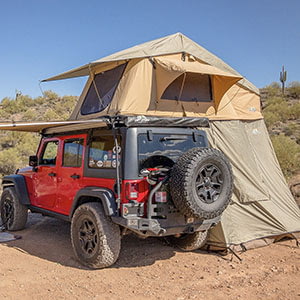
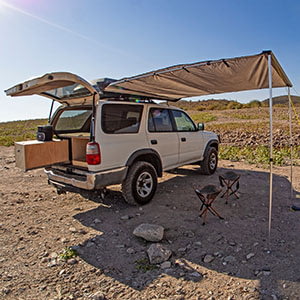
One of the most important overland camping essentials is shelter. Some overlanders opt for a traditional camping tent and are perfectly content with the setup. There is certainly a wide variety to choose from depending on the size of your party. But these day's innovations have brought us some pretty cool setups, like truck bed tents. With or without a truck, rooftop tents are gaining popularity, allow for quick setup without having to clear the ground, and are comfortable.
A key component of shelter is your sleeping bag. Even hot environments get cold at night, and a sleeping bag can make or break a good night's sleep, so its best to start out with a quality one. If you've got any questions about them, read How to Choose a Sleeping Bag.
Food
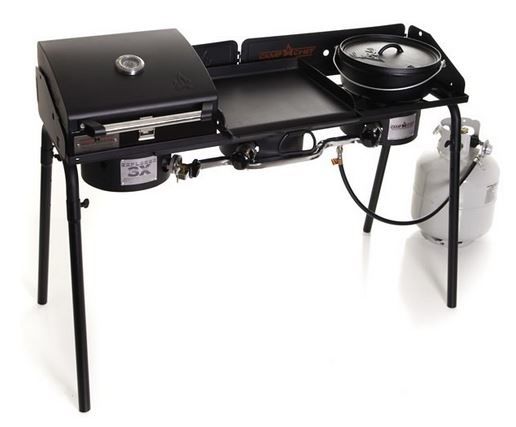
One of the benefits of going overland as opposed to hiking is the food. Sure, backpacking food is quick and easy, and you can certainly bring it along on an overland adventure. But with the extra room and weight a vehicle affords, you can bring along bigger camping stoves and make trailside gourmet meals for breakfast, lunch, and dinner.
Water
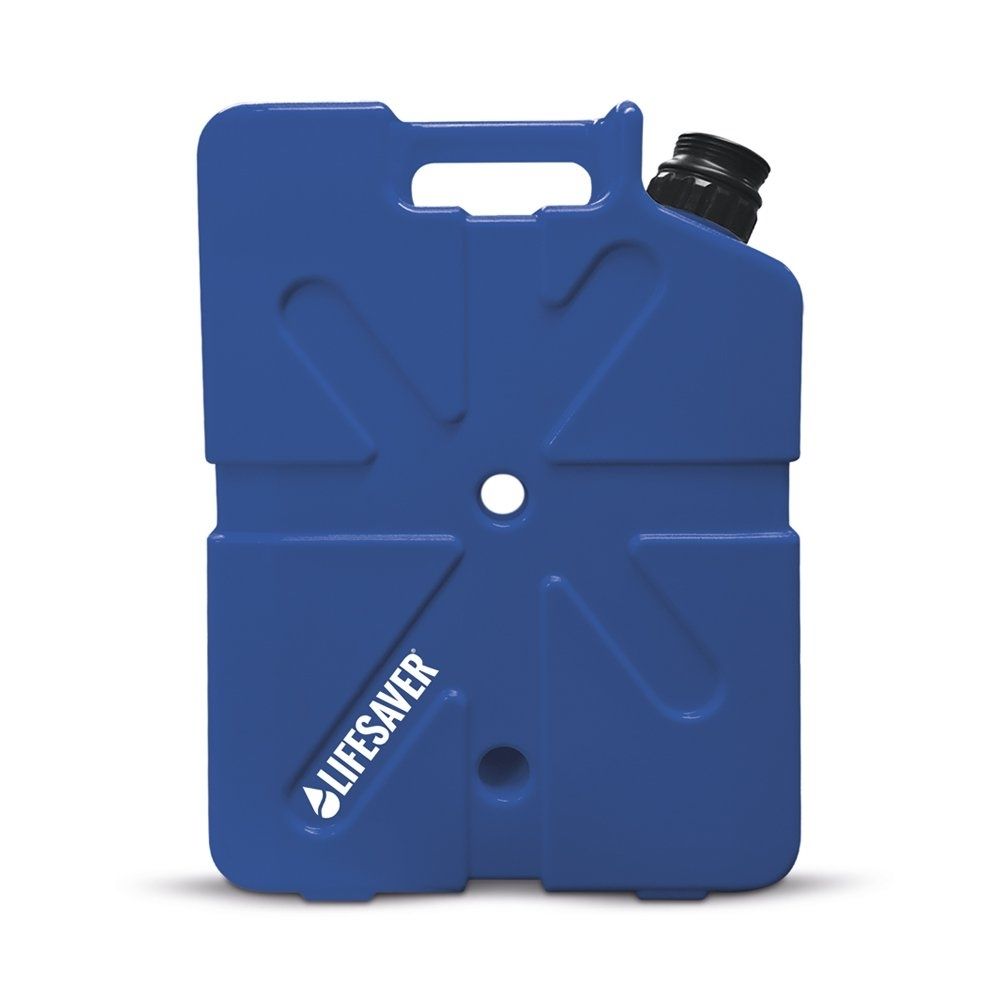
The minimum recommended drinking water to have on hand is one gallon per person, per day, plus one extra day's water. That doesn't count water for washing, which could easily mean 2-3 gallons of water per person per day. Water takes up a lot of space, about one cubic foot for every 7.5 gallons. Even if you've packed a lot of water, bringing along a water purifier or filtration system will ensure that you can conserve or replenish your reservoir.
Clothing
Make sure you only bring appropriate overland expedition clothing that's suitable for outdoor activity. Yes, you'll be sitting in a vehicle as you travel, but part of the adventure is getting out and exploring on foot. Also, your traveling companions might be annoyed if you have to change your outfit every time the activity changes.
A good system is the "3 W's of Layering Clothing." It's simple: start with a moisture-wicking base layer, add a warmth layer like fleece or wool, and top it off with a wind and rain-resistant layer. As conditions change, you can add or remove layers to change with them. Bring along a spare set of clothing that you can wear if your main set needs to dry after laundering or getting wet.
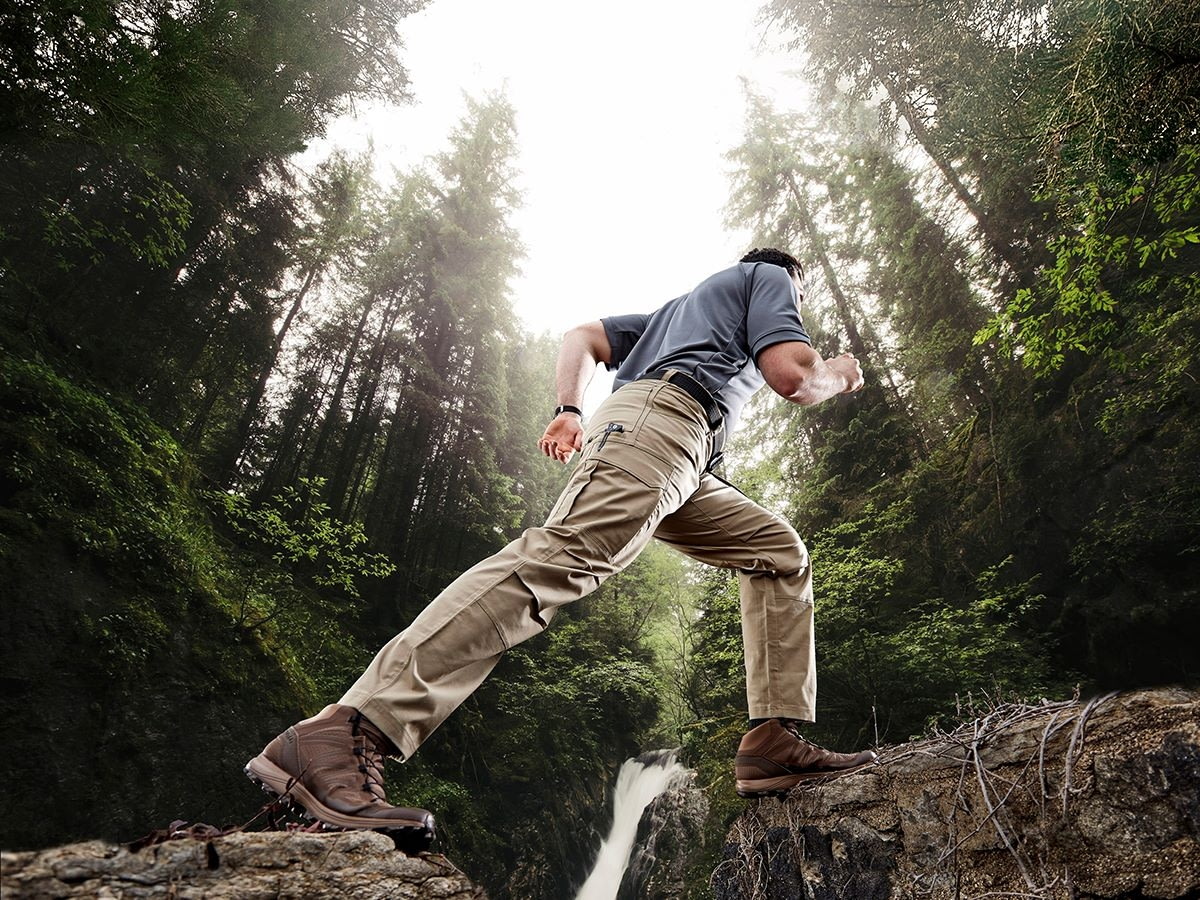
This is a great opportunity to test out those cool tactical pants and see if they can really take the beating that they claim. Plus, they are handy with all of the extra purpose-built pockets and extras.
A good set of gloves are perfect and can be kept right in the glovebox, almost like that's why it's called a glovebox. Bad dad jokes aside, gloves will save you from splinters and blisters if the going gets tough and it's time to roll up your sleeves and get to work.
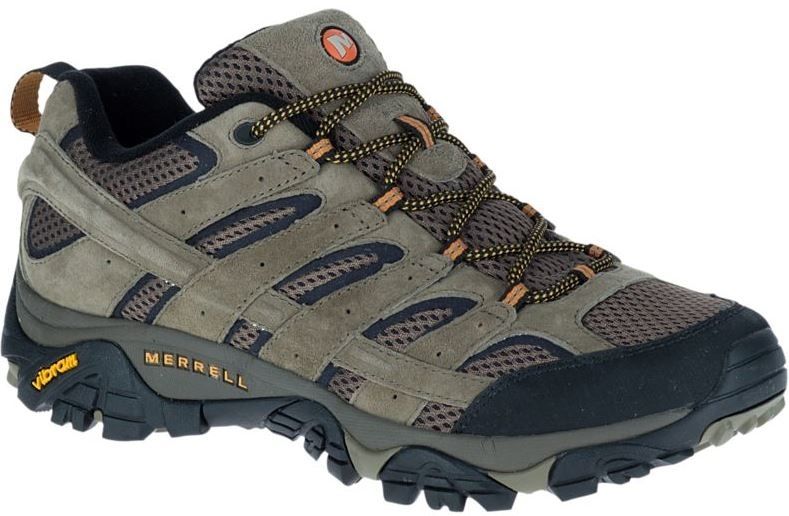
Don't forget the footwear! Appropriate footwear is a must on all outdoor excursions. Flip-flops are great for bumming around camp, but they don't stand up to hiking or cold evenings. Bring along a pair of sturdy shoes or boots that you've already broken in to avoid blisters.
Communication
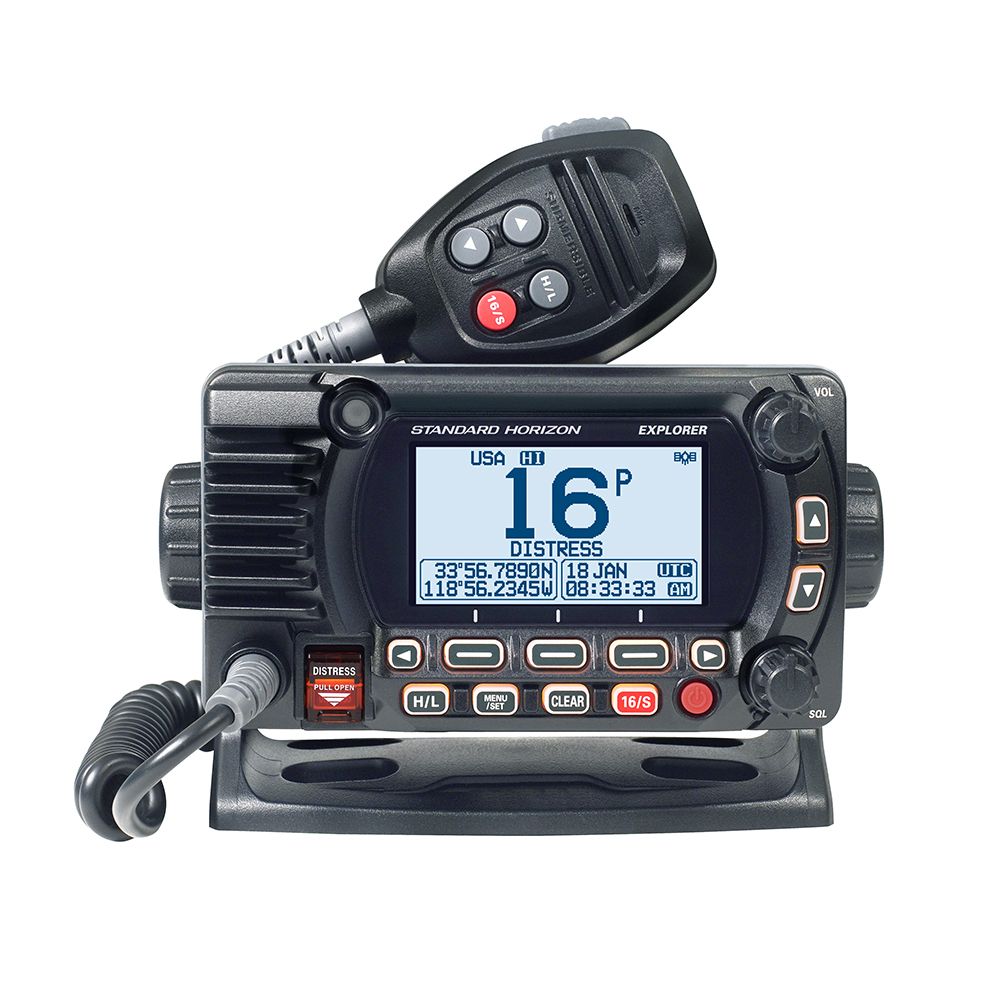
Again, don't count on your cellphone coverage, no matter how much your provider promises. Low valleys and heavy timber can kill a signal even if there happens to be a tower nearby. There are plenty of radio and satellite communication devices available today. If you're overlanding in a convoy of multiple vehicles, a set of walkie-talkies can be invaluable for relaying the road conditions ahead or reporting a breakdown from behind.
Charging & Portable Power
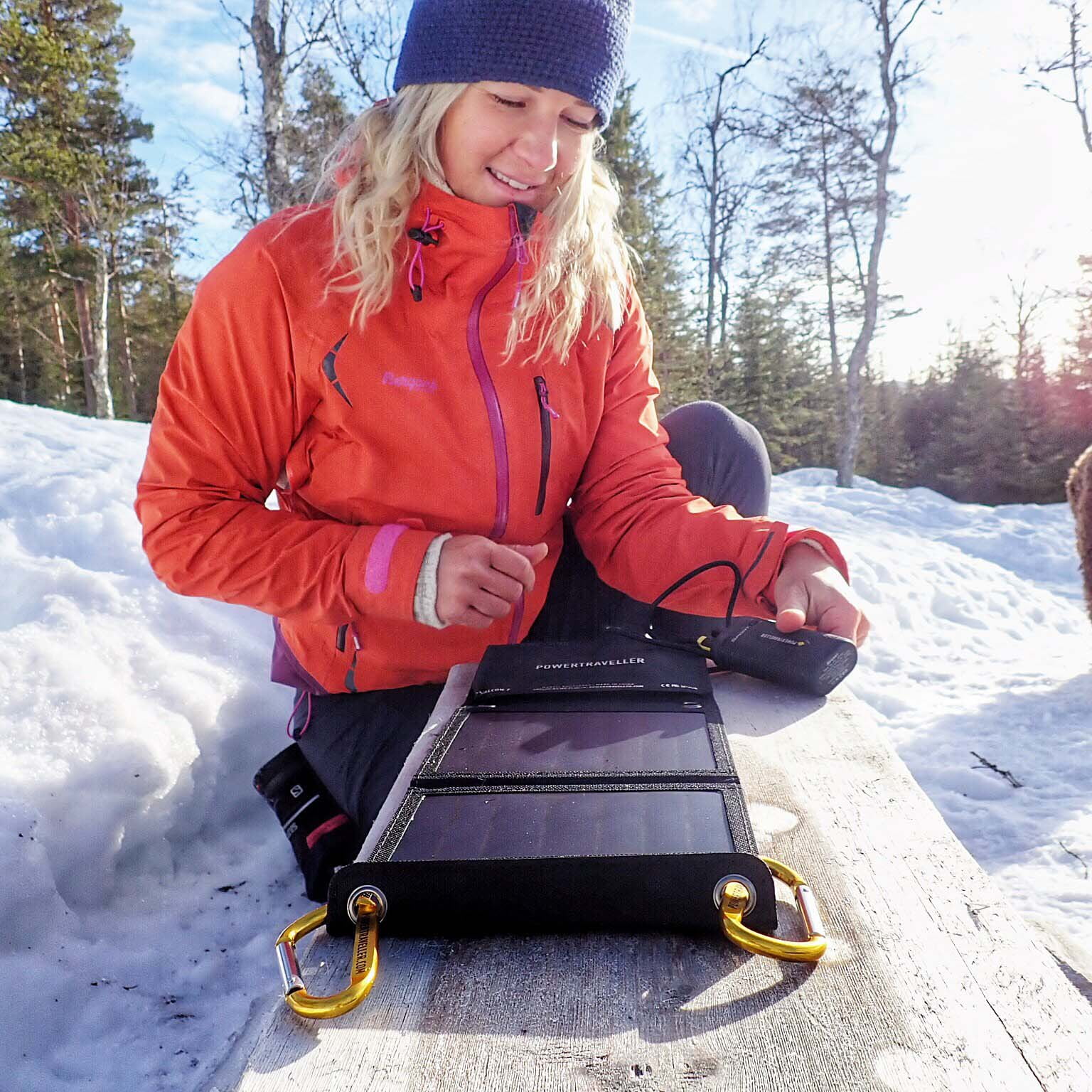
Let's face it, for all of our pioneering spirits and back-to-the-land ethos, we still rely on electronics all the time. Solar chargers are pretty common anywhere in the backcountry these days. They're a nice alternative to lugging around and disposing of one-use batteries, and they'll power up pretty much any USB device. Some of the bigger ones, like generator units, even have 12V car and AC wall ports.
Hygiene & Camp Sanitation:
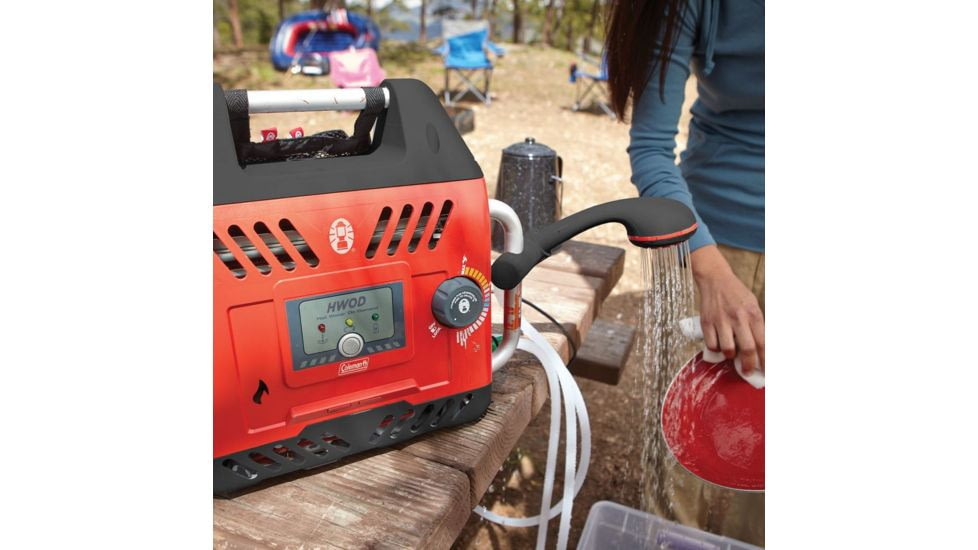
This one's really important. Unless you're going it alone, you're going to be in some close quarters with other people on an overland trip (quite possibly with someone you're really, really close with). Hygiene and camp sanitation is important, and a portable toilet is a convenience backpackers have to forgo and overlanders get to enjoy. You can even treat yourself to portable camp showers since there aren't enough air fresheners in the world to overcome the aroma of people who've been rambling around outdoors and cooped up in a vehicle for multiple days (the showers double-duty for dishwashing, too). Quick-dry towels are perfect for travel, especially overlanding.
"Pack it in, pack it out." Don't forget trash bags to pack out any and all garbage.* This is following Leave No Trace principles and ensures that everyone will get to enjoy the unspoiled wilderness we're so lucky to be able to access. This is another advantage of overland vs. hiking; you don't have to carry it out on your back. Set aside a space on the exterior of your vehicle, if at all possible, to avoid literally smelling hot garbage on your trip. Make sure you have tough garbage bags like those for yard work or trash compactors so they can withstand the rigors of travel. If you spot litter from a previous traveler, it's a quick and easy courtesy to pack it out, too.
*Please note, DO NOT burn your garbage due to exposure to toxic fumes and ash. This also leaves traces of heavy metals, pollutants, and toxic residues behind that don't biodegrade and can cause long-term damage to ecosystems. For these reasons, it's also prohibited and illegal nearly anywhere you might camp.
Just for Fun
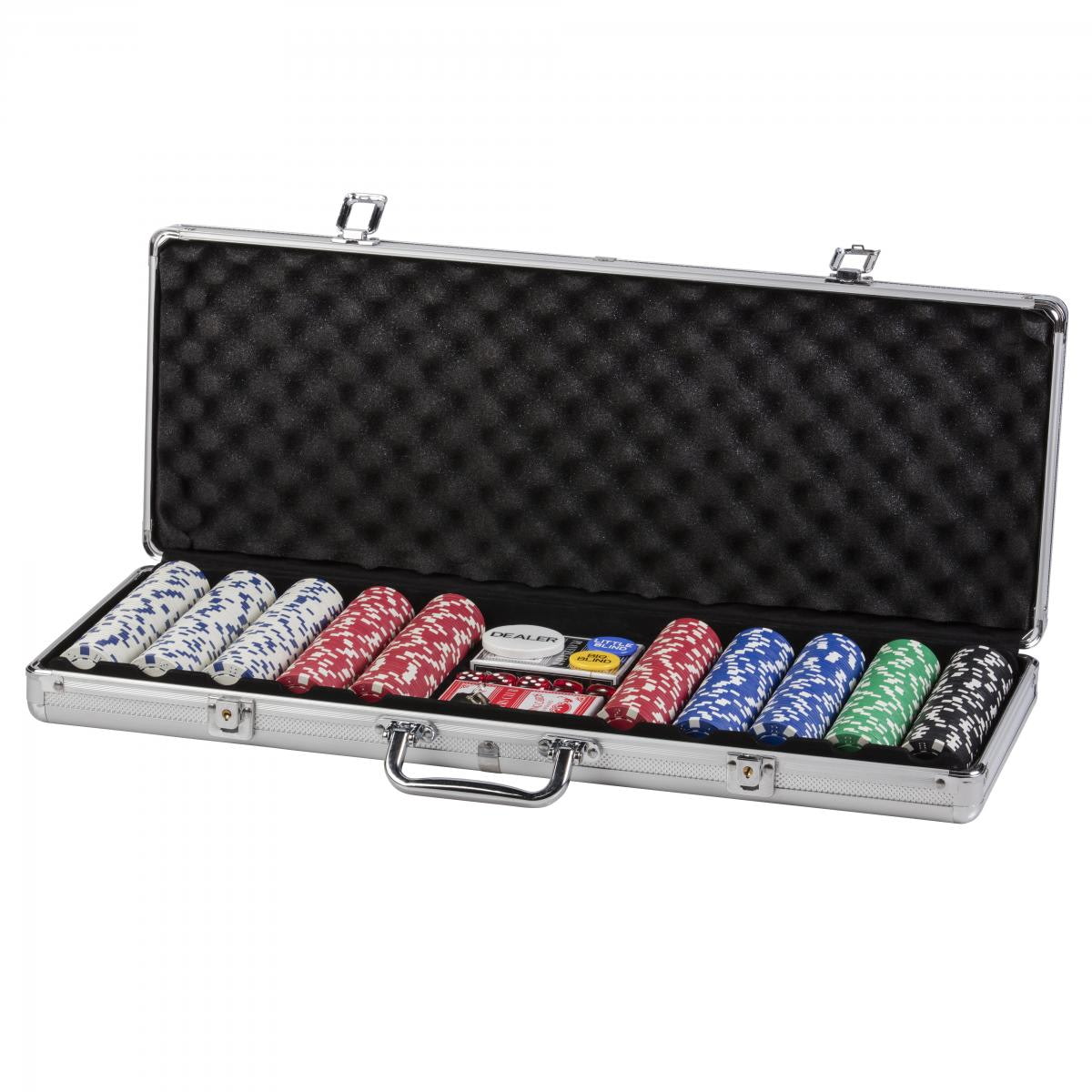
Bring along some games to play in camp, even if the kids stay home. It's fun to goof around a little and play cornhole, volleyball, lawn bowls, frisbee, hackysack, or just toss around a football. Some board games and cards can also help pass the time if nasty weather has you shelter-bound. Books are good for solo trips, but it's nice to interact if you're traveling with others.
Let's Hit the (Off)Road!
So we've covered the overland essentials to bring on an overland camping trip, so pack it up and go! Don't forget, you can and should modify these suggestions for your perfect personalized off-road kit. Once you've had your first, take note of what you wished you would have had and what you never used. On the next trip, you'll be a little wiser and pack more accordingly. It's safer to overpack than under-pack when you're just getting started since once you're out there you might be able to subtract but you can't just add. Hey, it's not like you've got to lug it around on your back all week!


